Borgehoved

Borgehoved
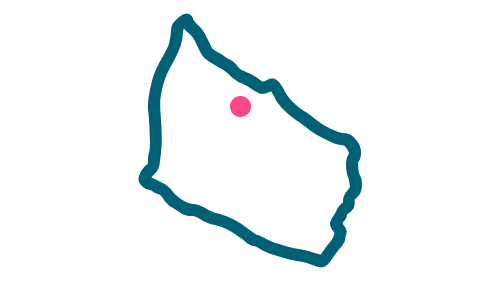
Borgehoved is located in Rø Plantation and is a local refuge fort. It has not yet been dated, and no archaeological excavations have ever been carried out, so much about it remains uncertain.
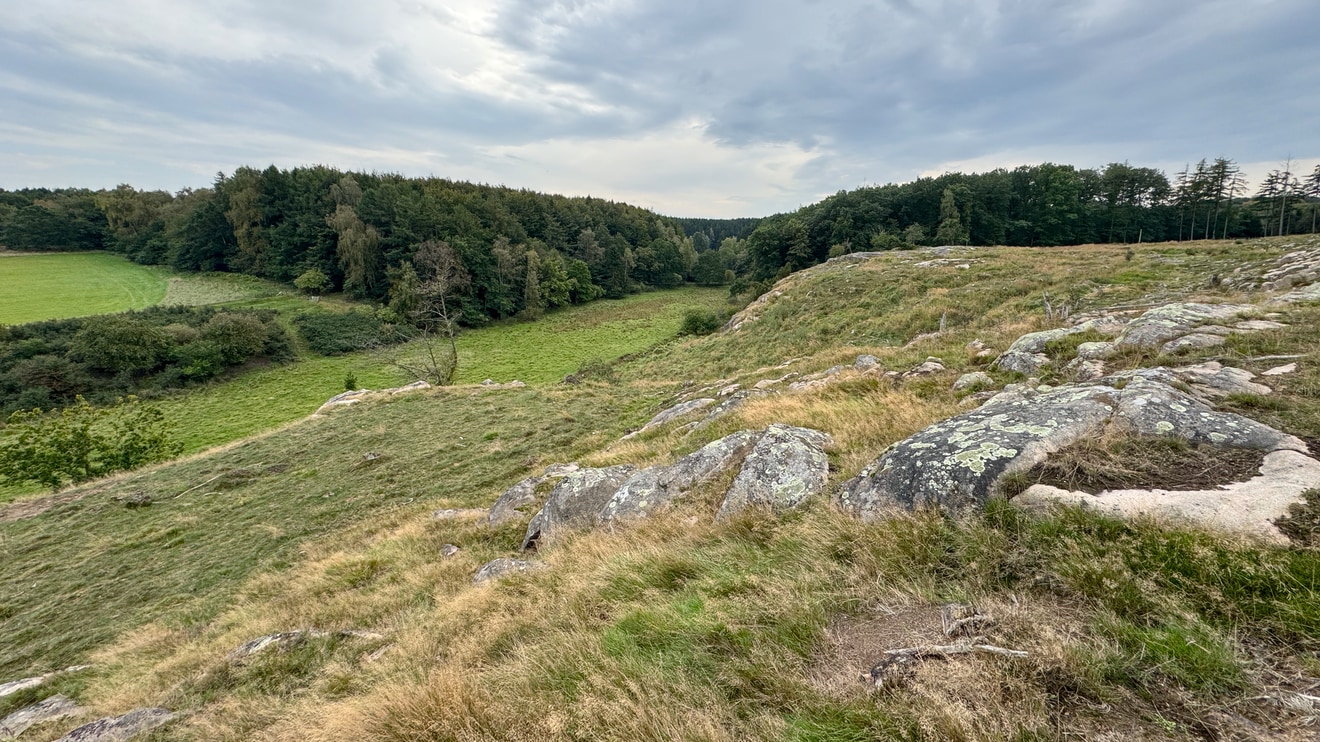
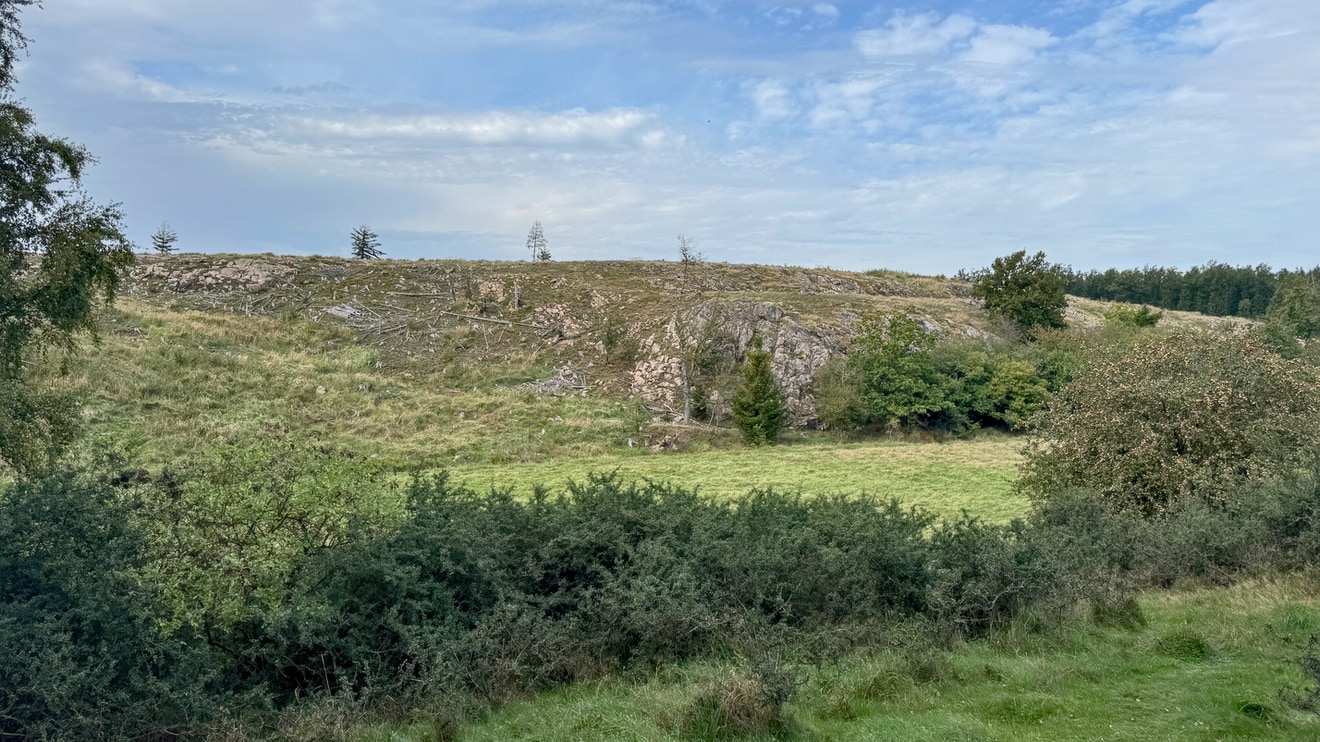
The fortress was built on a rocky hilltop, about 3 km from the coast, in an area that is difficult to access. Its elevated position and steep slopes provided natural protection.
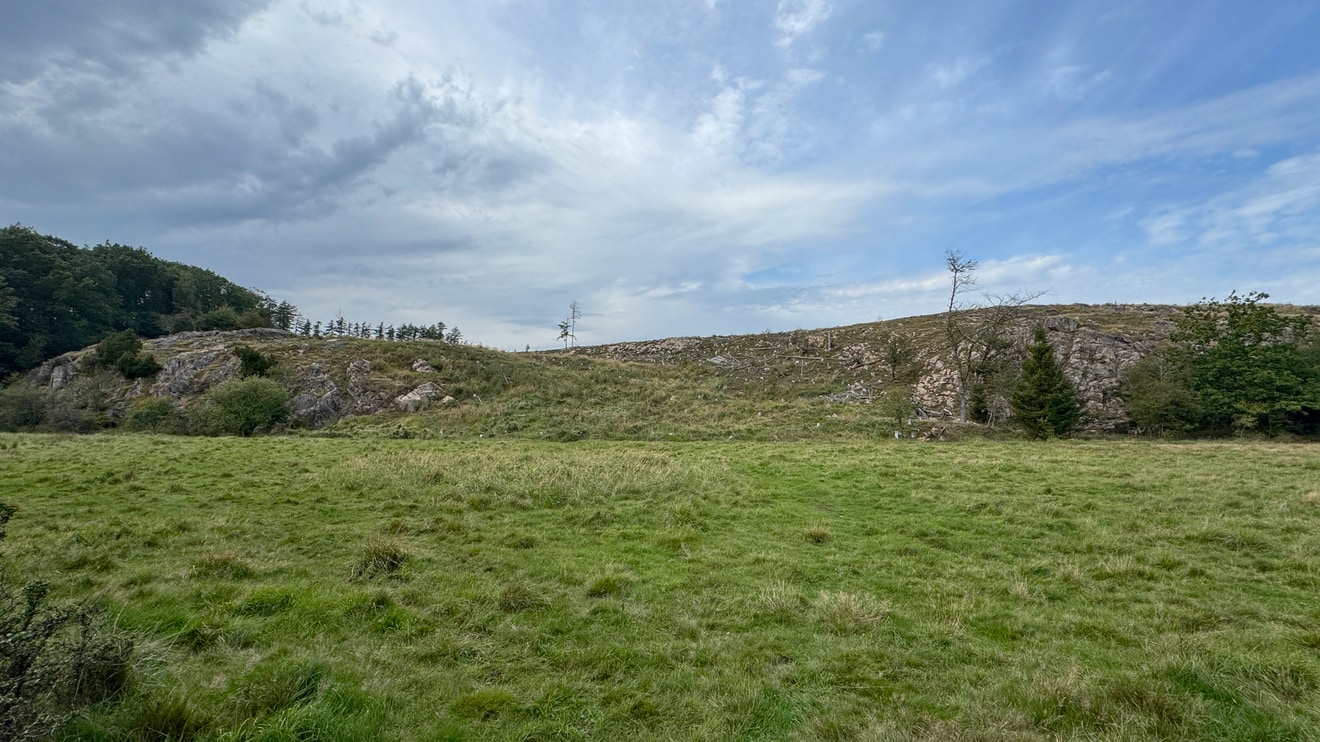
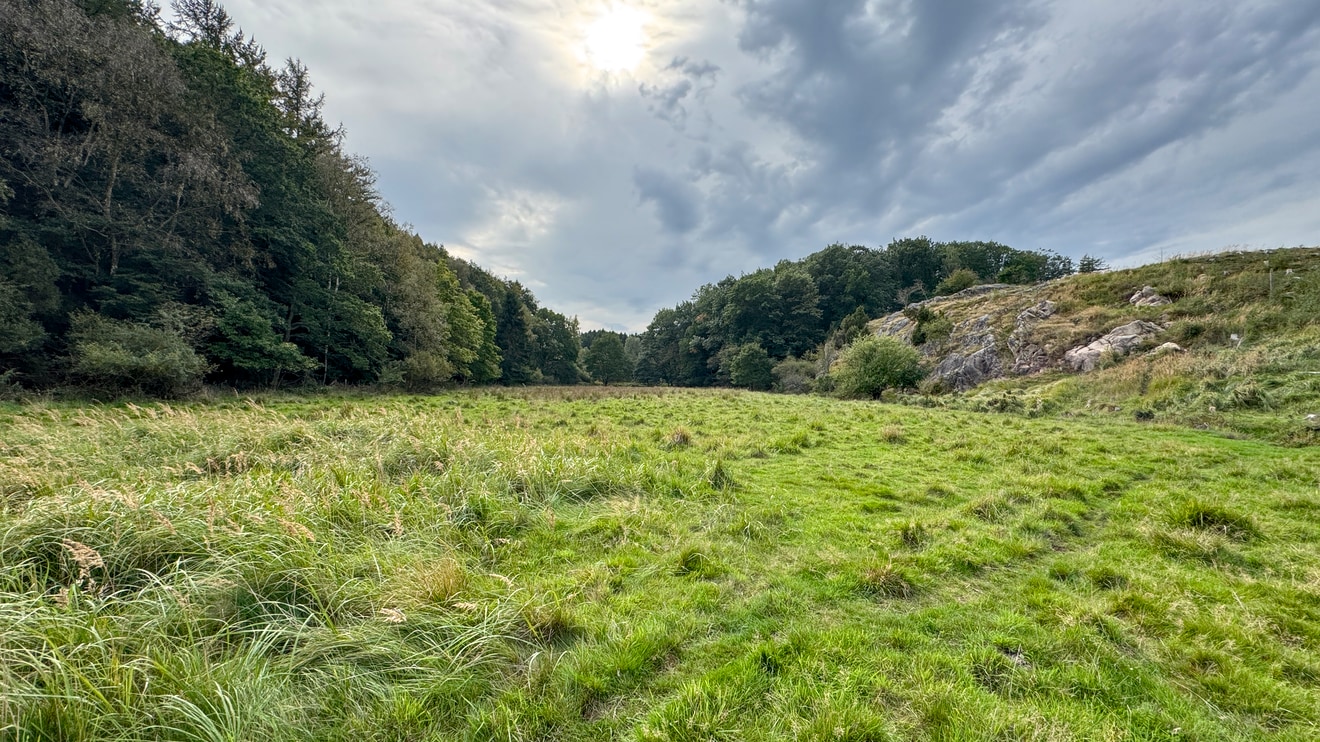
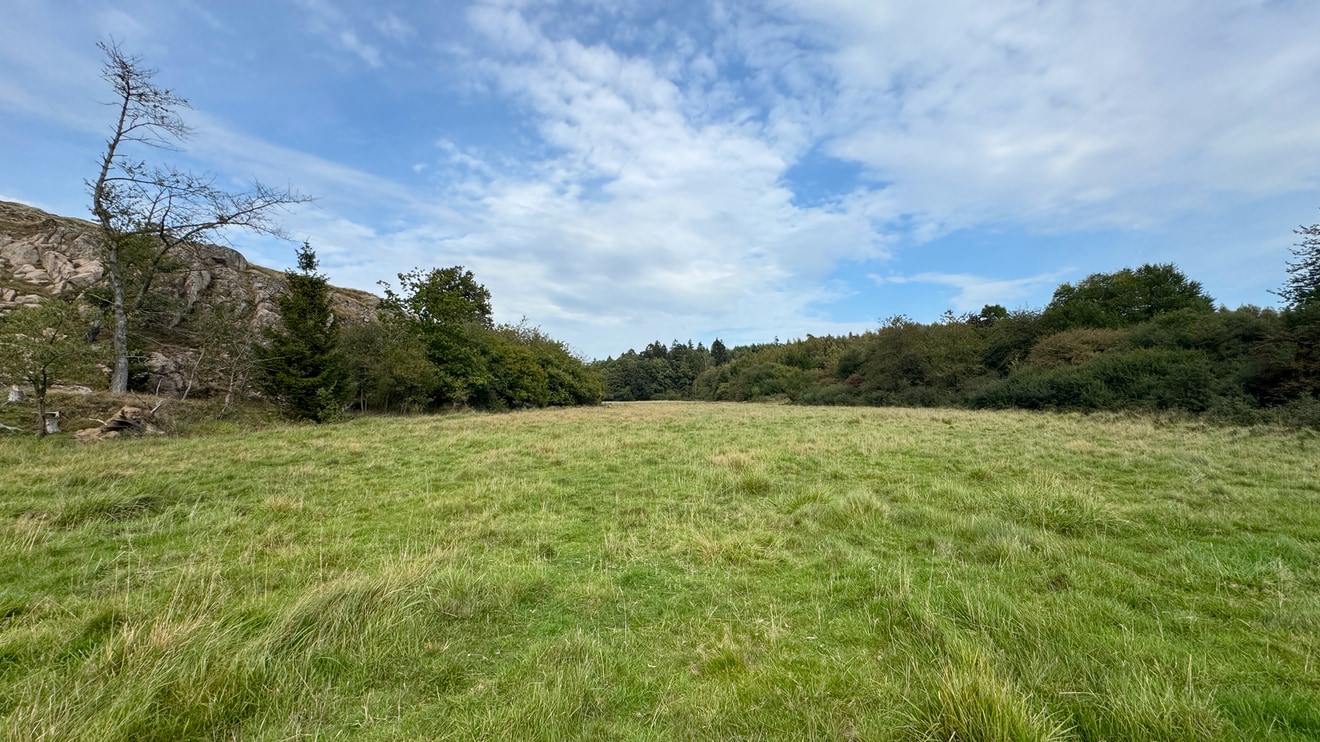
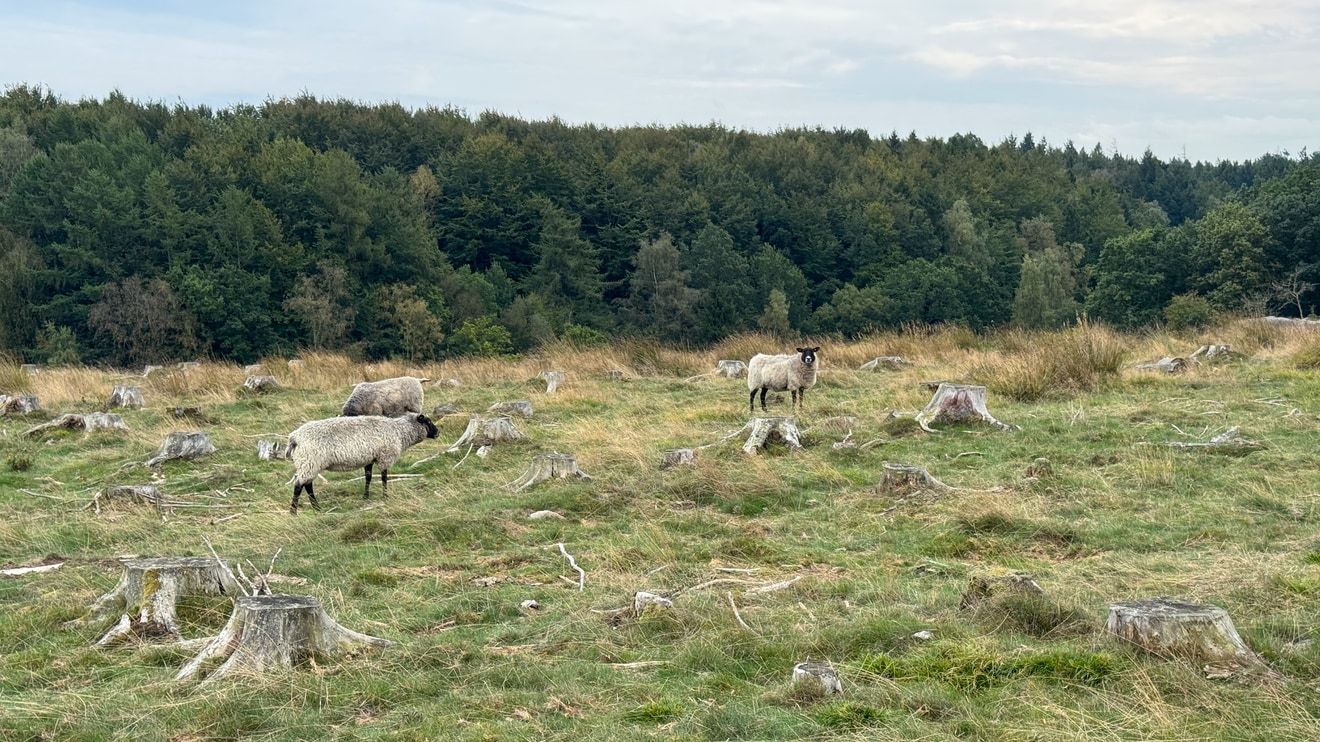
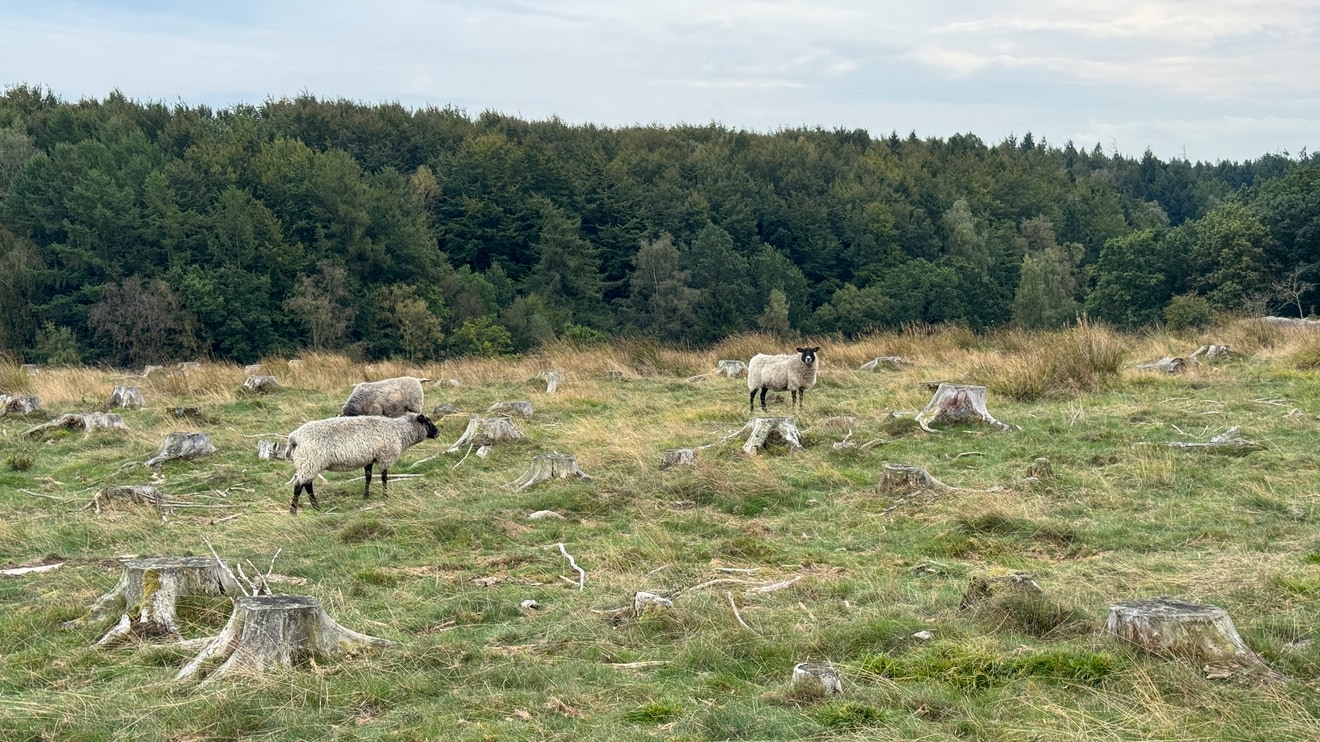
It can be difficult to immediately see any remains of the fortress itself, but the entire rock formation has been cleared of trees and vegetation, making it easy to sense the large area once occupied by the fortress. The total fortress area covers as much as 3.2 hectares.
There are two entrances to the fortress – one to the north and one to the south.
As evidence that the fortress was in use, several hollow ways leading up to the site can still be seen. There are also records of five standing stones from the Bronze or Iron Age that once stood just outside the fortress area. In 2012, metal detector surveys were conducted, though without significant results.
The fortress was protected as a heritage site in 1890, and the entire area is now owned by the Danish Nature Agency (Naturstyrelsen).
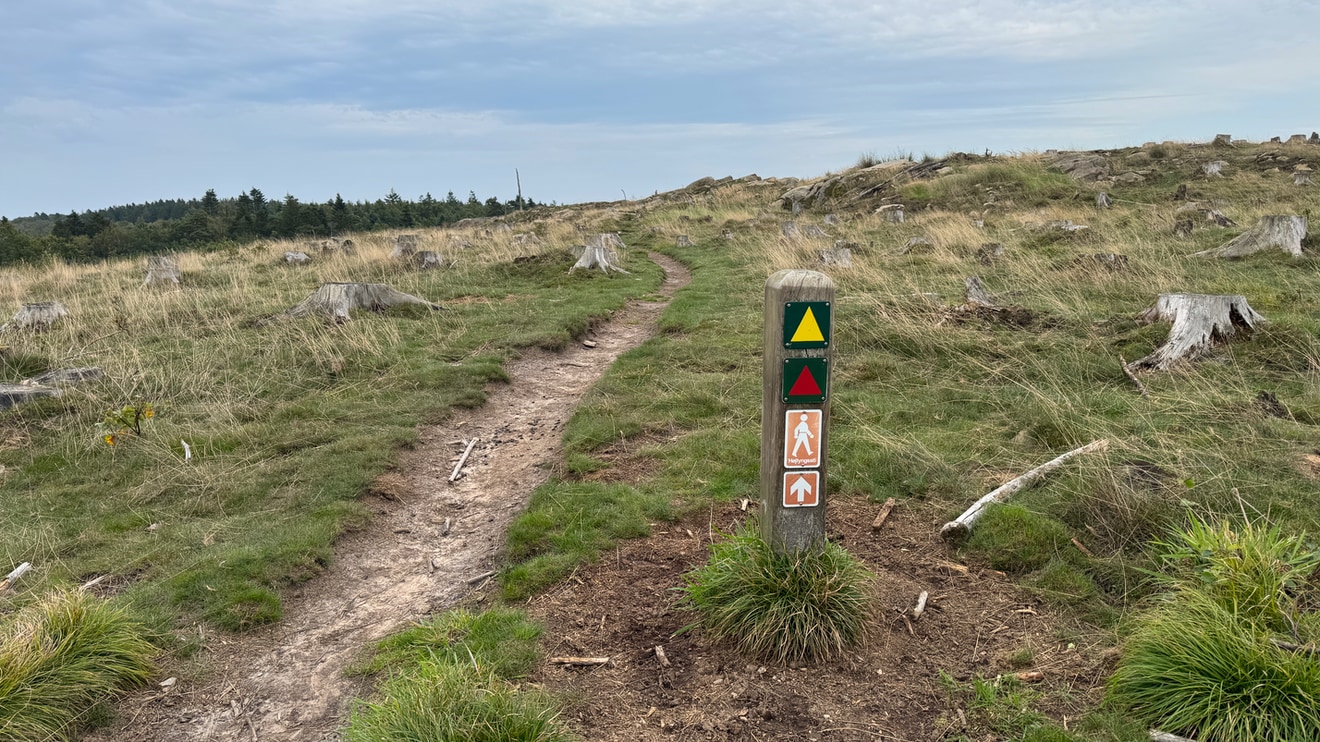
Borgehoved is well worth a visit – even though there are only a few visible traces left of the ancient fortress. The surrounding area is a beautiful and captivating landscape, and it is only a short walk to the idyllic Borgedal Lake. You can also follow the Danish Nature Agency’s signage for marked hiking trails in the area.
Borgehoved is located in Rø Plantation and is a local refuge fort. It has not yet been dated, and no archaeological excavations have ever been carried out, so much about it remains uncertain.
The fortress was built on a rocky hilltop, about 3 km from the coast, in an area that is difficult to access. Its elevated position and steep slopes provided natural protection.
It can be difficult to immediately see any remains of the fortress itself, but the entire rock formation has been cleared of trees and vegetation, making it easy to sense the large area once occupied by the fortress. The total fortress area covers as much as 3.2 hectares.
There are two entrances to the fortress – one to the north and one to the south.
As evidence that the fortress was in use, several hollow ways leading up to the site can still be seen. There are also records of five standing stones from the Bronze or Iron Age that once stood just outside the fortress area. In 2012, metal detector surveys were conducted, though without significant results.
The fortress was protected as a heritage site in 1890, and the entire area is now owned by the Danish Nature Agency (Naturstyrelsen).
Borgehoved is well worth a visit – even though there are only a few visible traces left of the ancient fortress. The surrounding area is a beautiful and captivating landscape, and it is only a short walk to the idyllic Borgedal Lake. You can also follow the Danish Nature Agency’s signage for marked hiking trails in the area.
Borgehoved is located in Rø Plantation and is a local refuge fort. It has not yet been dated, and no archaeological excavations have ever been carried out, so much about it remains uncertain.
The fortress was built on a rocky hilltop, about 3 km from the coast, in an area that is difficult to access. Its elevated position and steep slopes provided natural protection.
It can be difficult to immediately see any remains of the fortress itself, but the entire rock formation has been cleared of trees and vegetation, making it easy to sense the large area once occupied by the fortress. The total fortress area covers as much as 3.2 hectares.
There are two entrances to the fortress – one to the north and one to the south.
As evidence that the fortress was in use, several hollow ways leading up to the site can still be seen. There are also records of five standing stones from the Bronze or Iron Age that once stood just outside the fortress area. In 2012, metal detector surveys were conducted, though without significant results.
The fortress was protected as a heritage site in 1890, and the entire area is now owned by the Danish Nature Agency (Naturstyrelsen).
Borgehoved is well worth a visit – even though there are only a few visible traces left of the ancient fortress. The surrounding area is a beautiful and captivating landscape, and it is only a short walk to the idyllic Borgedal Lake. You can also follow the Danish Nature Agency’s signage for marked hiking trails in the area.