Rø Plantage

Roe Plantage
Rø Plantage

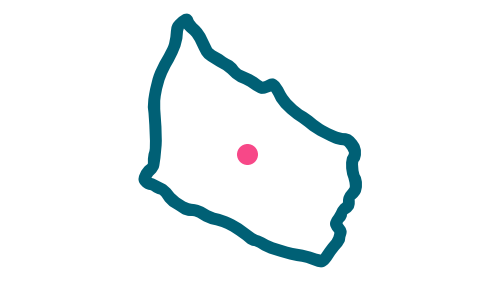
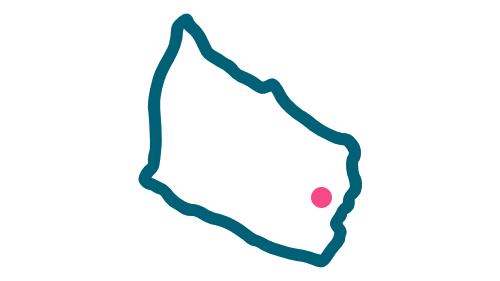
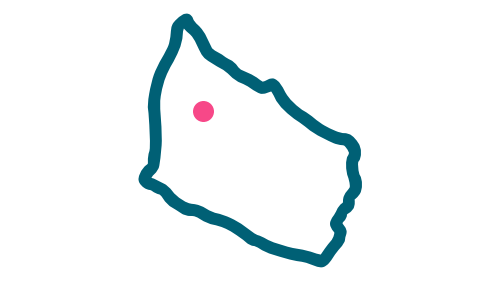
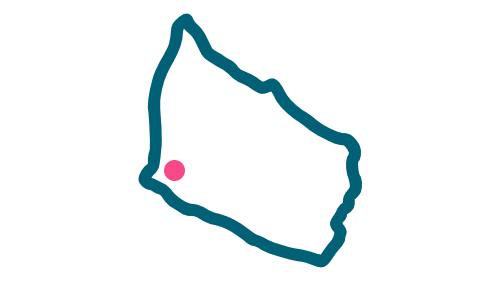
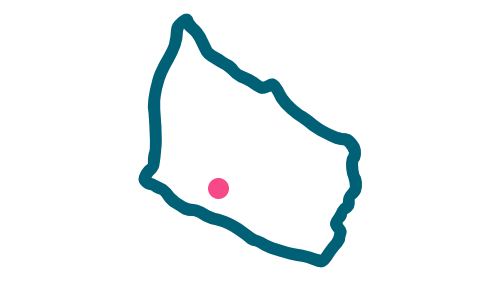
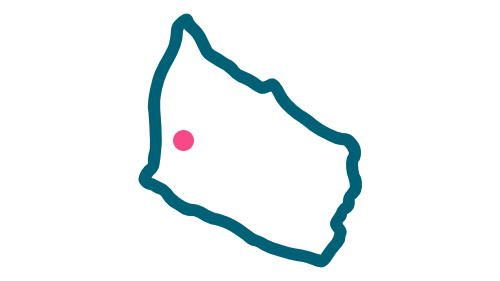
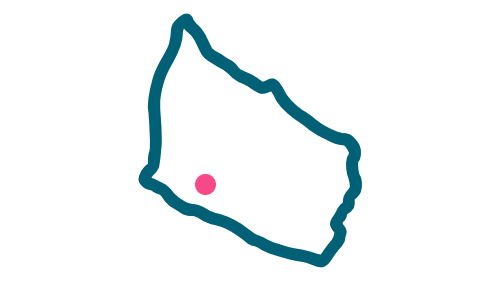
Rø Plantage is a forest and natural area in northern Bornholm, approximately 4 kilometres south-west of Gudhjem. The plantation was established between 1863 and 1875 through the planting of an area that had previously formed part of the Bornholm heather moorland. The afforestation was part of a wider effort to restore forested areas on Bornholm after centuries of deforestation, and the area was planted with, among other species, Norway spruce, Scots pine, larch and birch.

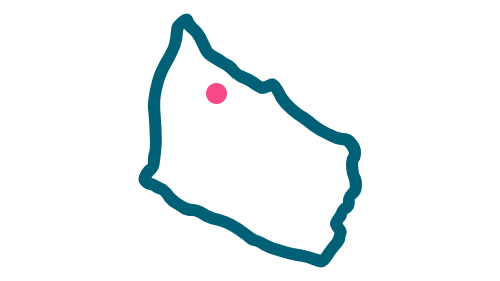
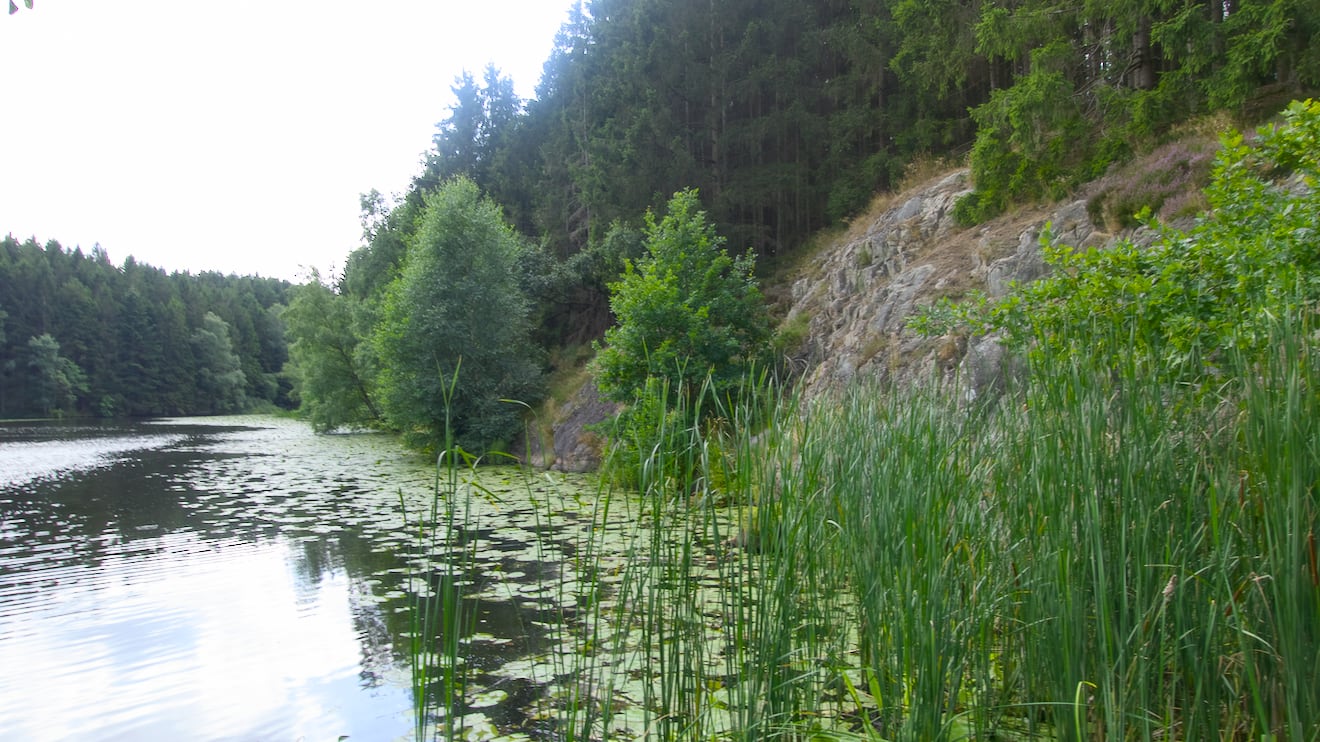
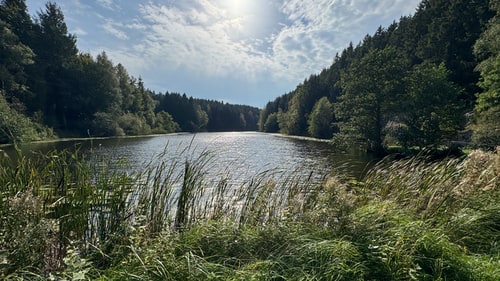
The terrain in Rø Plantage is undulating and cut by rift valleys, including Nordre and Søndre Borgedal. In Søndre Borgedal lies Borgedalssø, an artificially dammed lake created after a severe storm in 1967, when large quantities of storm-felled trees lay in the valley.

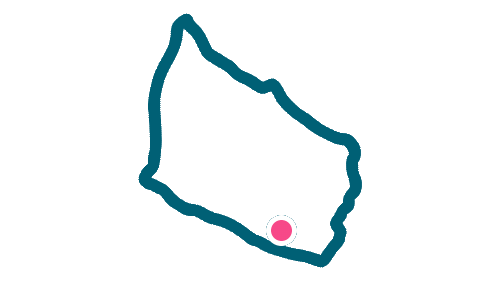
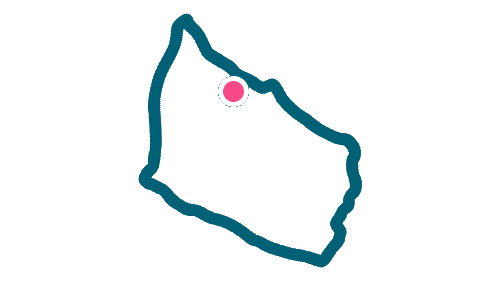
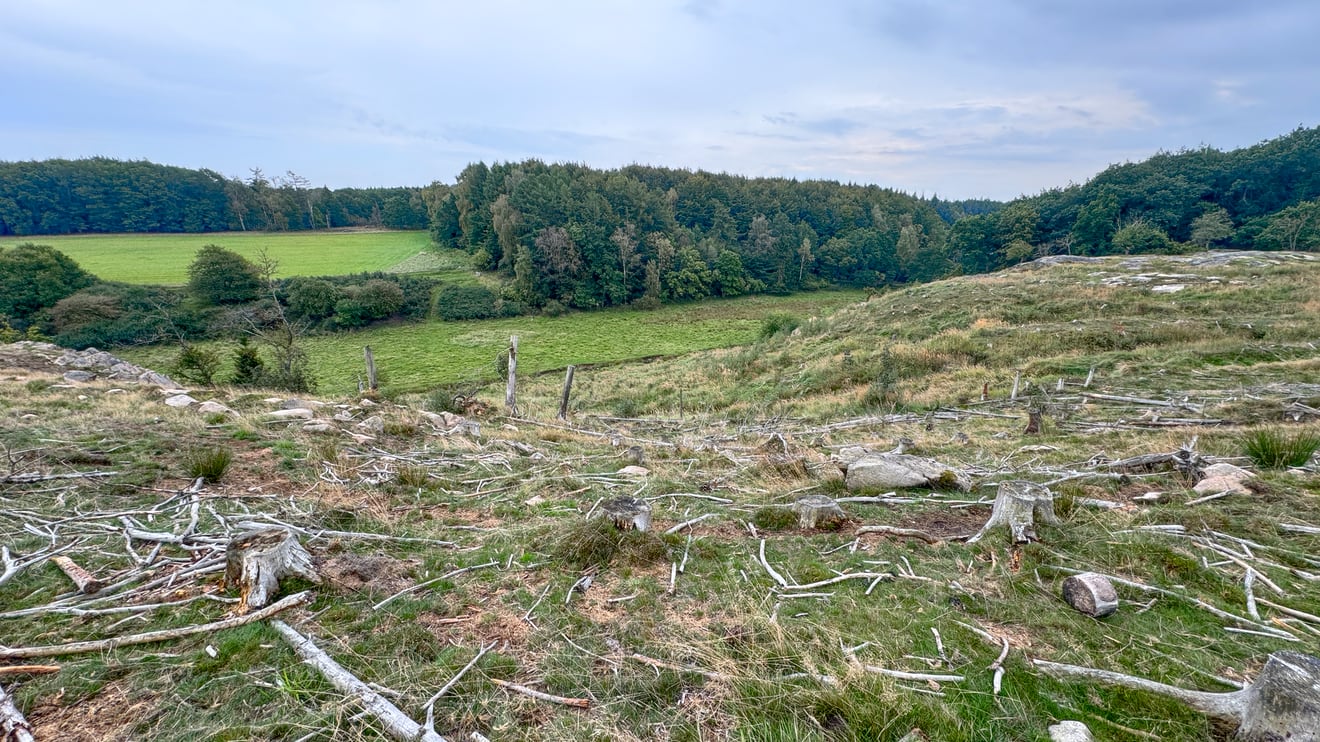
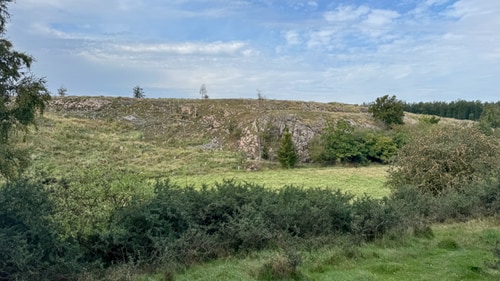
Rø Plantage offers several features linked to both nature and history. Borgedalssø is crossed by a number of walking routes, and within the area are the remains of a refuge castle from the Iron Age, known as Borgen, constructed on a rocky promontory between the rift valleys. Nordre Borgedal appears as a narrow rift valley with steep rock faces, while Stenvarpen – a former stone cairn – today appears as a grass-covered mound.
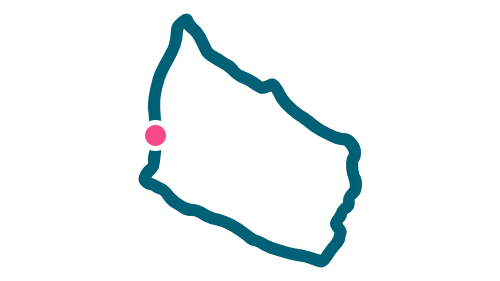
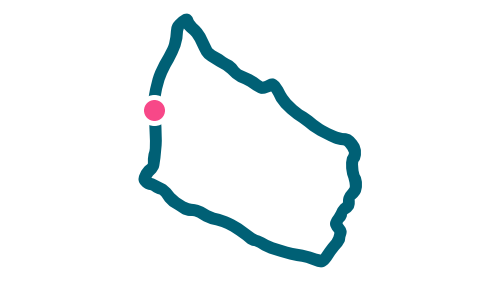
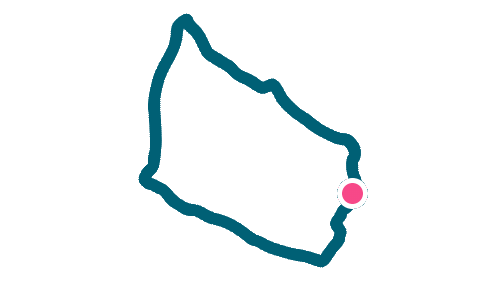
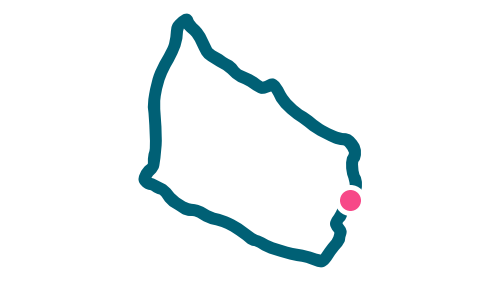
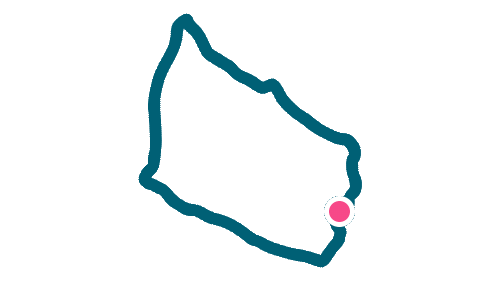
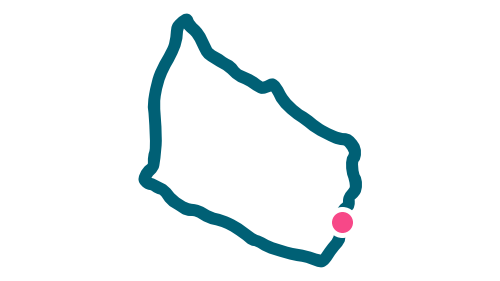
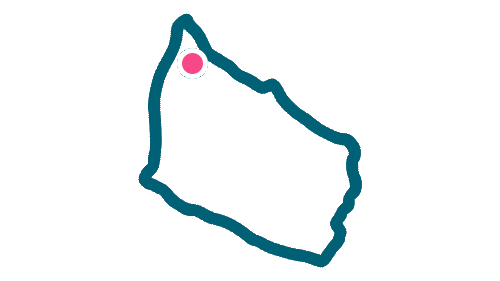
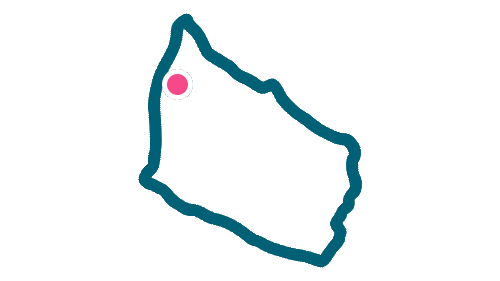
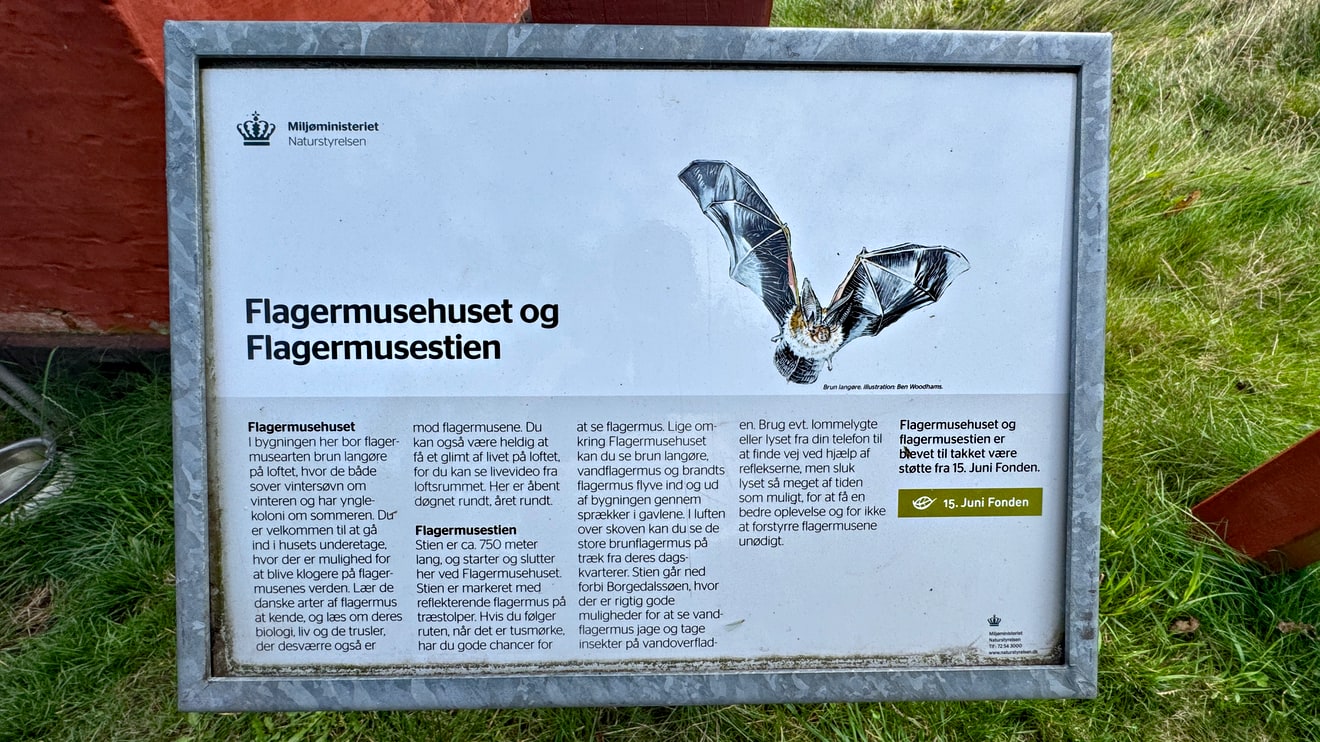
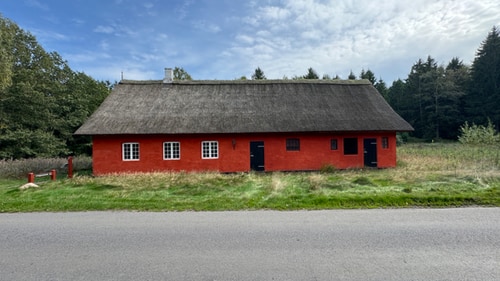
In the northern part of the plantation lies the Bat House (Flagermusehuset), which provides information about bats, along with a marked bat trail. The area is also intersected by several walking trails, including Højlyngsstien, Borgedalsstien and the route around Borgen. Archaeological finds show that Rø Plantage has been inhabited since the Neolithic period, and the area contains clear traces of both natural processes and human activity over time.
Rø Plantage is a forest and natural area in northern Bornholm, approximately 4 kilometres south-west of Gudhjem. The plantation was established between 1863 and 1875 through the planting of an area that had previously formed part of the Bornholm heather moorland. The afforestation was part of a wider effort to restore forested areas on Bornholm after centuries of deforestation, and the area was planted with, among other species, Norway spruce, Scots pine, larch and birch.

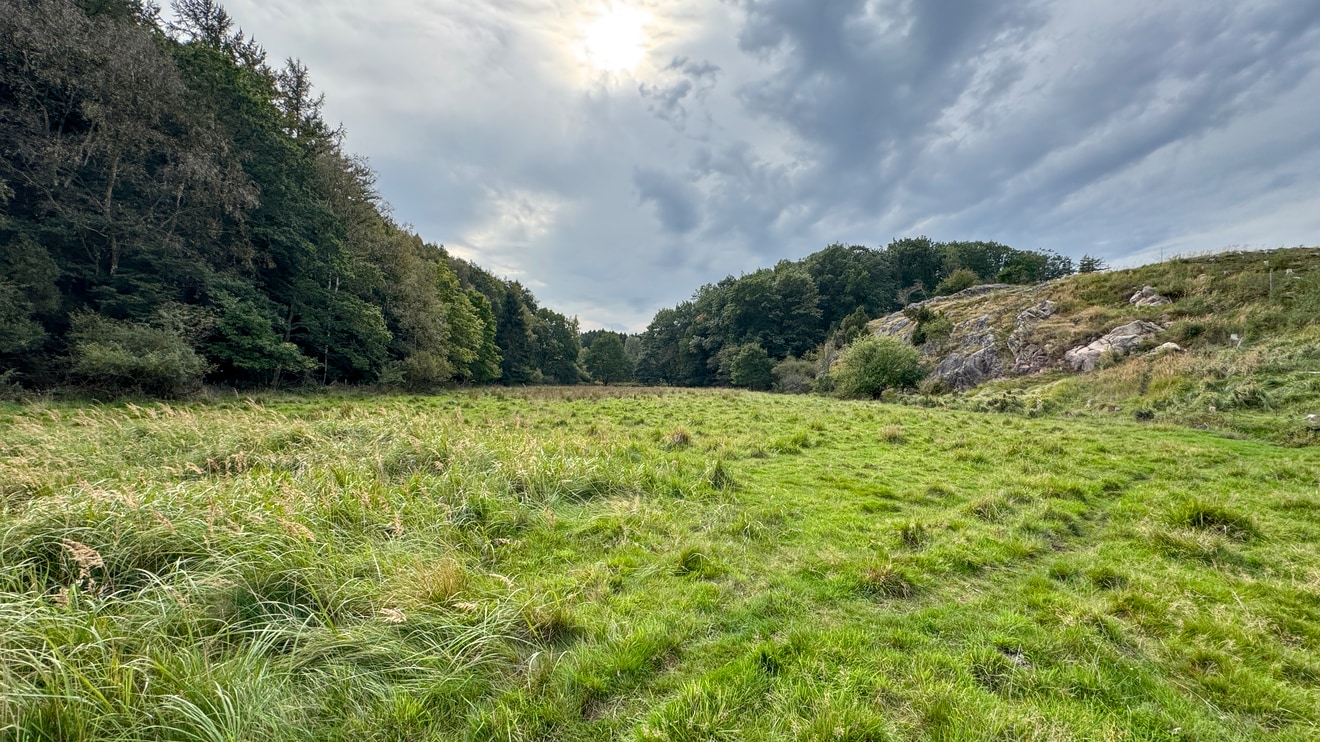
The terrain in Rø Plantage is undulating and cut by rift valleys, including Nordre and Søndre Borgedal. In Søndre Borgedal lies Borgedalssø, an artificially dammed lake created after a severe storm in 1967, when large quantities of storm-felled trees lay in the valley.

Rø Plantage offers several features linked to both nature and history. Borgedalssø is crossed by a number of walking routes, and within the area are the remains of a refuge castle from the Iron Age, known as Borgen, constructed on a rocky promontory between the rift valleys. Nordre Borgedal appears as a narrow rift valley with steep rock faces, while Stenvarpen – a former stone cairn – today appears as a grass-covered mound.

In the northern part of the plantation lies the Bat House (Flagermusehuset), which provides information about bats, along with a marked bat trail. The area is also intersected by several walking trails, including Højlyngsstien, Borgedalsstien and the route around Borgen. Archaeological finds show that Rø Plantage has been inhabited since the Neolithic period, and the area contains clear traces of both natural processes and human activity over time.
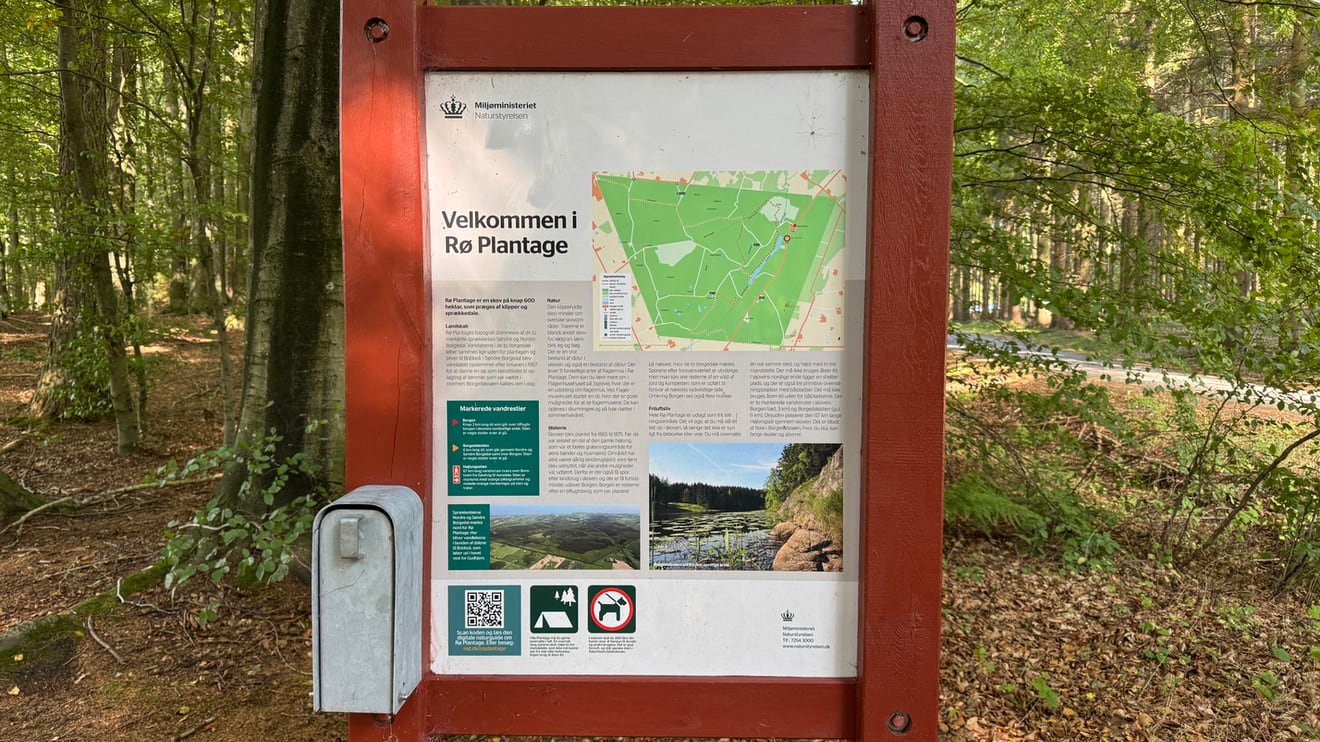
Rø Plantage is a forest and natural area in northern Bornholm, approximately 4 kilometres south-west of Gudhjem. The plantation was established between 1863 and 1875 through the planting of an area that had previously formed part of the Bornholm heather moorland. The afforestation was part of a wider effort to restore forested areas on Bornholm after centuries of deforestation, and the area was planted with, among other species, Norway spruce, Scots pine, larch and birch.

The terrain in Rø Plantage is undulating and cut by rift valleys, including Nordre and Søndre Borgedal. In Søndre Borgedal lies Borgedalssø, an artificially dammed lake created after a severe storm in 1967, when large quantities of storm-felled trees lay in the valley.

Rø Plantage offers several features linked to both nature and history. Borgedalssø is crossed by a number of walking routes, and within the area are the remains of a refuge castle from the Iron Age, known as Borgen, constructed on a rocky promontory between the rift valleys. Nordre Borgedal appears as a narrow rift valley with steep rock faces, while Stenvarpen – a former stone cairn – today appears as a grass-covered mound.

In the northern part of the plantation lies the Bat House (Flagermusehuset), which provides information about bats, along with a marked bat trail. The area is also intersected by several walking trails, including Højlyngsstien, Borgedalsstien and the route around Borgen. Archaeological finds show that Rø Plantage has been inhabited since the Neolithic period, and the area contains clear traces of both natural processes and human activity over time.
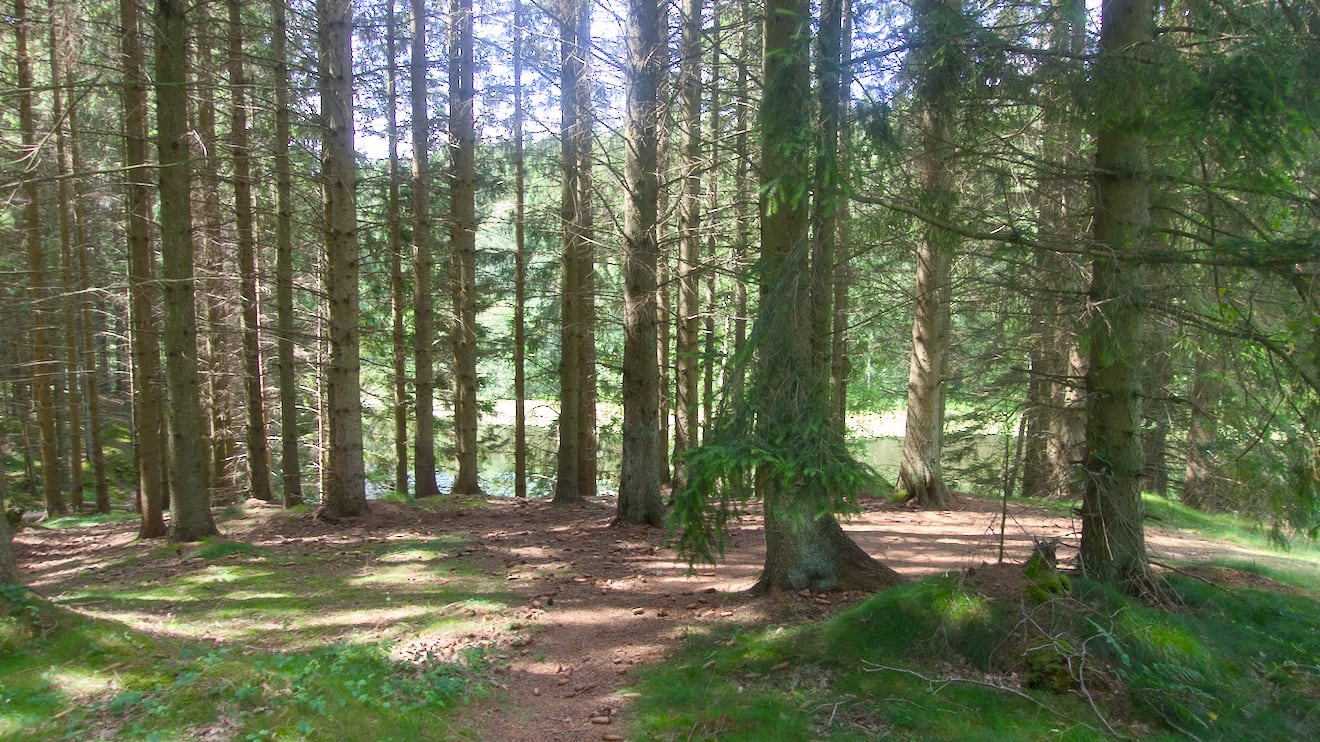
Rø Plantage

Explore points of interest