Hammershus

Hammershus
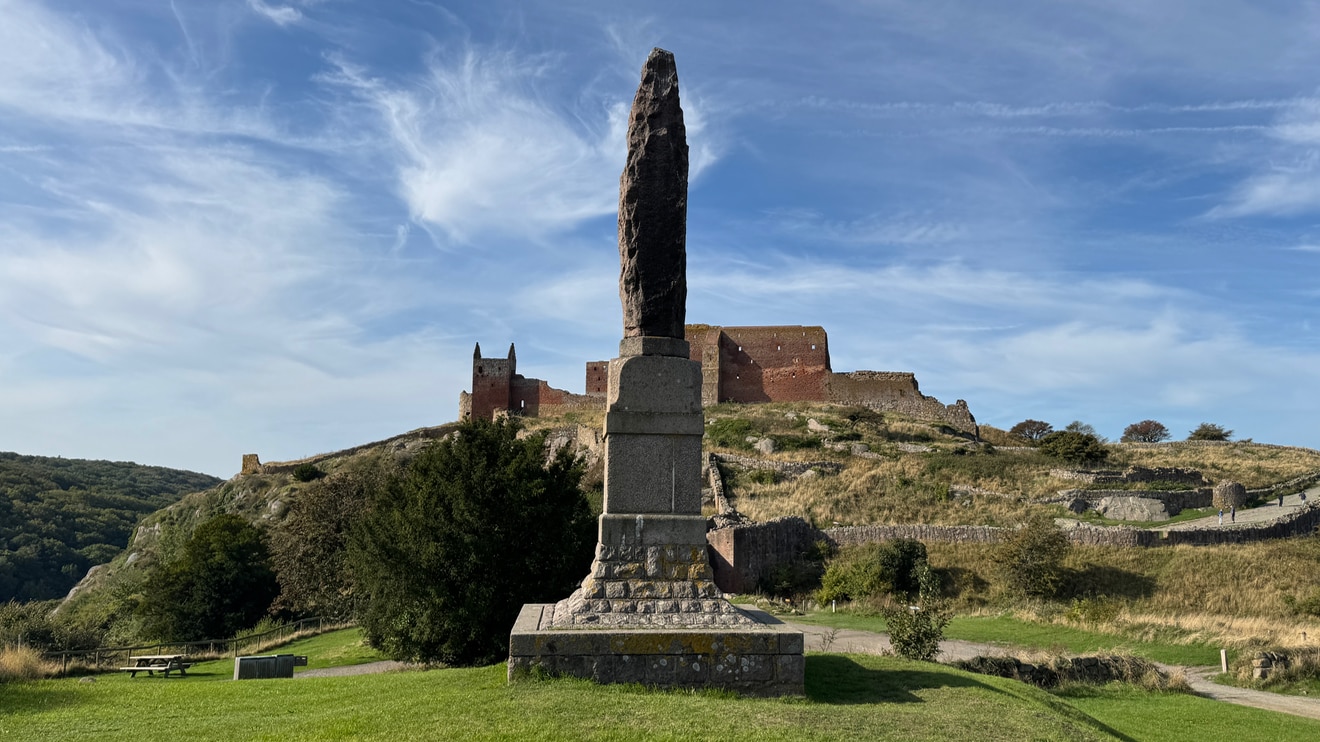
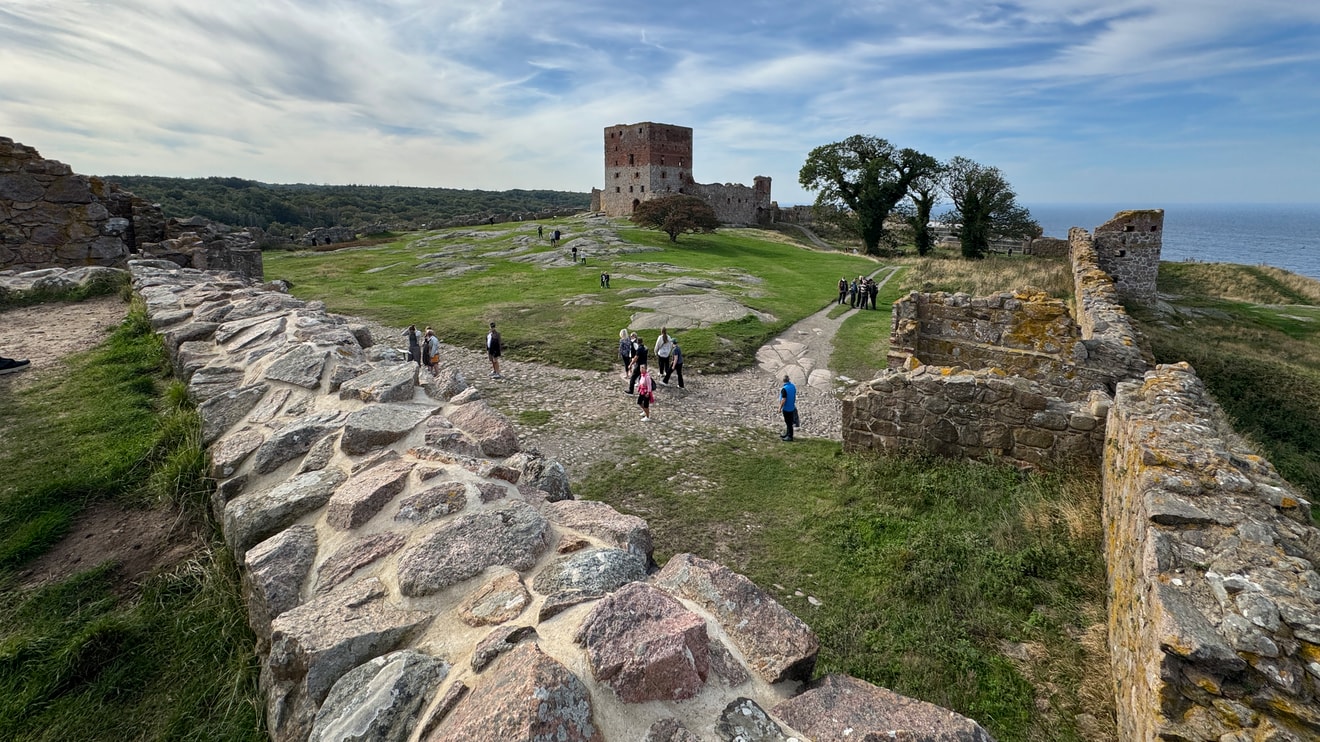
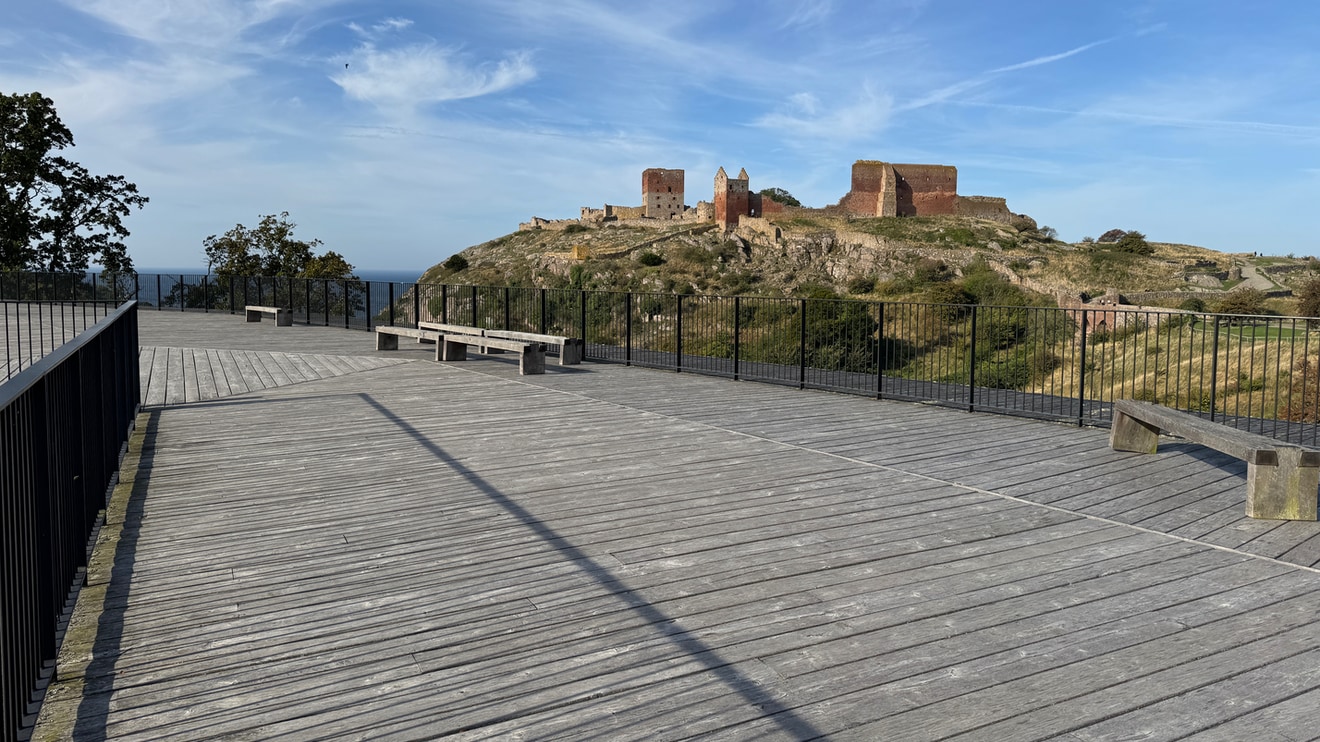
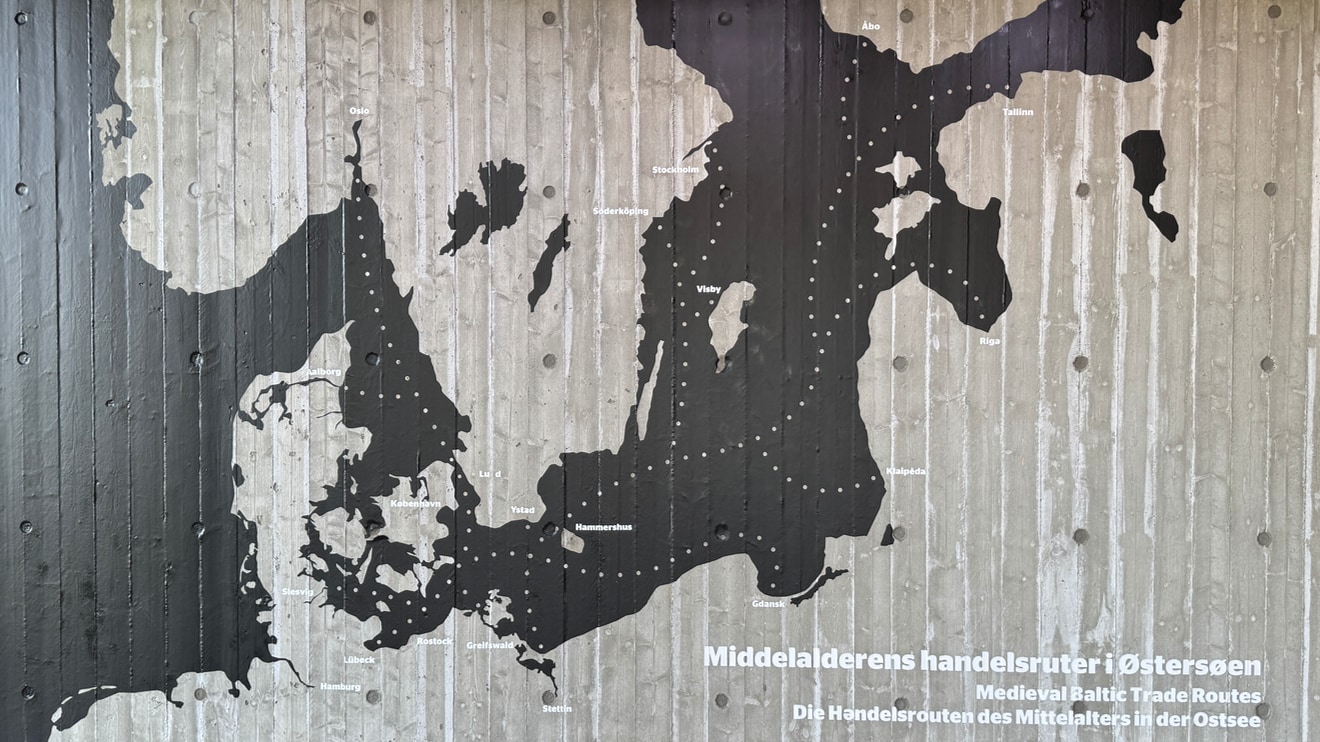
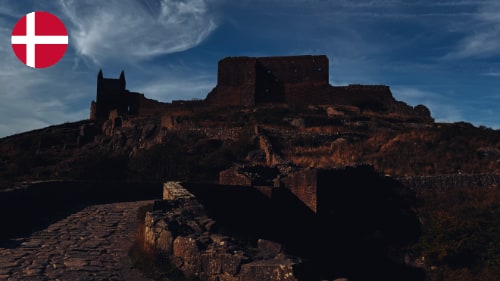
Hammershus is the largest castle ruin in the Nordic region and one of Bornholm’s most iconic landmarks. The impressive fortress stands dramatically on a rocky prominence on Hammeren, where steep cliffs drop toward the sea and the view stretches far across the Baltic. The oldest parts of the castle were built in the late 13th century, most likely by the Archbishop of Lund, who sought to establish a strong political and military power base on the island. Hammershus later became a focal point in power struggles between the church, the king and local nobles, and the castle was continually expanded and reinforced throughout the Middle Ages.
The location was carefully chosen. The high rocky outcrop made the castle easy to defend, and from here one could control maritime traffic in the waters around Bornholm. Hammershus served as a fortress, administrative centre and refuge in times of conflict. Over the centuries, it played an important role in several significant historical events, including the conflicts in the early 1500s, when tensions between church and crown intensified. These periods left clear marks on the castle’s structure and defensive works.
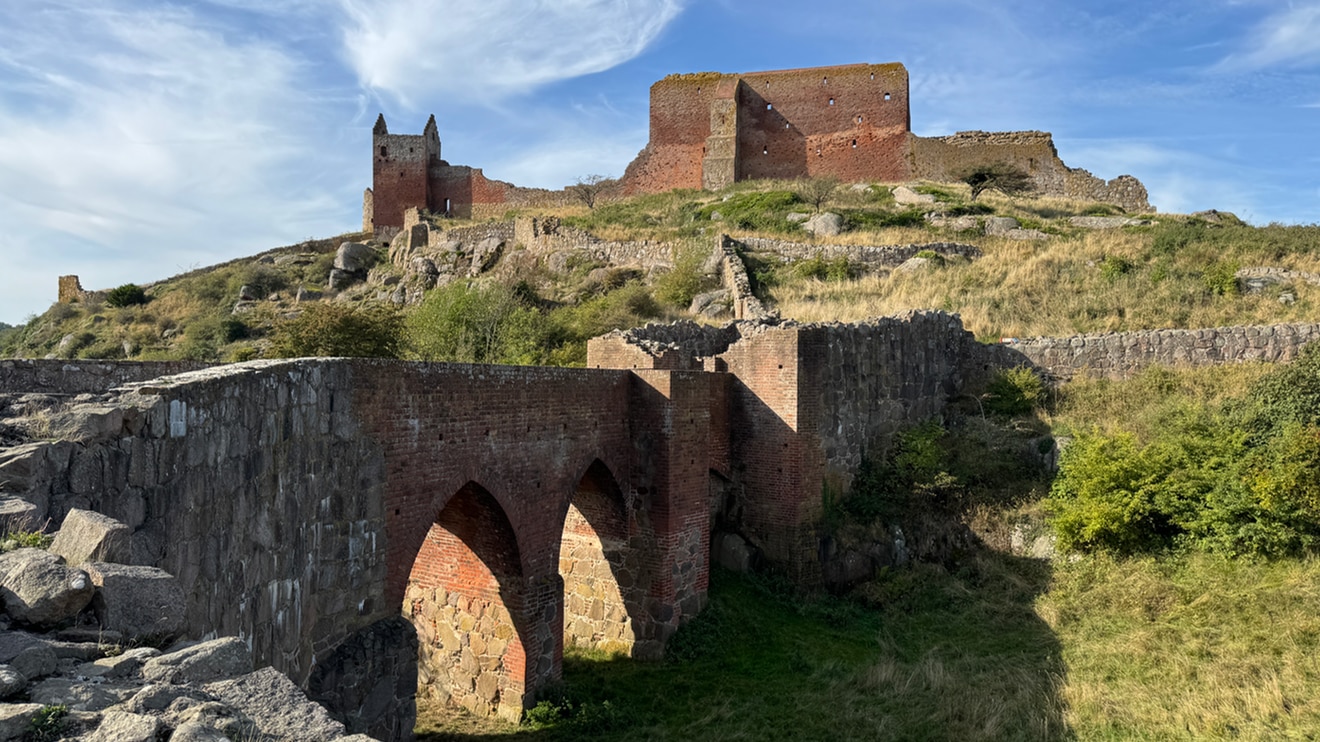
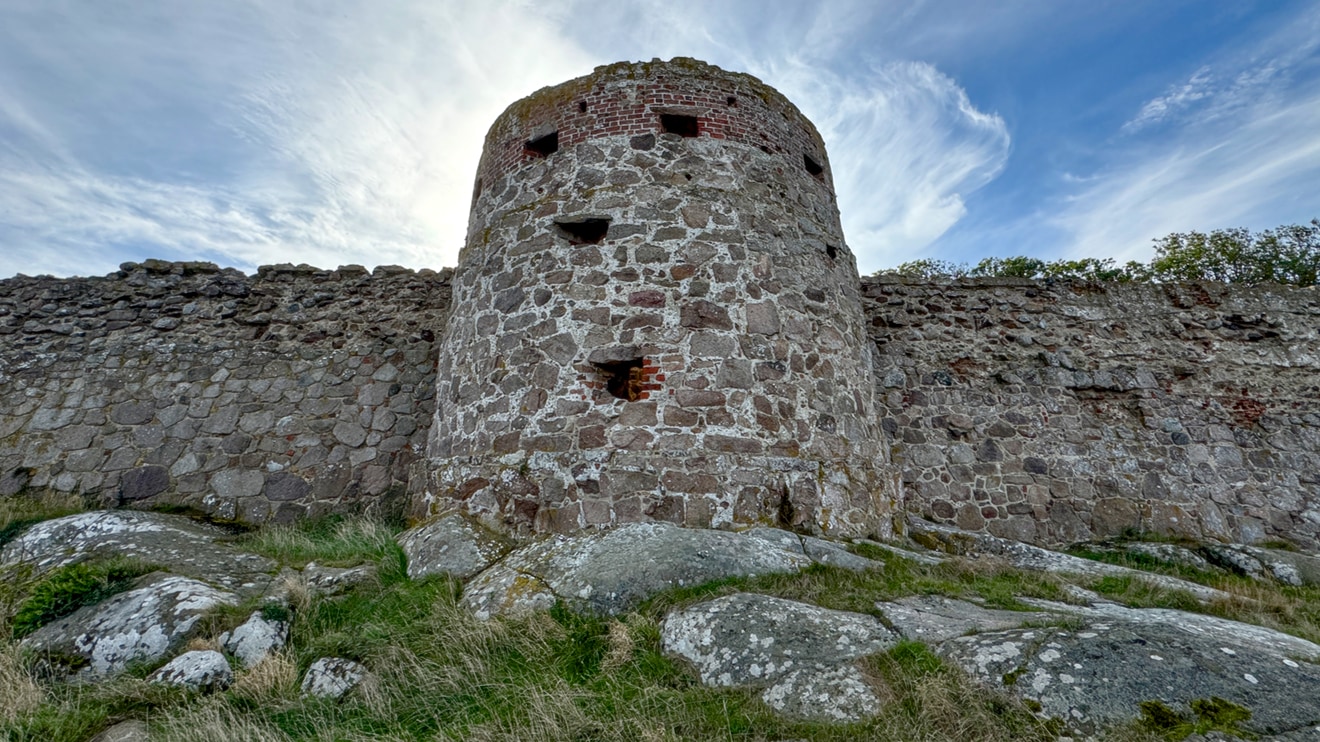
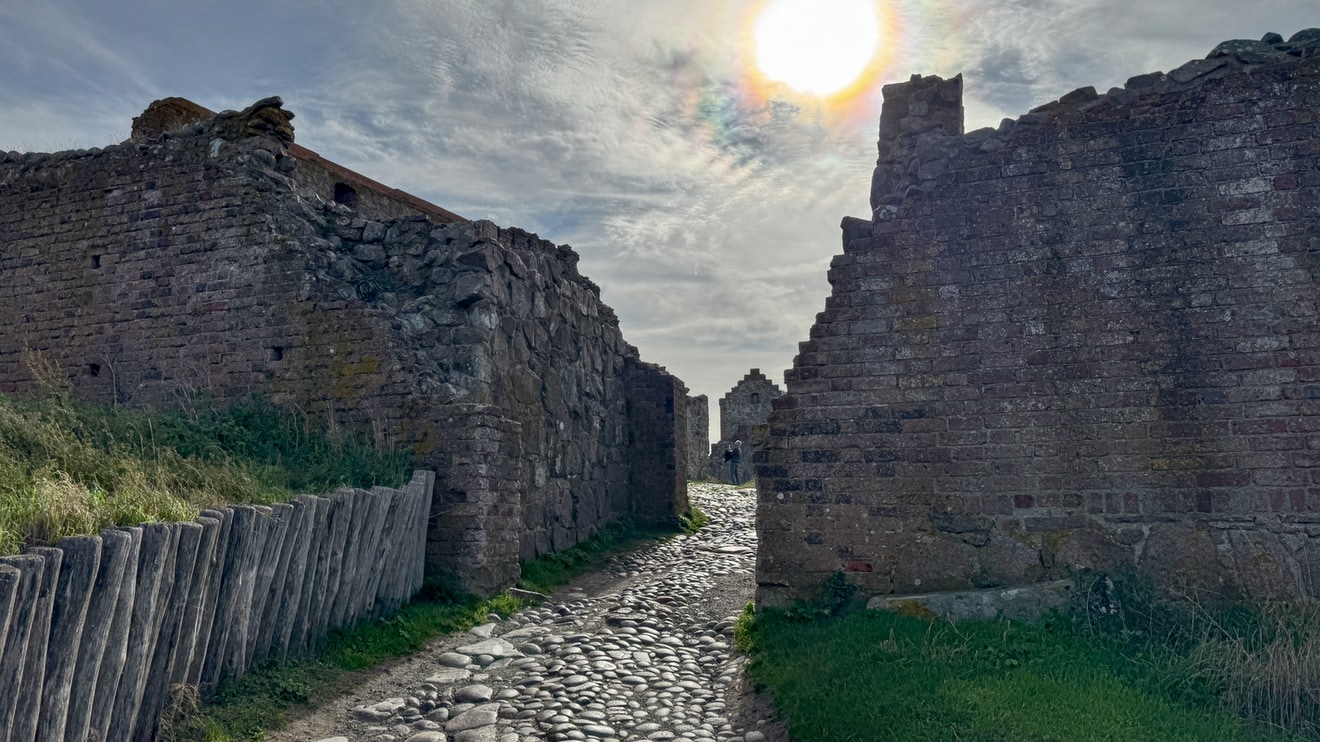
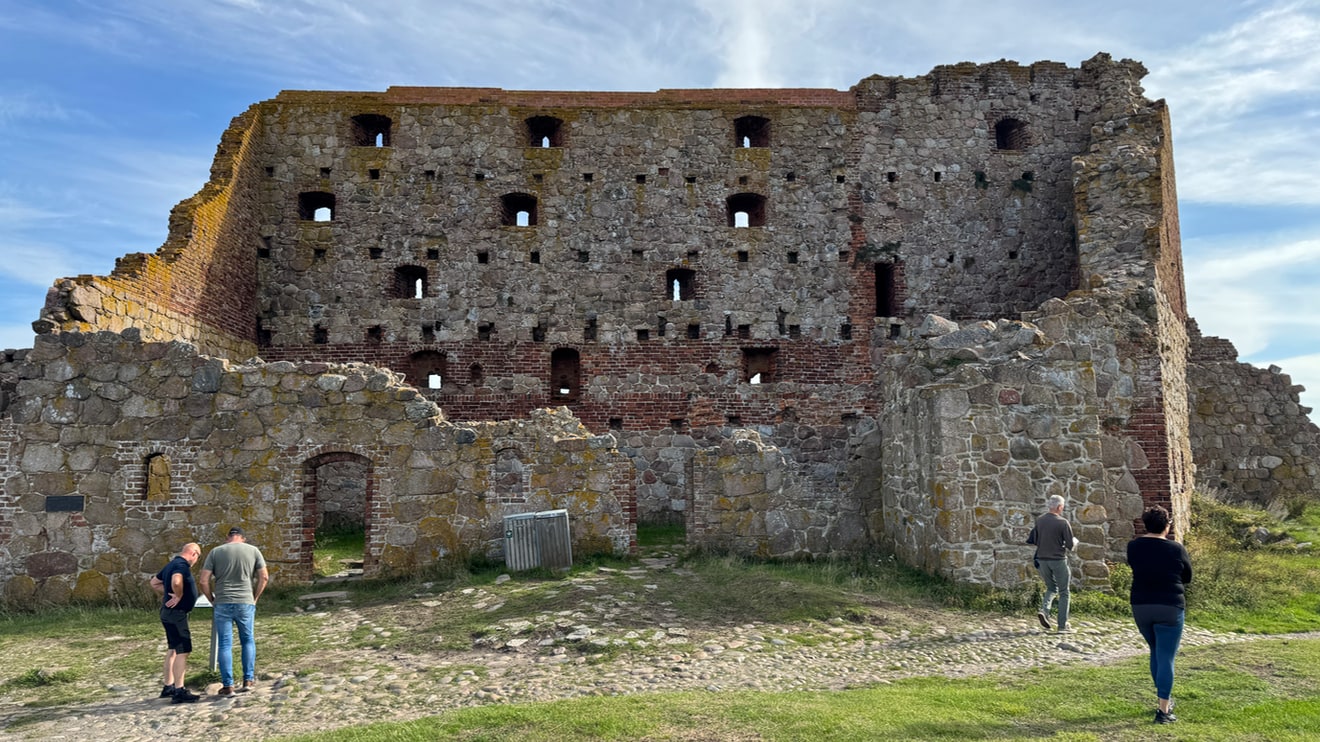
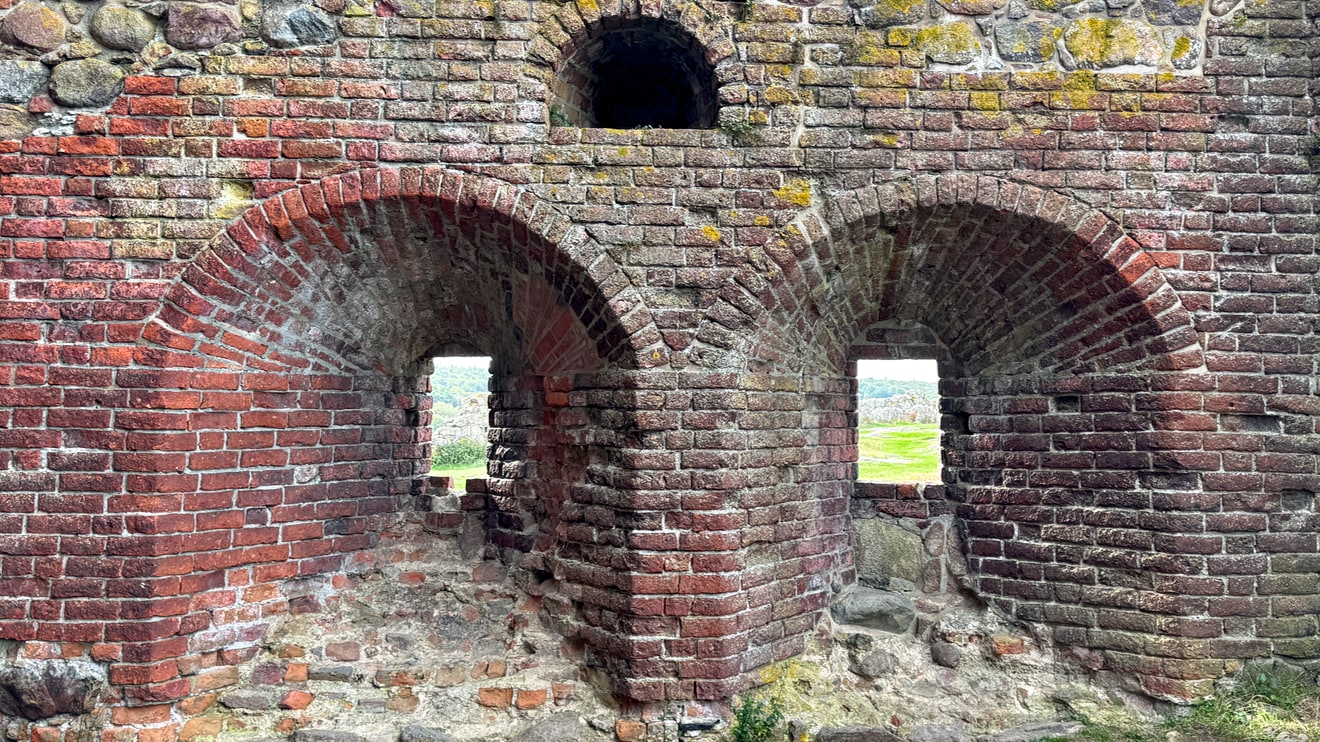
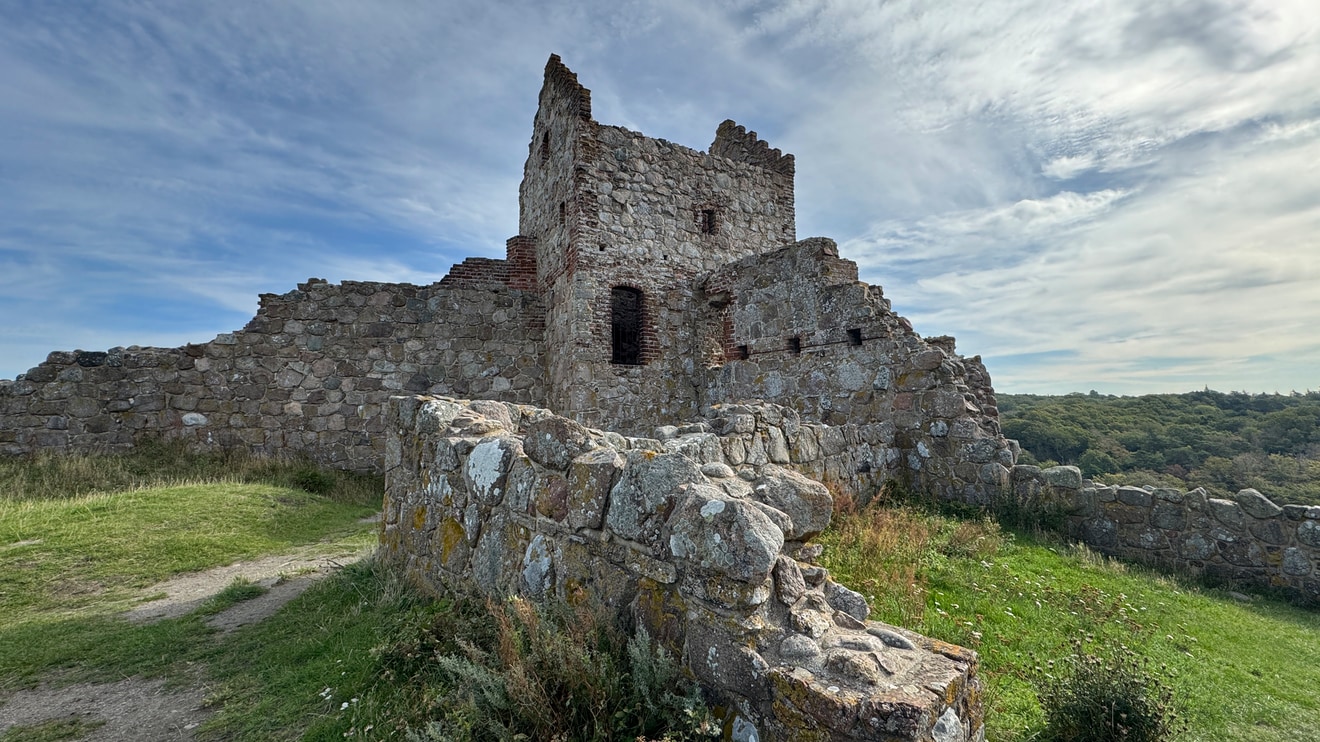
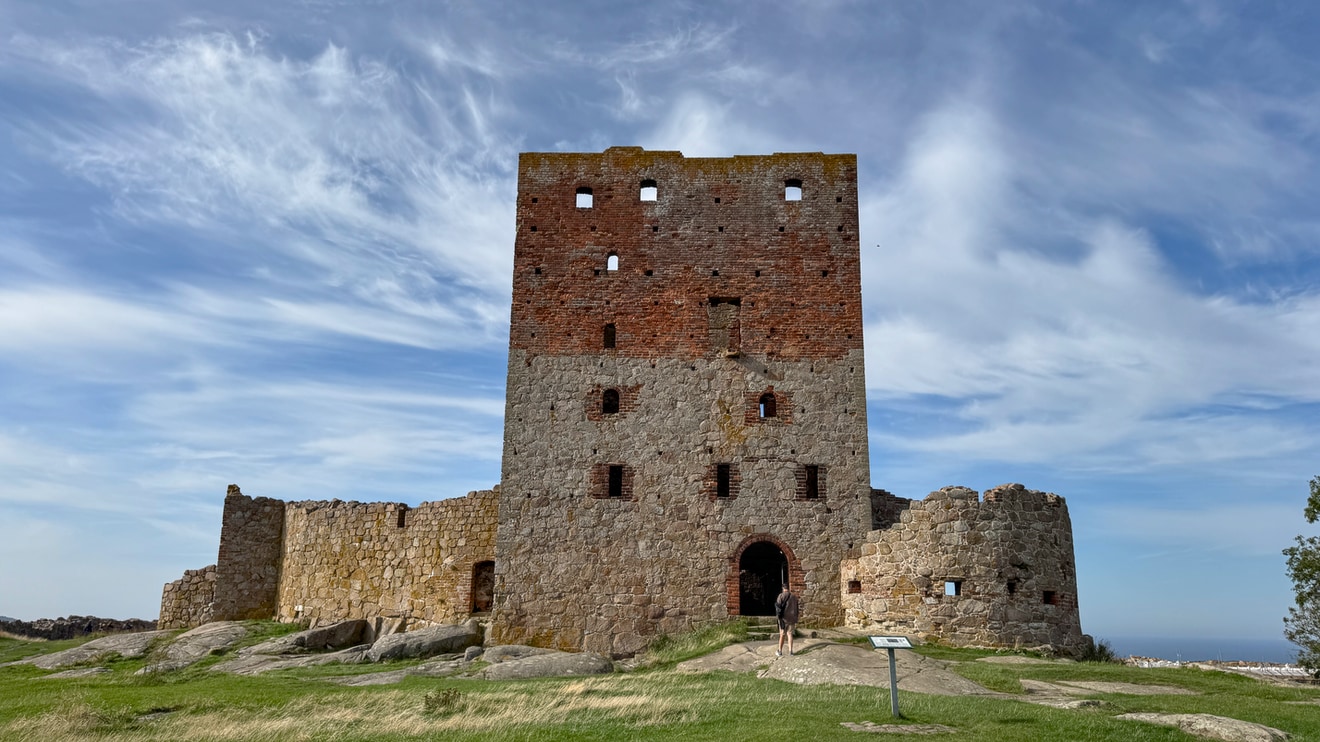
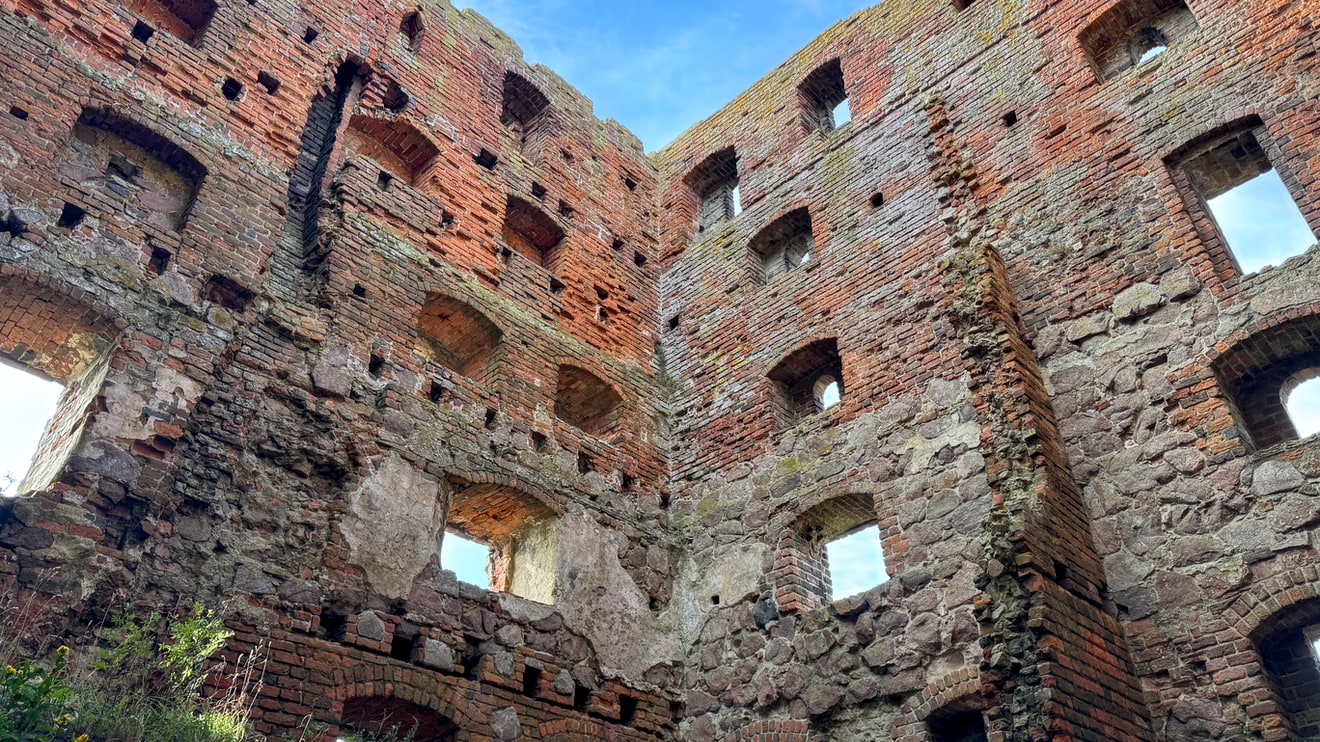
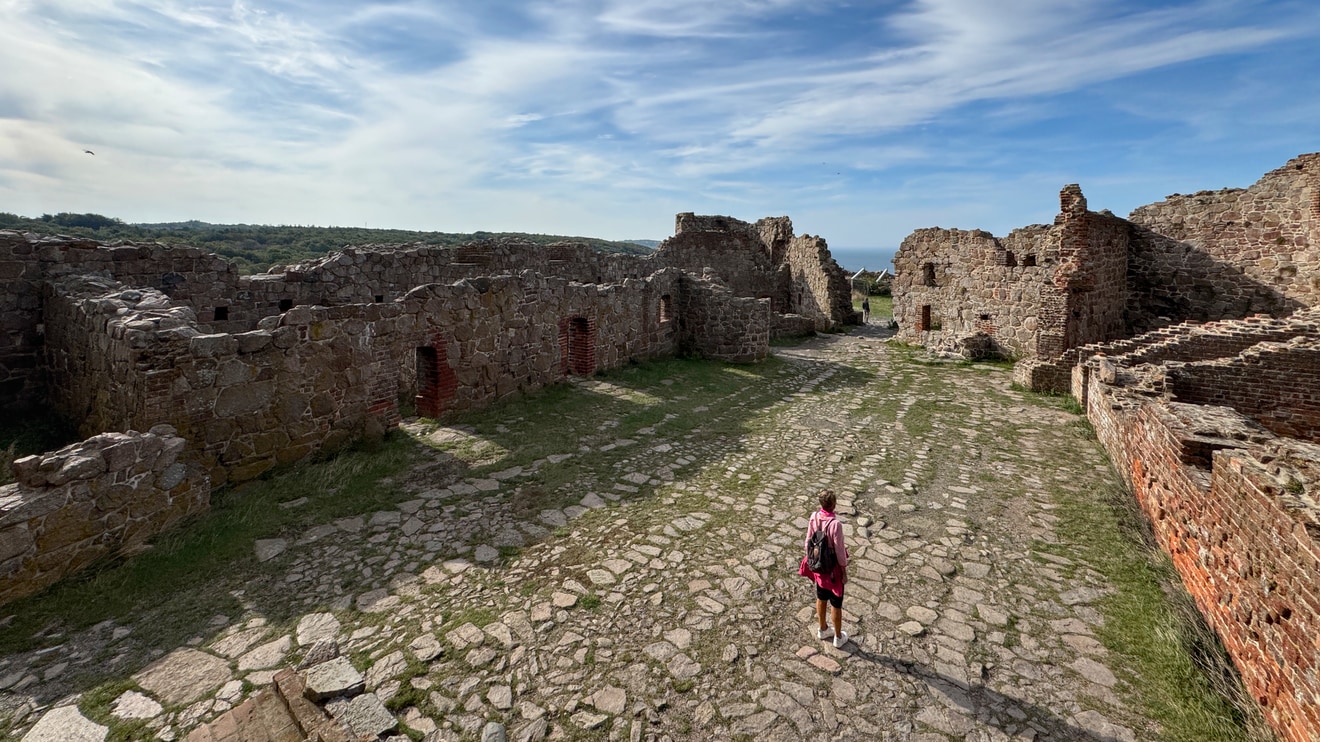
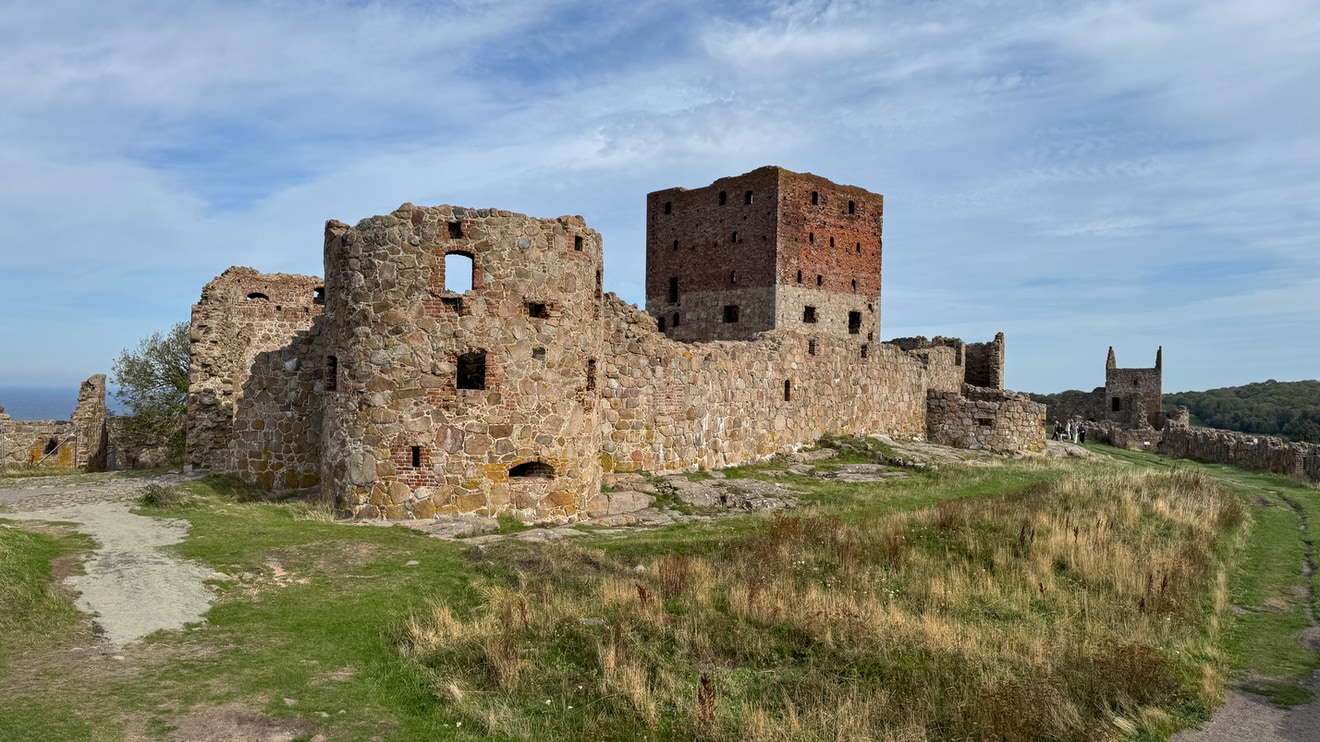
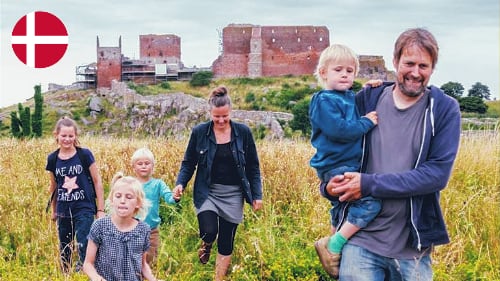
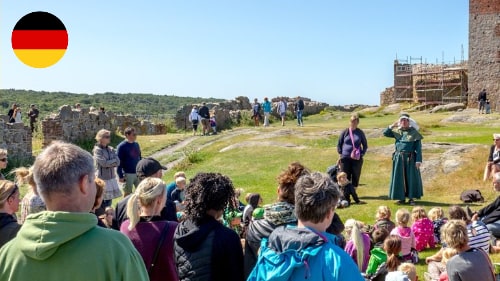
In the 17th century, Hammershus gradually lost its strategic importance. Changes in weapon technology and political conditions diminished its military role, and the castle was finally abandoned in 1743. In the following decades, parts of the ruin were dismantled, as stone from the walls was reused in building projects elsewhere on Bornholm. Despite this, large parts of the original layout remain visible, and visitors can walk among remnants of the ring walls, the striking Mantel Tower, gate structures, casemates and various fortifications that illustrate the scale of the medieval complex.
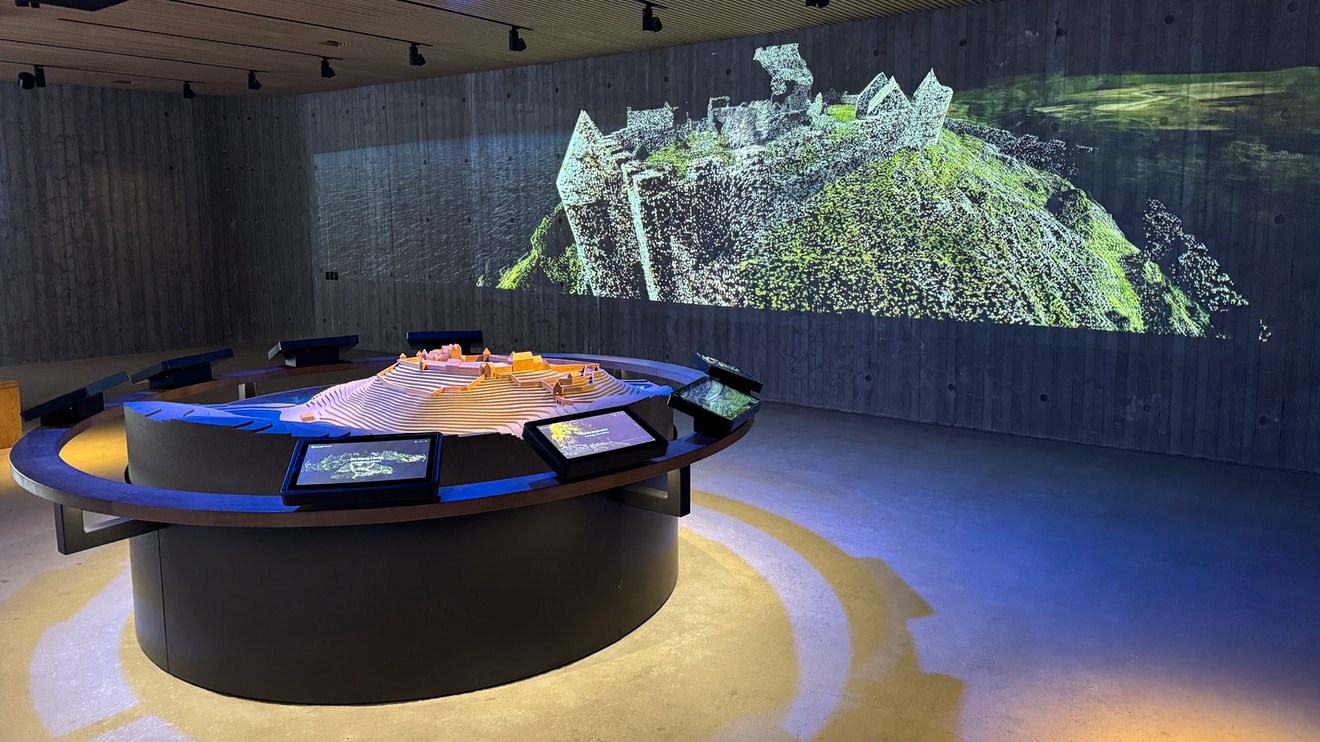
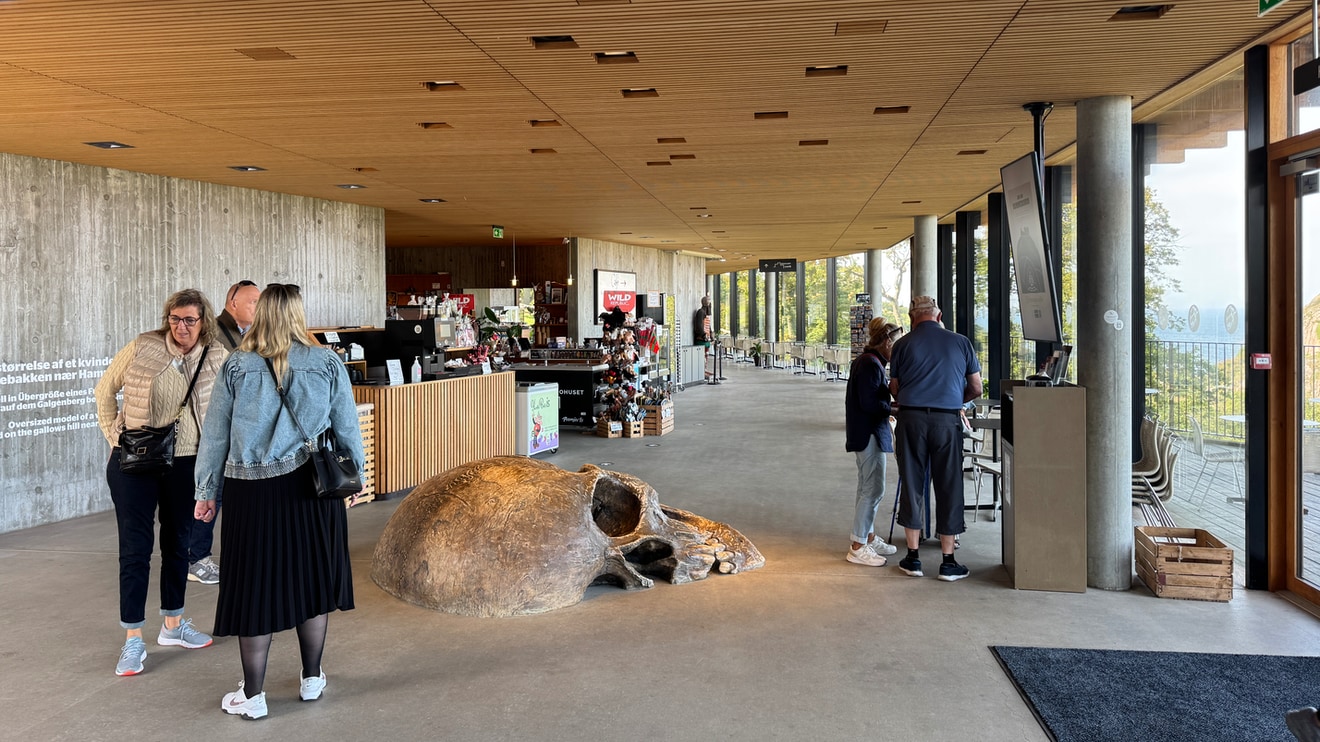
Today, Hammershus is both a cultural monument and a nature experience. The ruins stand in dramatic natural surroundings where cliffs, sea and wide views frame the visit. A modern visitor centre presents the castle’s history, its construction, its role in medieval power politics and the daily life of those who lived and worked here. Archaeological excavations and studies in recent years have added new insight into building phases, functions and everyday life at the fortress.
The extensive ruins and prominent location make Hammershus a place where Bornholm’s medieval history can still be read directly in the landscape.
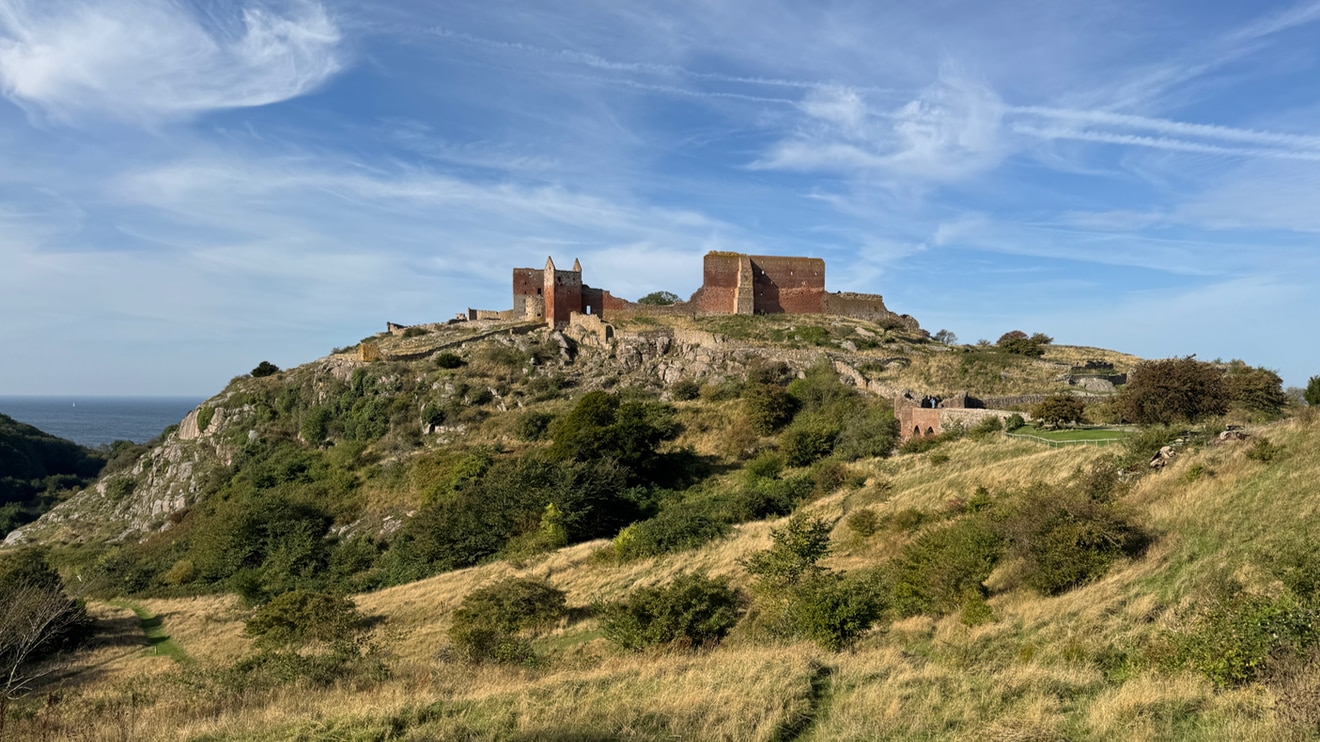
Hammershus is the largest castle ruin in the Nordic region and one of Bornholm’s most iconic landmarks. The impressive fortress stands dramatically on a rocky prominence on Hammeren, where steep cliffs drop toward the sea and the view stretches far across the Baltic. The oldest parts of the castle were built in the late 13th century, most likely by the Archbishop of Lund, who sought to establish a strong political and military power base on the island. Hammershus later became a focal point in power struggles between the church, the king and local nobles, and the castle was continually expanded and reinforced throughout the Middle Ages.
The location was carefully chosen. The high rocky outcrop made the castle easy to defend, and from here one could control maritime traffic in the waters around Bornholm. Hammershus served as a fortress, administrative centre and refuge in times of conflict. Over the centuries, it played an important role in several significant historical events, including the conflicts in the early 1500s, when tensions between church and crown intensified. These periods left clear marks on the castle’s structure and defensive works.
In the 17th century, Hammershus gradually lost its strategic importance. Changes in weapon technology and political conditions diminished its military role, and the castle was finally abandoned in 1743. In the following decades, parts of the ruin were dismantled, as stone from the walls was reused in building projects elsewhere on Bornholm. Despite this, large parts of the original layout remain visible, and visitors can walk among remnants of the ring walls, the striking Mantel Tower, gate structures, casemates and various fortifications that illustrate the scale of the medieval complex.
Today, Hammershus is both a cultural monument and a nature experience. The ruins stand in dramatic natural surroundings where cliffs, sea and wide views frame the visit. A modern visitor centre presents the castle’s history, its construction, its role in medieval power politics and the daily life of those who lived and worked here. Archaeological excavations and studies in recent years have added new insight into building phases, functions and everyday life at the fortress.
The extensive ruins and prominent location make Hammershus a place where Bornholm’s medieval history can still be read directly in the landscape.
Hammershus is the largest castle ruin in the Nordic region and one of Bornholm’s most iconic landmarks. The impressive fortress stands dramatically on a rocky prominence on Hammeren, where steep cliffs drop toward the sea and the view stretches far across the Baltic. The oldest parts of the castle were built in the late 13th century, most likely by the Archbishop of Lund, who sought to establish a strong political and military power base on the island. Hammershus later became a focal point in power struggles between the church, the king and local nobles, and the castle was continually expanded and reinforced throughout the Middle Ages.
The location was carefully chosen. The high rocky outcrop made the castle easy to defend, and from here one could control maritime traffic in the waters around Bornholm. Hammershus served as a fortress, administrative centre and refuge in times of conflict. Over the centuries, it played an important role in several significant historical events, including the conflicts in the early 1500s, when tensions between church and crown intensified. These periods left clear marks on the castle’s structure and defensive works.
In the 17th century, Hammershus gradually lost its strategic importance. Changes in weapon technology and political conditions diminished its military role, and the castle was finally abandoned in 1743. In the following decades, parts of the ruin were dismantled, as stone from the walls was reused in building projects elsewhere on Bornholm. Despite this, large parts of the original layout remain visible, and visitors can walk among remnants of the ring walls, the striking Mantel Tower, gate structures, casemates and various fortifications that illustrate the scale of the medieval complex.
Today, Hammershus is both a cultural monument and a nature experience. The ruins stand in dramatic natural surroundings where cliffs, sea and wide views frame the visit. A modern visitor centre presents the castle’s history, its construction, its role in medieval power politics and the daily life of those who lived and worked here. Archaeological excavations and studies in recent years have added new insight into building phases, functions and everyday life at the fortress.
The extensive ruins and prominent location make Hammershus a place where Bornholm’s medieval history can still be read directly in the landscape.