Oluf Høst Museum

Oluf Høst Museum
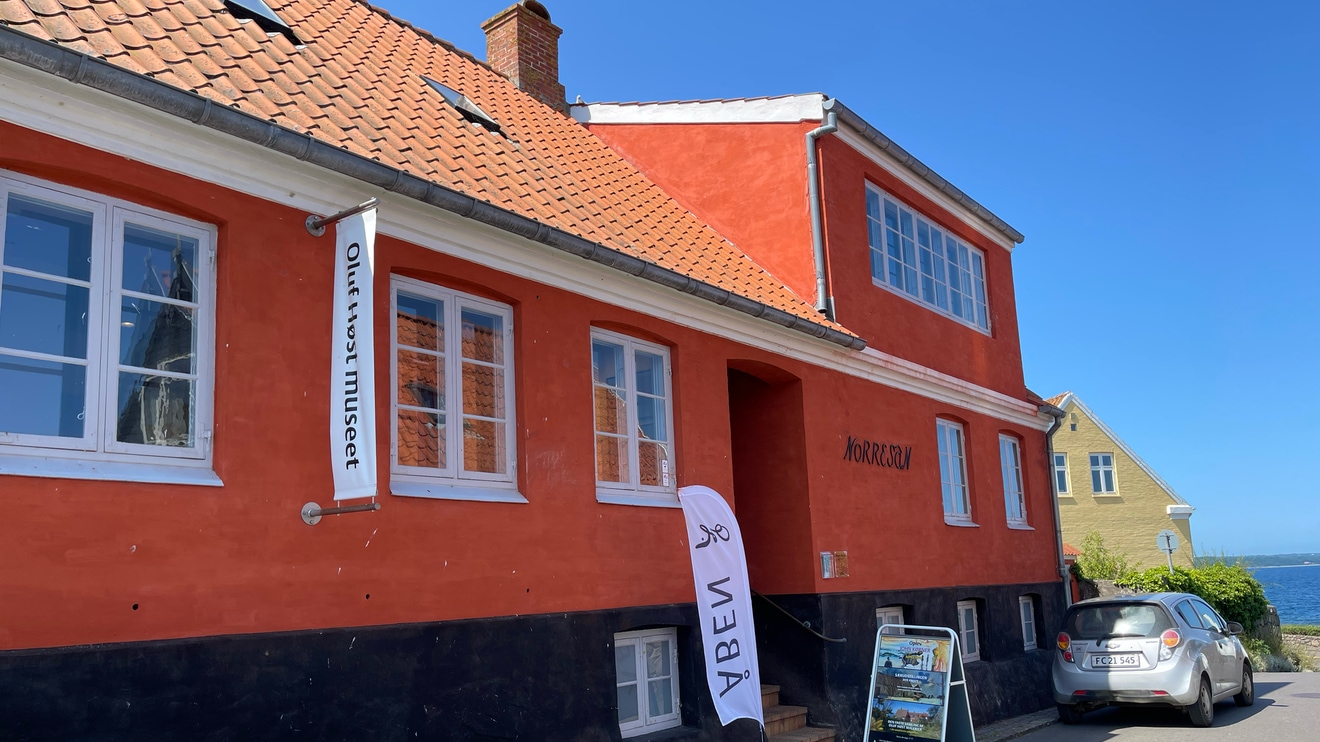
The Oluf Høst Museum is located in Gudhjem in the artist’s home, Norresân, where painter Oluf Høst lived and worked from 1929 until his death in 1966. The museum opened in 1998 and is arranged within the artist’s own house and studios, allowing visitors to experience his works in the surroundings where many of them were created.
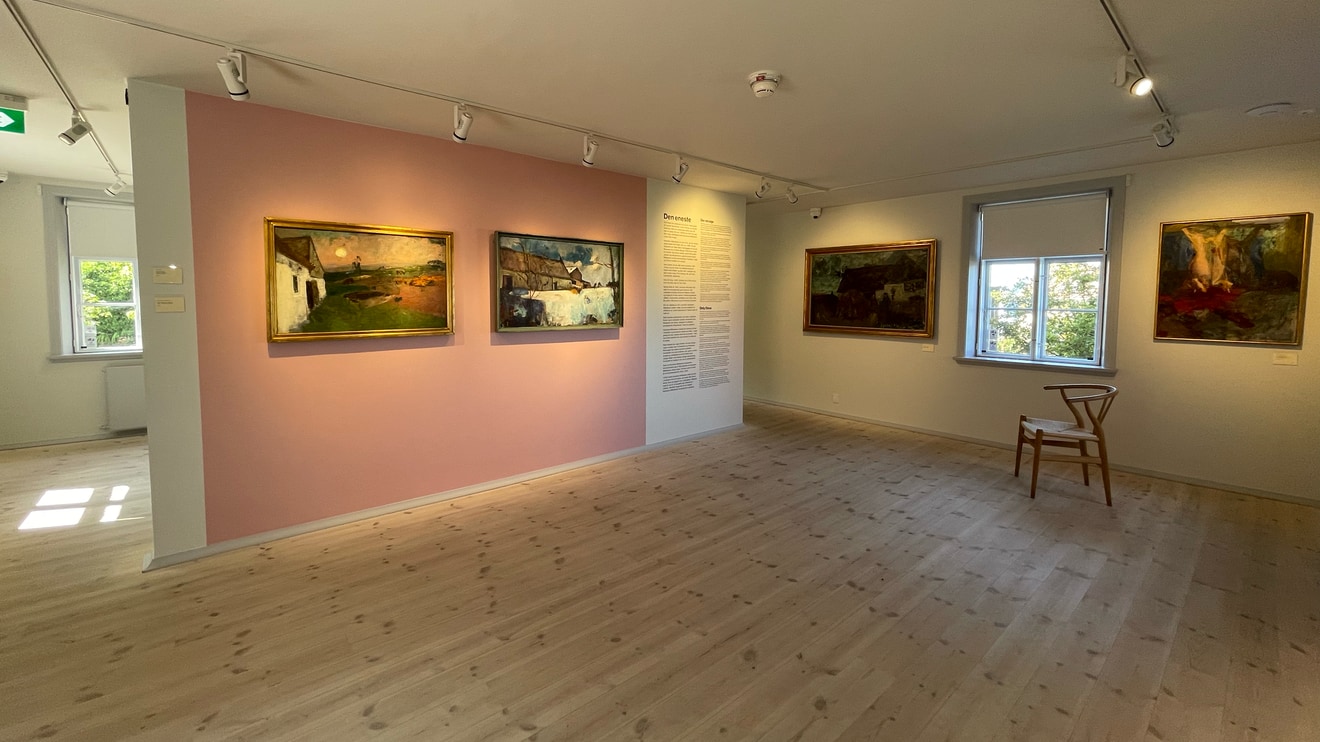
The collection includes a selection of Høst’s paintings and drawings, with a particular focus on Bornholm motifs and the landscapes and atmospheres that shaped his artistic practice. In the museum’s basement, a film is shown that presents his life, working methods, and artistic development.
The garden behind the house is an important part of the museum experience. It consists of a terraced rock and garden landscape that rises toward the Bokul cliff formation. Several of Høst’s studios are located here, including the distinctive summer studio with views over Gudhjem and the sea – a view that frequently appears in his works.
In addition to the permanent collection, the museum hosts several temporary exhibitions each year, offering new perspectives on Oluf Høst’s art or on related themes and artists.
The Oluf Høst Museum provides an intimate insight into the artist’s life, his working spaces, and the environment that surrounded him. A visit here offers a clear sense of the role Bornholm’s nature and light played in shaping his artistic universe.

The Oluf Høst Museum is located in Gudhjem in the artist’s home, Norresân, where painter Oluf Høst lived and worked from 1929 until his death in 1966. The museum opened in 1998 and is arranged within the artist’s own house and studios, allowing visitors to experience his works in the surroundings where many of them were created.
The collection includes a selection of Høst’s paintings and drawings, with a particular focus on Bornholm motifs and the landscapes and atmospheres that shaped his artistic practice. In the museum’s basement, a film is shown that presents his life, working methods, and artistic development.
The garden behind the house is an important part of the museum experience. It consists of a terraced rock and garden landscape that rises toward the Bokul cliff formation. Several of Høst’s studios are located here, including the distinctive summer studio with views over Gudhjem and the sea – a view that frequently appears in his works.
In addition to the permanent collection, the museum hosts several temporary exhibitions each year, offering new perspectives on Oluf Høst’s art or on related themes and artists.
The Oluf Høst Museum provides an intimate insight into the artist’s life, his working spaces, and the environment that surrounded him. A visit here offers a clear sense of the role Bornholm’s nature and light played in shaping his artistic universe.
The Oluf Høst Museum is located in Gudhjem in the artist’s home, Norresân, where painter Oluf Høst lived and worked from 1929 until his death in 1966. The museum opened in 1998 and is arranged within the artist’s own house and studios, allowing visitors to experience his works in the surroundings where many of them were created.
The collection includes a selection of Høst’s paintings and drawings, with a particular focus on Bornholm motifs and the landscapes and atmospheres that shaped his artistic practice. In the museum’s basement, a film is shown that presents his life, working methods, and artistic development.
The garden behind the house is an important part of the museum experience. It consists of a terraced rock and garden landscape that rises toward the Bokul cliff formation. Several of Høst’s studios are located here, including the distinctive summer studio with views over Gudhjem and the sea – a view that frequently appears in his works.
In addition to the permanent collection, the museum hosts several temporary exhibitions each year, offering new perspectives on Oluf Høst’s art or on related themes and artists.
The Oluf Høst Museum provides an intimate insight into the artist’s life, his working spaces, and the environment that surrounded him. A visit here offers a clear sense of the role Bornholm’s nature and light played in shaping his artistic universe.