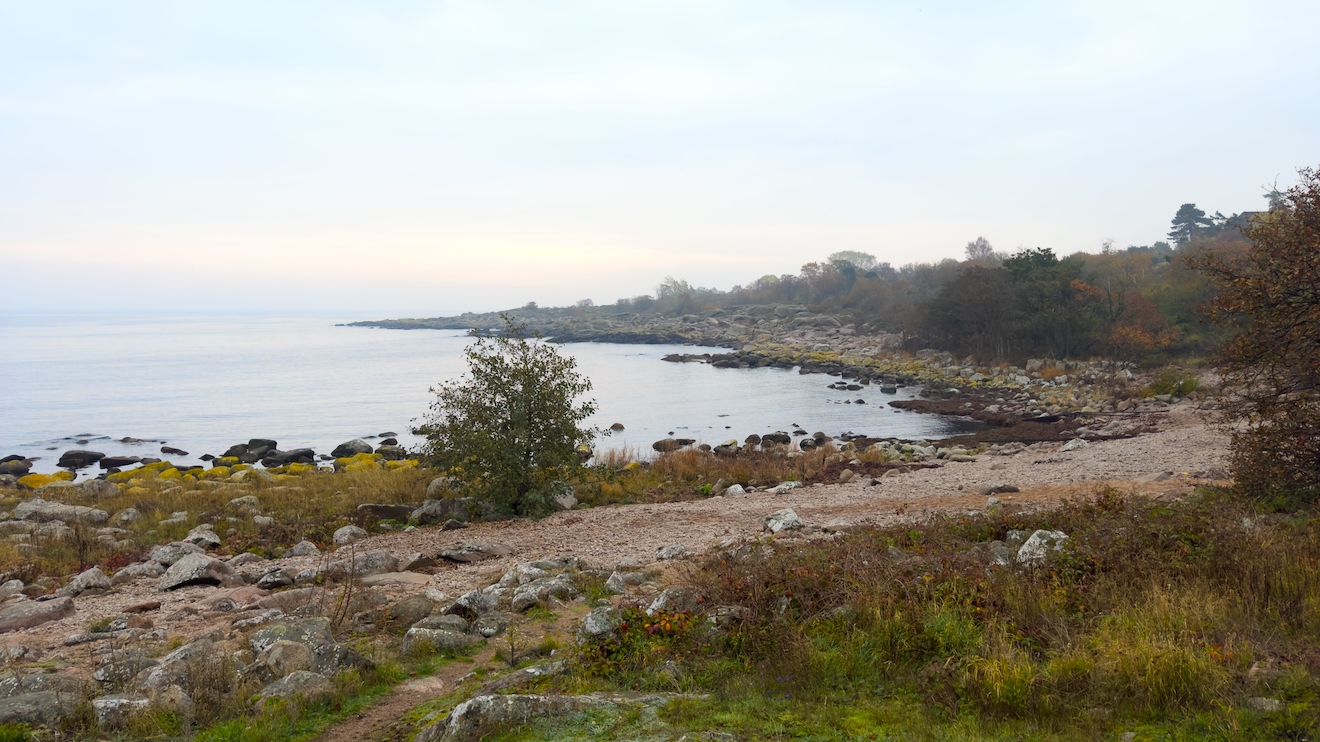
Svenskehavn is a small natural cove on Bornholm’s east coast, characterised by rugged rock formations, large shoreline boulders and deep fissures in the Bornholm granite. The area is one of the more untouched stretches along the east coast and appears as a quiet and nature-rich spot where the landscape has remained largely unaltered.
According to local descriptions, around seven small fishing boats operated here in the early 1800s, indicating that the cove was once used on a modest scale for coastal fishing. The name “Svenskehavn” is of older origin, but no reliable sources link it directly to Swedish activity.
The cove is also known for the wreck of the steamship Glen Head, which sank off the coast in 1934. The wreck is registered in maritime databases and makes the area interesting for those who wish to explore a piece of Bornholm’s maritime history.
Today, Svenskehavn is primarily visited by anglers, who value the stretch for its varied seabed with stones, seaweed belts and rapidly changing depths — conditions that are favourable for species such as sea trout. The area requires caution, as both the rocks and the depth conditions can be challenging to navigate.
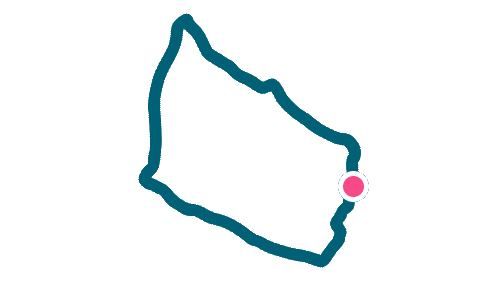
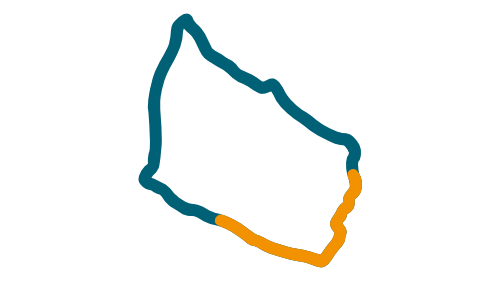
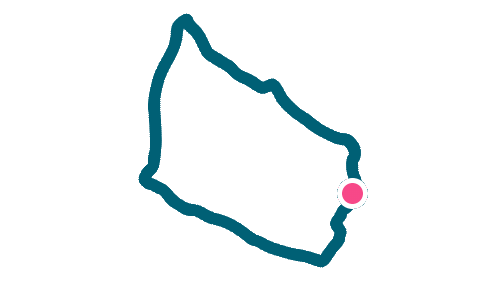
Svenskehavn lies directly on the hiking route between Nexø and Årsdale, a protected coastal stretch known for its wild nature, rocky terrain, shrubs, coastal meadows and views over the Baltic Sea. The trail makes the cove a natural stop on the walk, offering viewpoints and a calm atmosphere along the coastline.
With its rugged nature, historical traces and position on one of Bornholm’s scenic coastal trails, Svenskehavn is an atmospheric and authentic spot — far from the island’s more visited beaches and harbour environments.