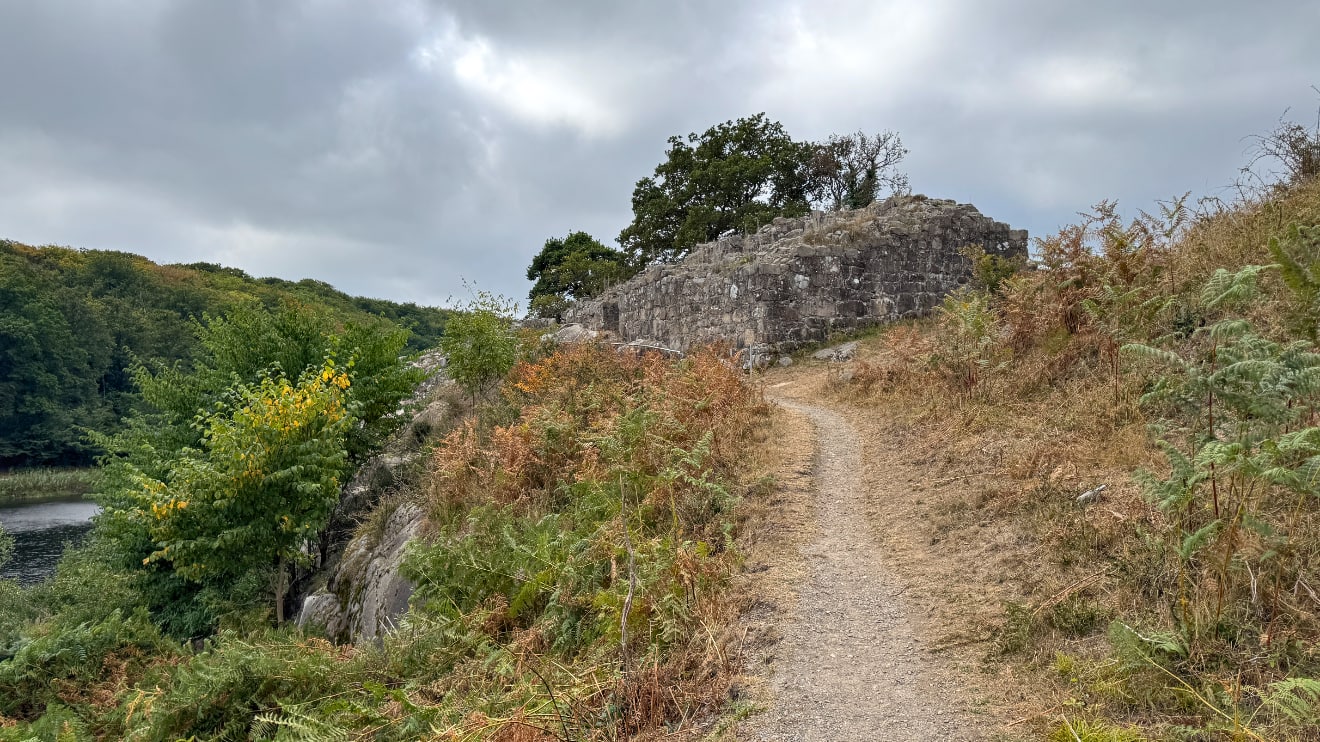
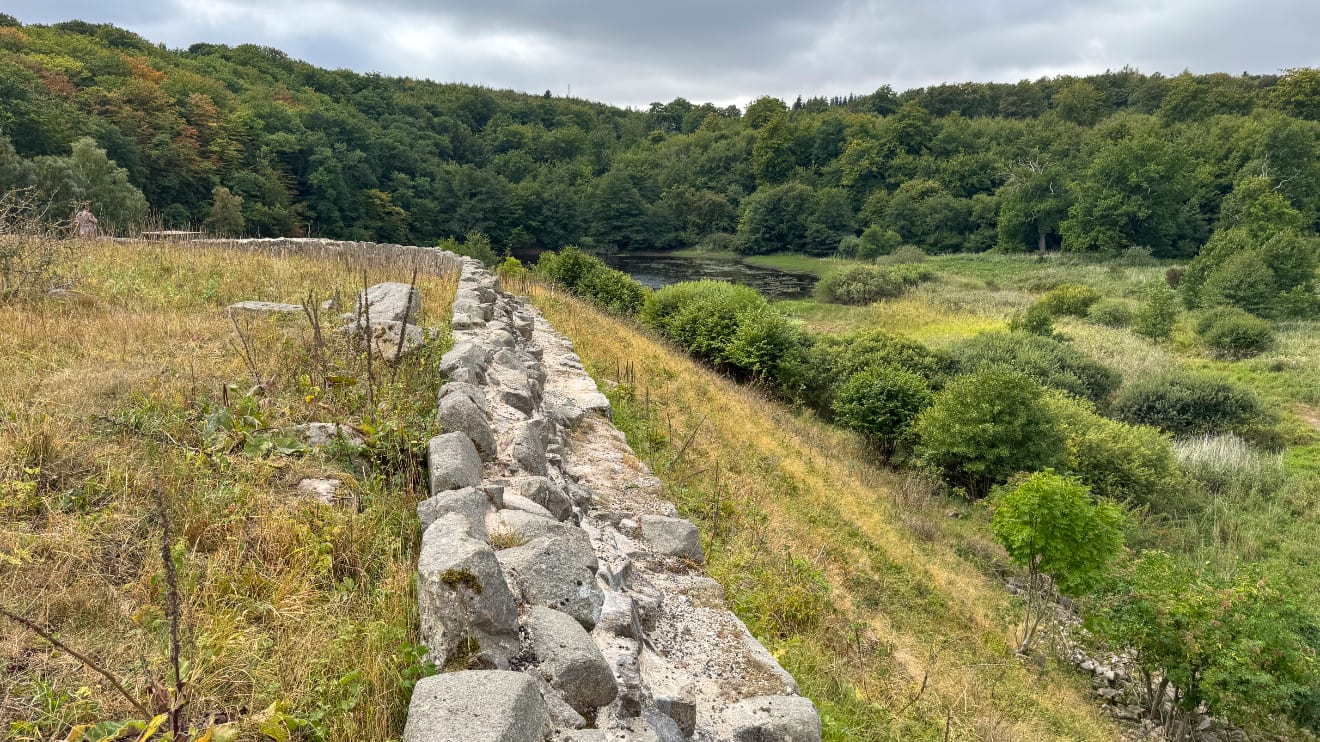
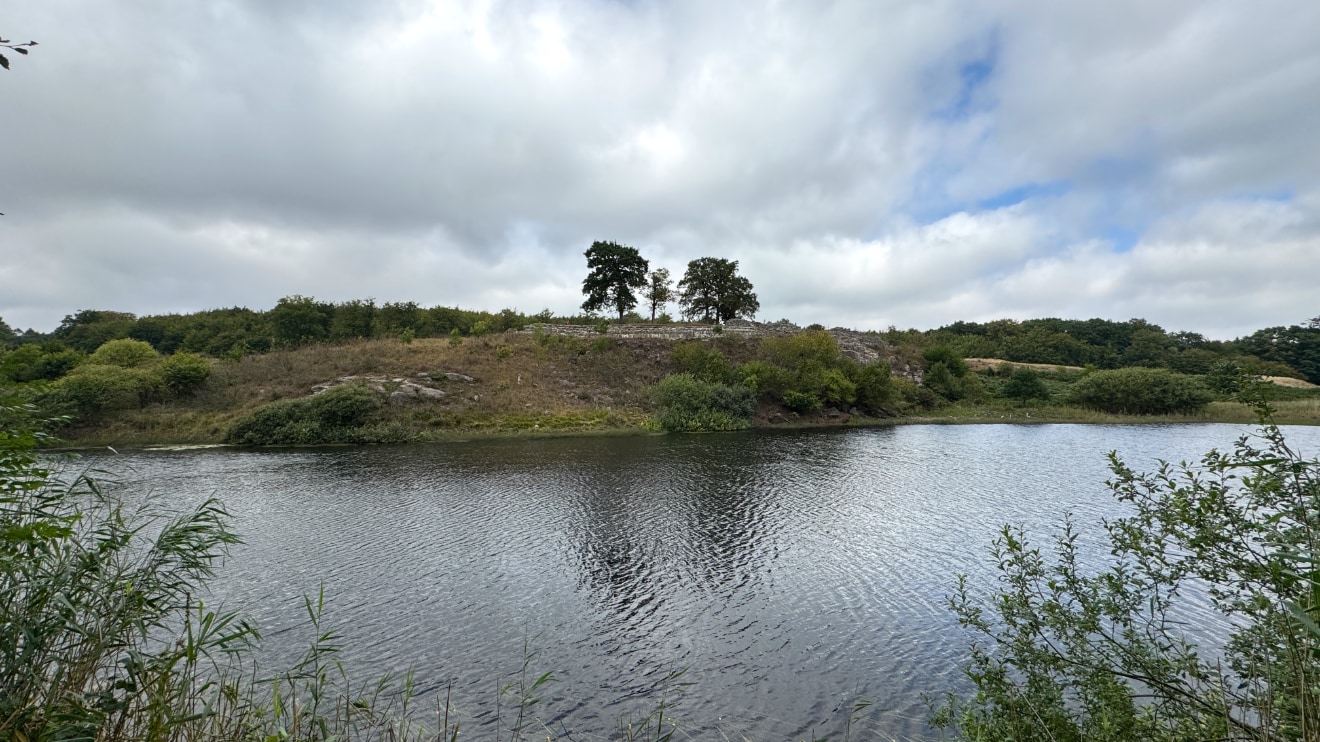
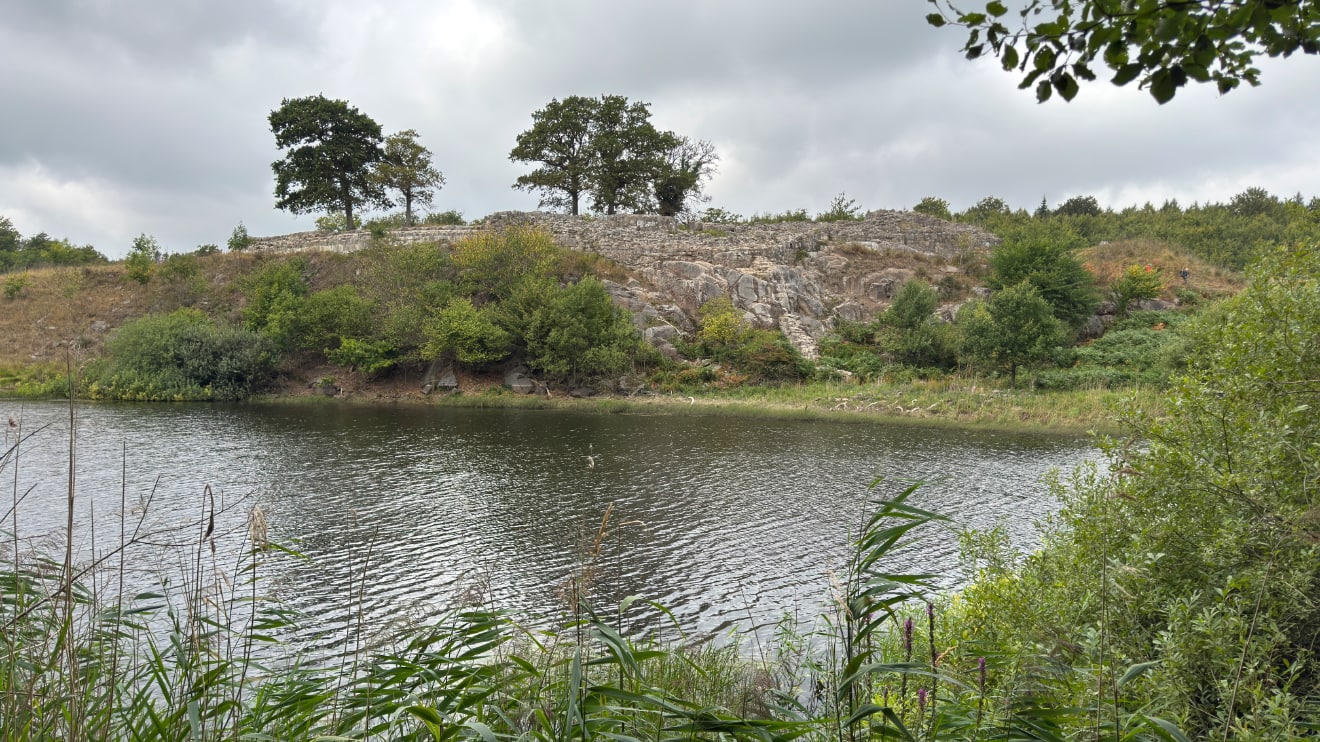
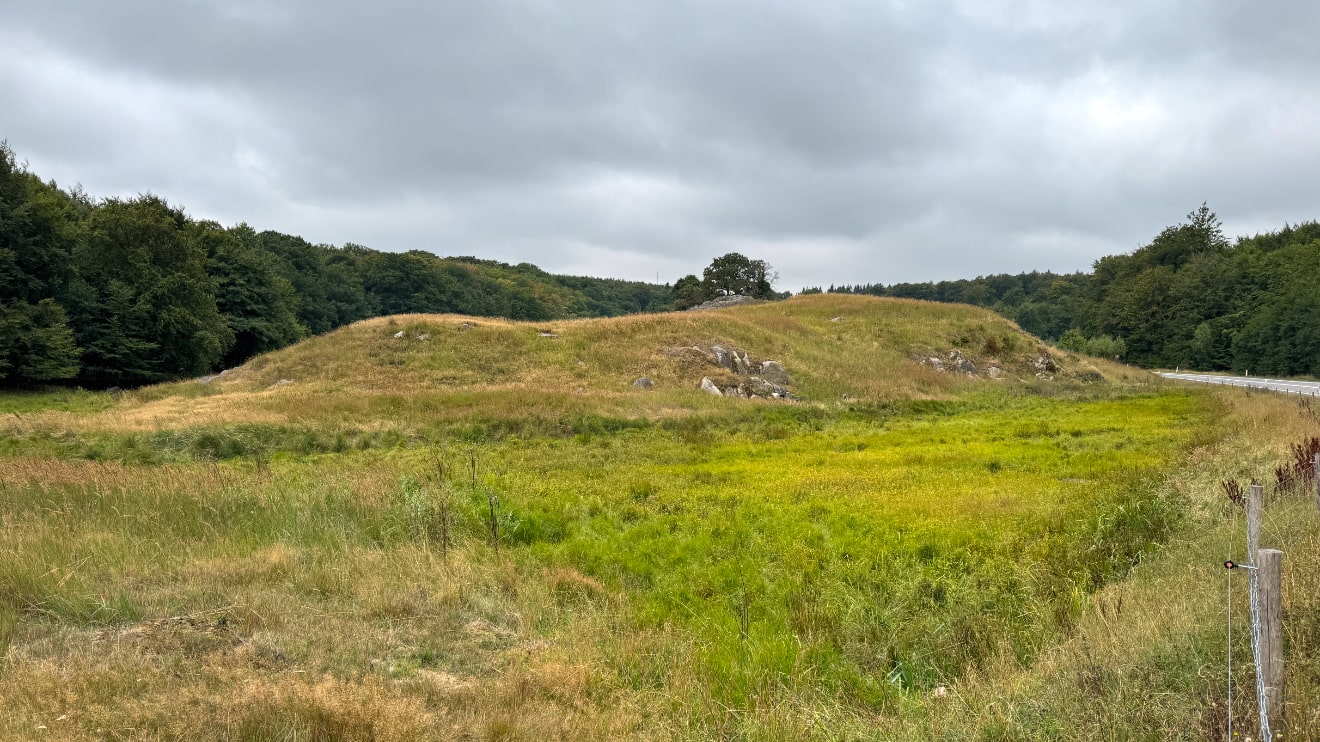
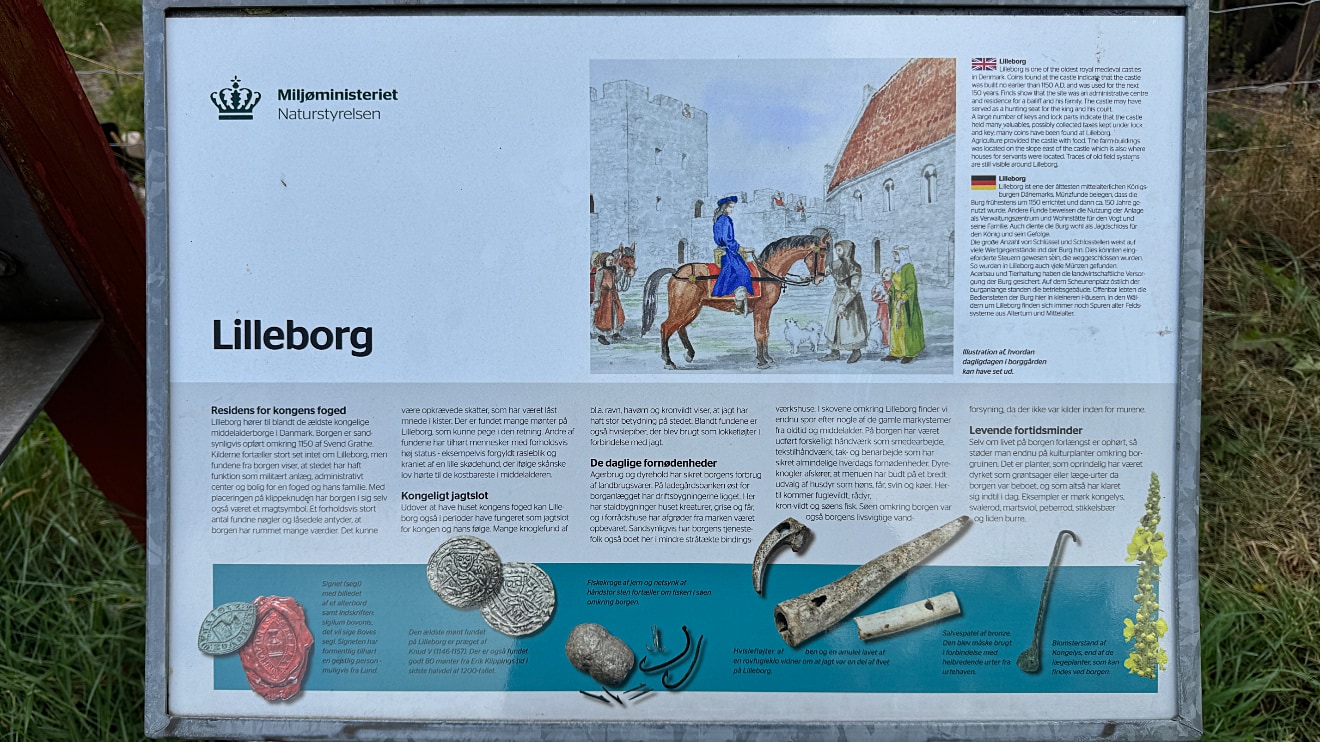
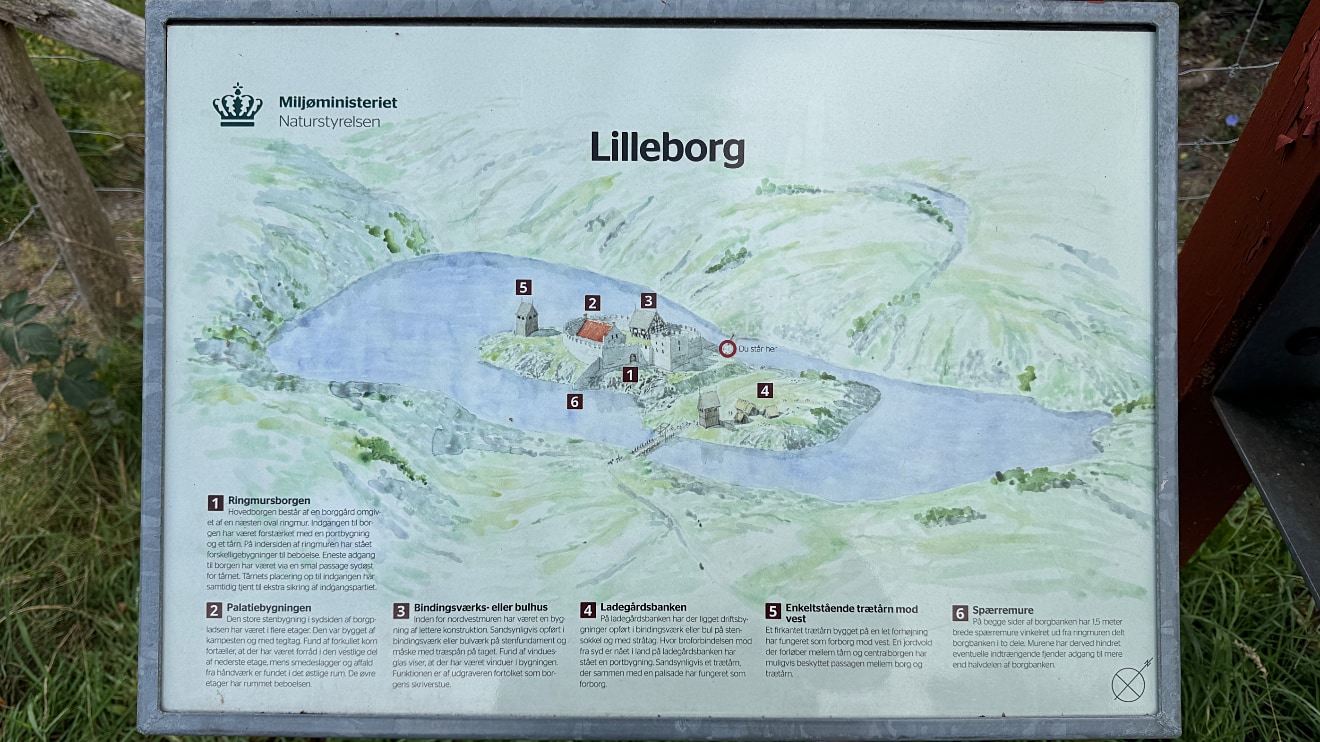
Lilleborg is a medieval castle ruin located on a 16-meter-high rocky hill in the middle of Almindingen forest on Bornholm. The ruin is surrounded by the partially dried-up Borresø, which in its time made the castle strategically difficult to attack. Lilleborg was built as a replacement for the older and larger Gamleborg castle, which was nearby. While Gamleborg was a large, open castle, Lilleborg was only one-tenth of its size but far better protected due to its location in the middle of the lake, with access via a narrow land bridge. The castle was established as the king’s power base on Bornholm after King Svend Grathe ceded three of the island’s districts to the archbishop in 1149 and retained the western district, where Lilleborg was located. This took place as part of the power struggles that characterized the relationship between the Danish monarchy and the Church in the Middle Ages.
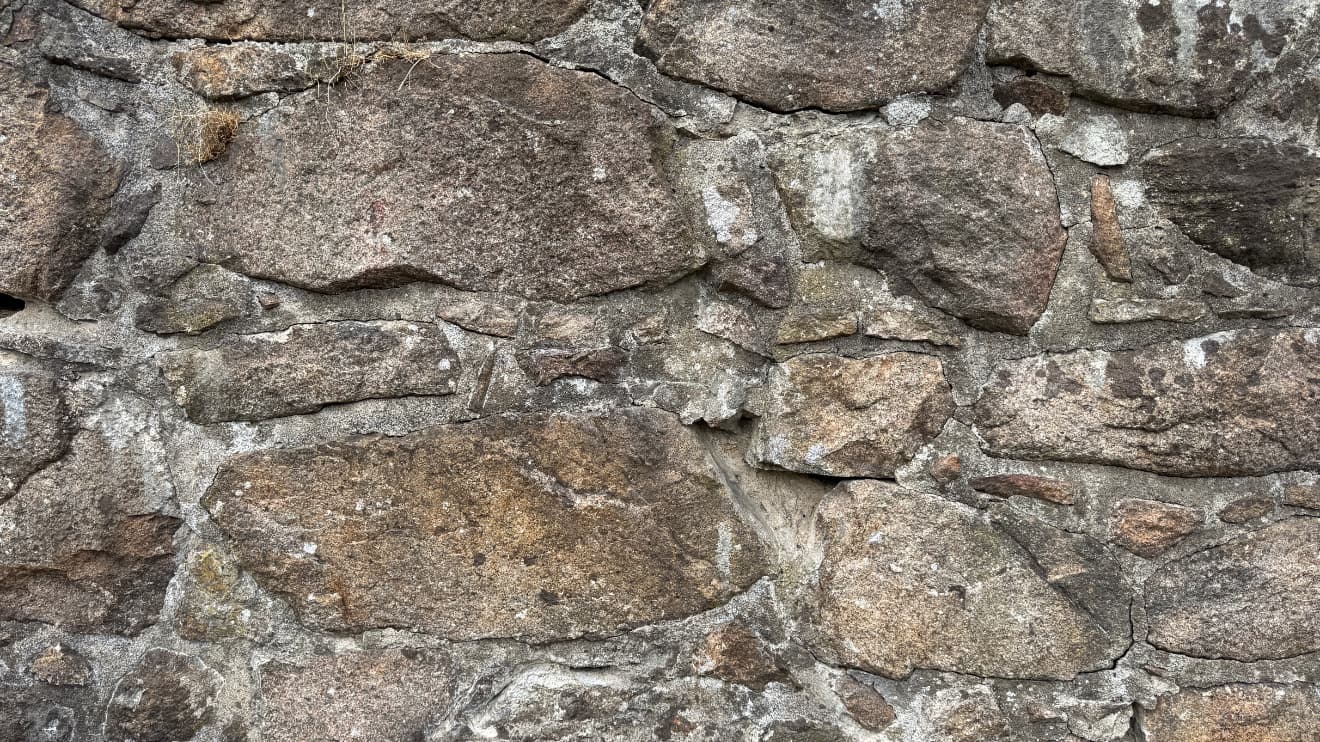
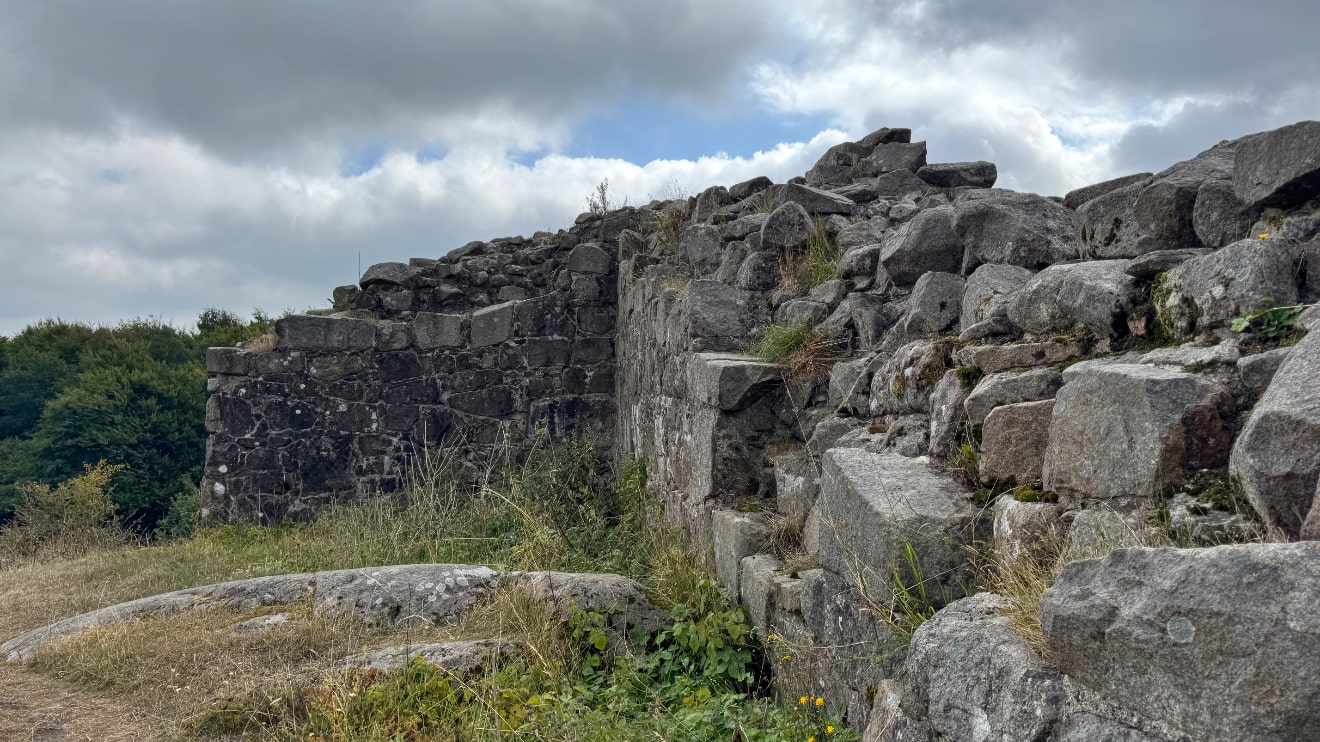
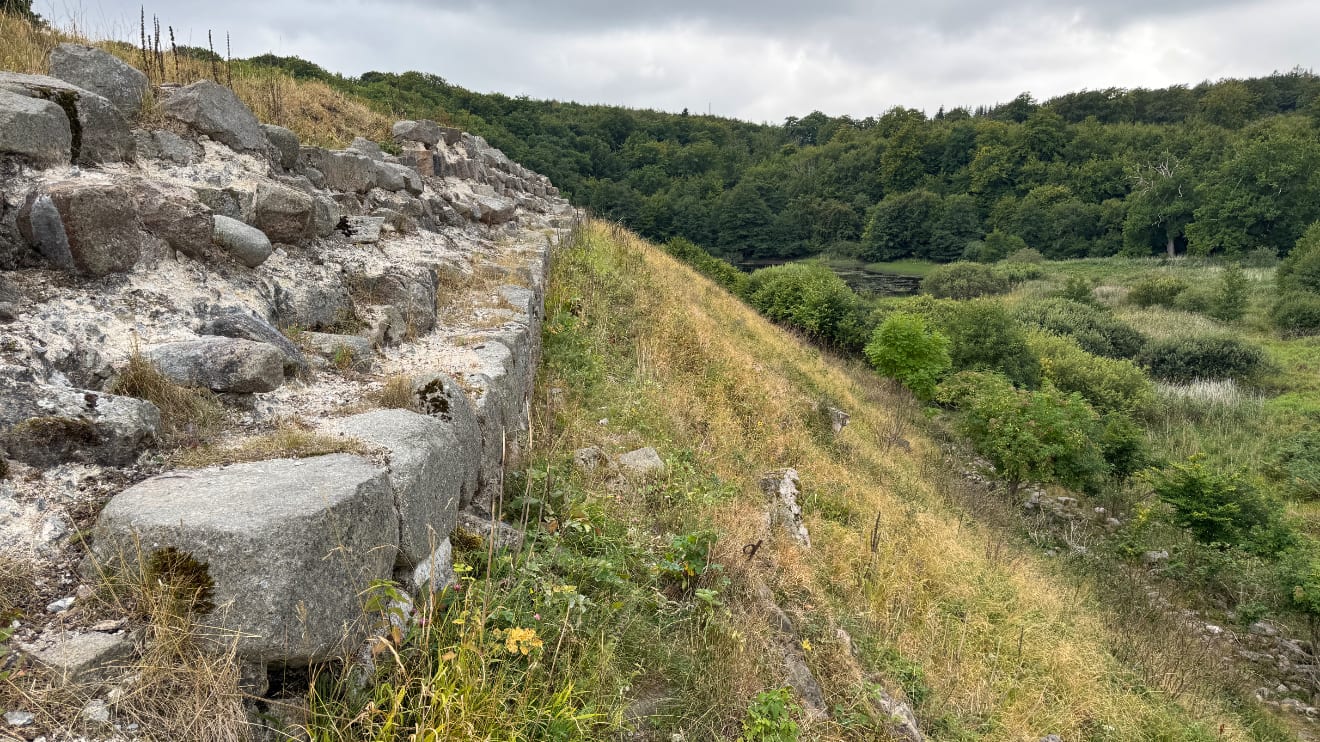
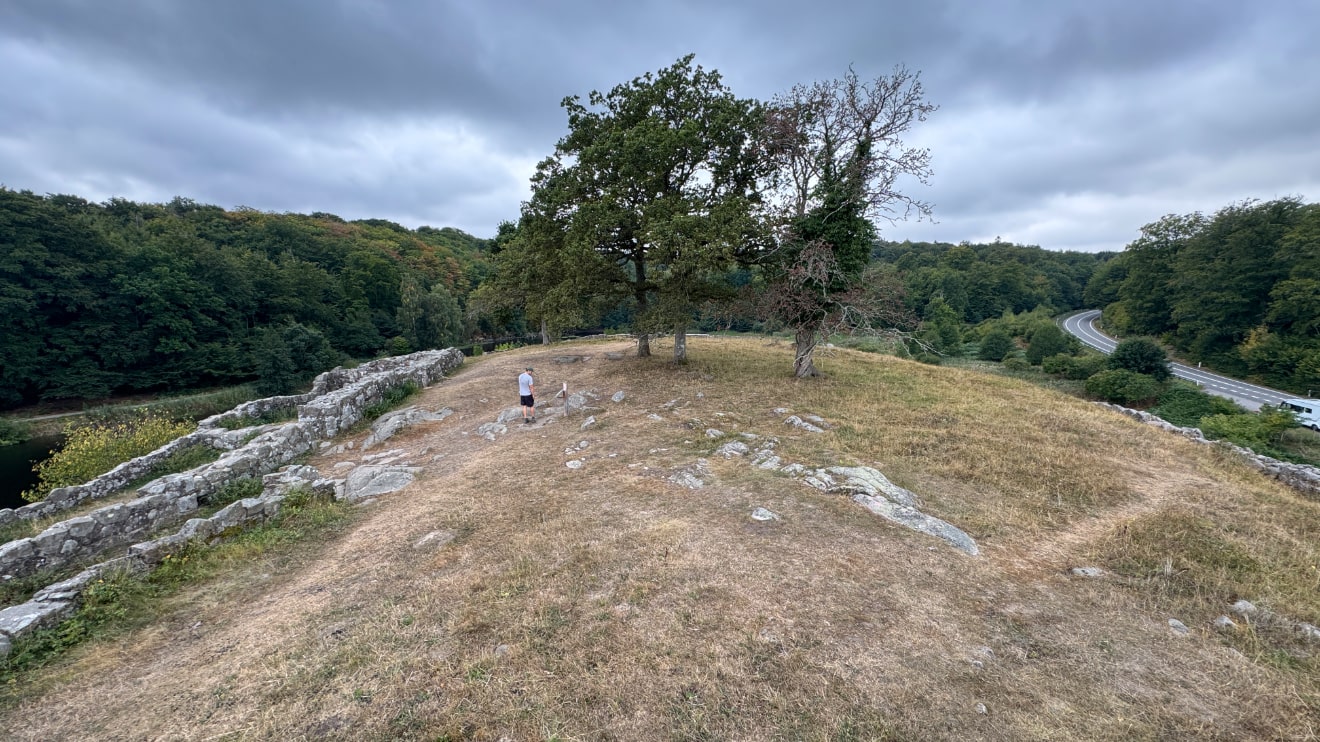
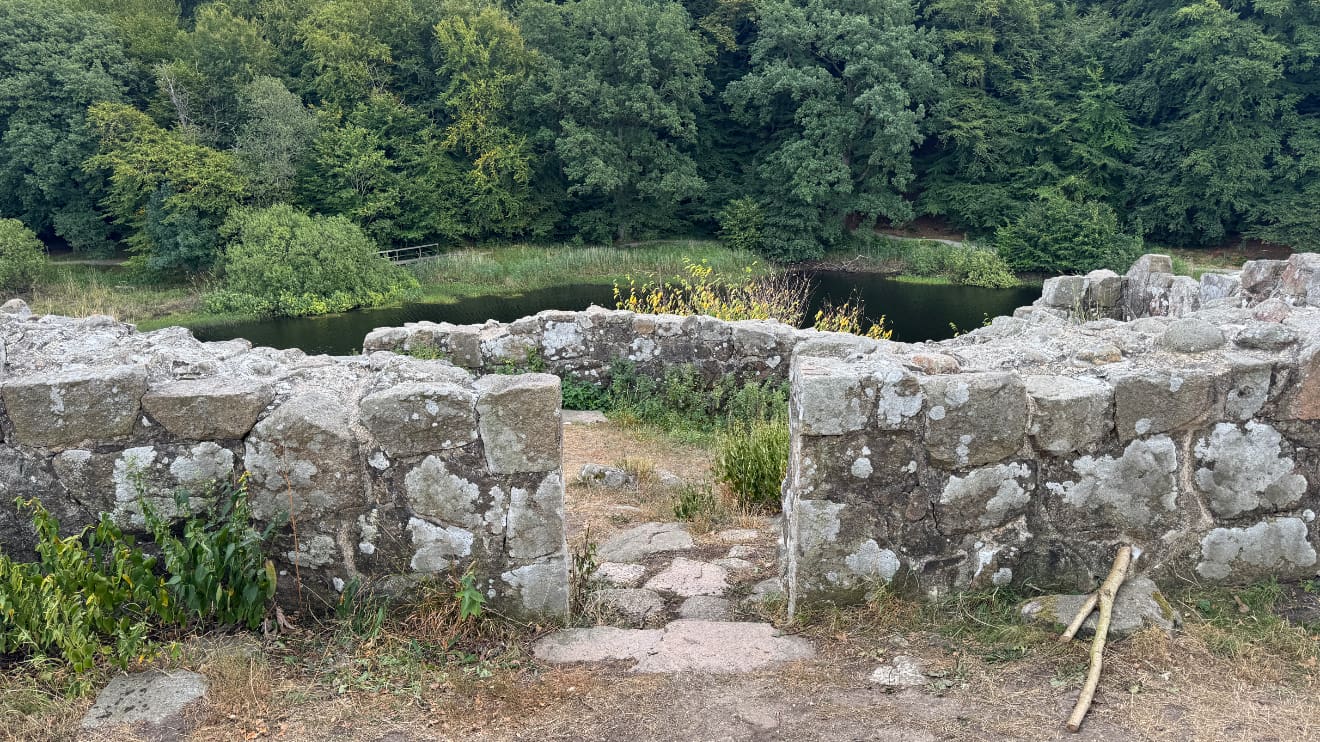
Lilleborg was surrounded by a strong ring wall, and remnants of the tower’s foundations and masonry can still be seen today. Archaeological excavations have shown that the area was inhabited long before the Middle Ages, and new findings suggest that there was activity on the site as far back as the Iron Age. The castle was captured in 1259 by Archbishop Jakob Erlandsen’s brother, after which the Church took control of all of Bornholm. This marked a shift in the island’s history, where Hammershus later became the archbishop’s main castle.
The area around Lilleborg is not only historically interesting but also scenic. Here, rare plants and a rich variety of wildlife thrive in the protected forest of Almindingen. The castle ruin is a popular excursion destination for both history enthusiasts and nature lovers. The site is easily accessible and lies close to hiking trails, including Højlyngsstien, which connects the natural areas of central Bornholm. From the rocky hill, there is a fantastic view over Almindingen and Borresø, making Lilleborg an ideal place for a combination of history, nature, and hiking.