Explore The west coast

Vestkysten
The west coast

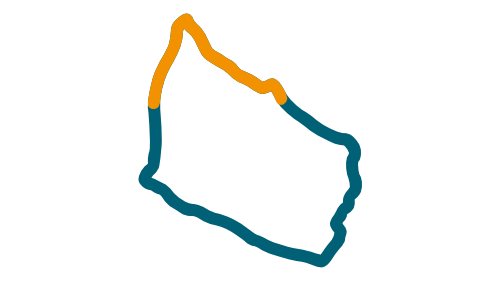
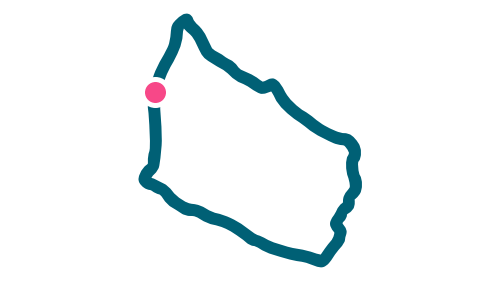
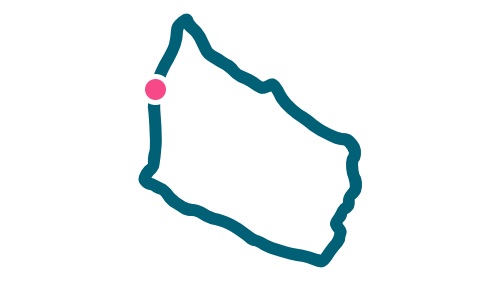
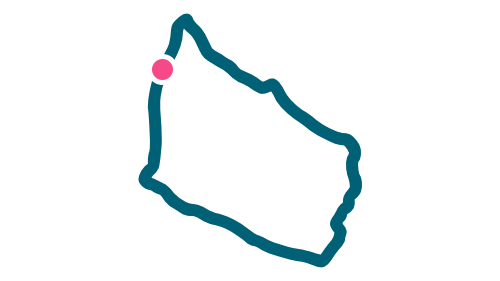
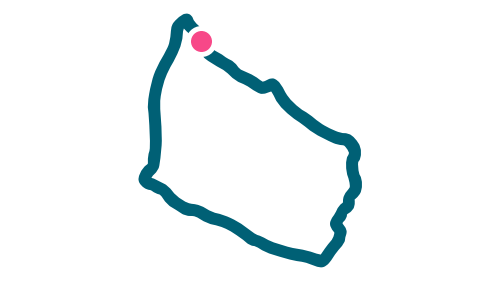
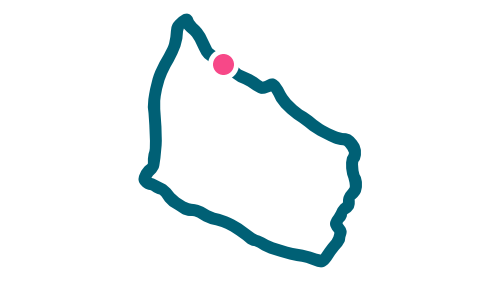
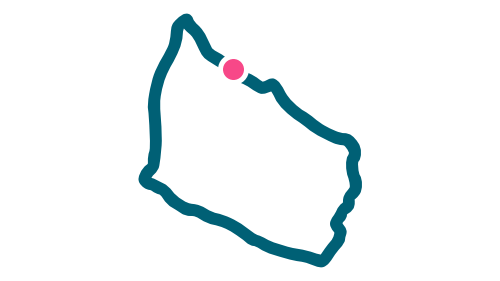
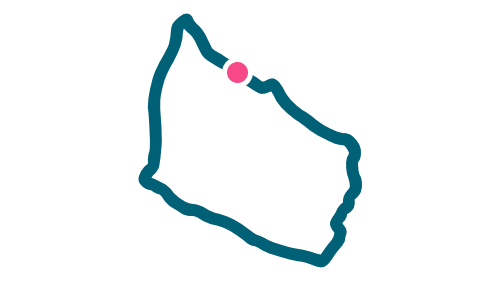
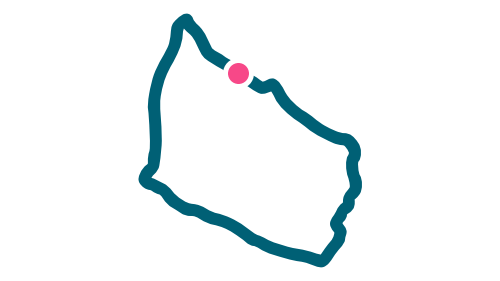
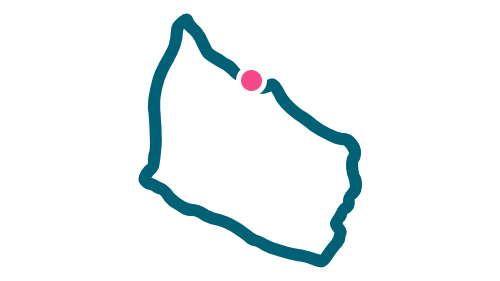
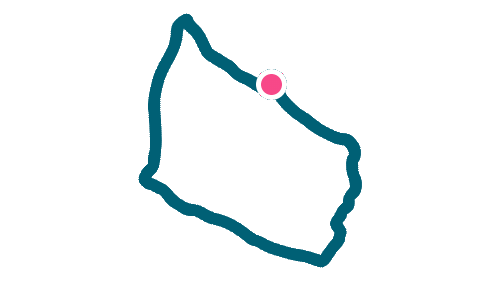
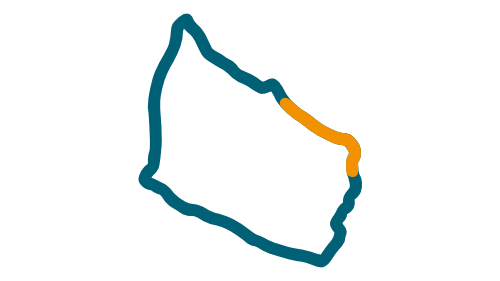
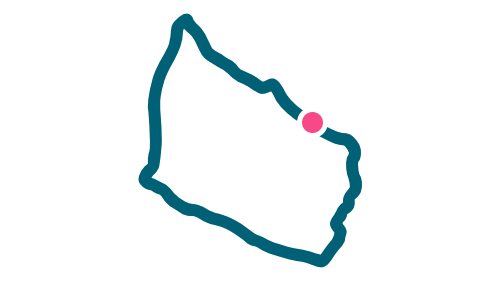
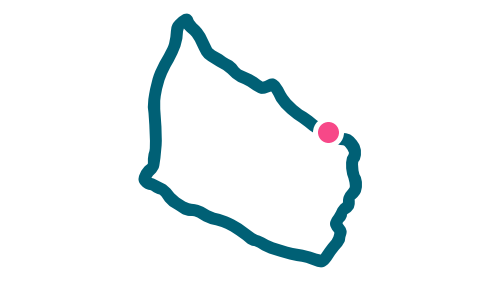
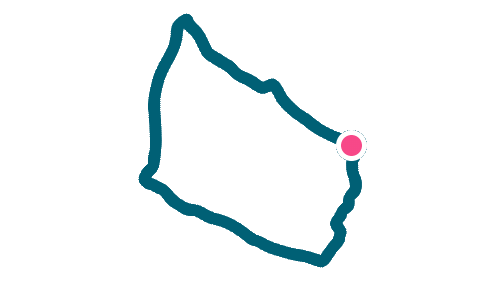
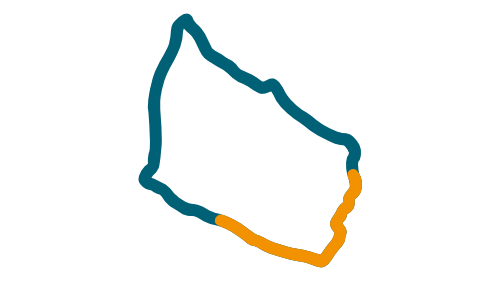
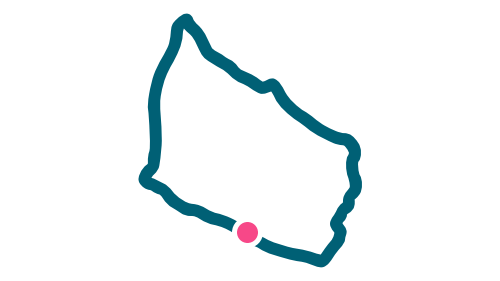
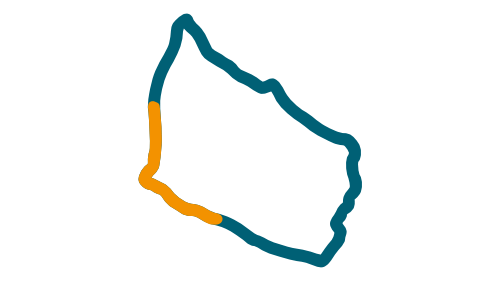
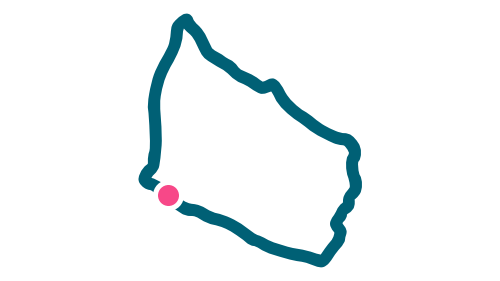
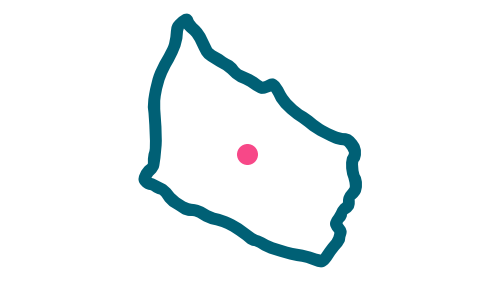
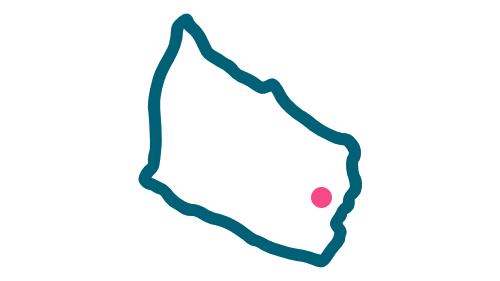
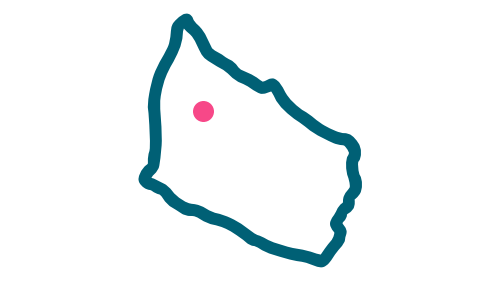
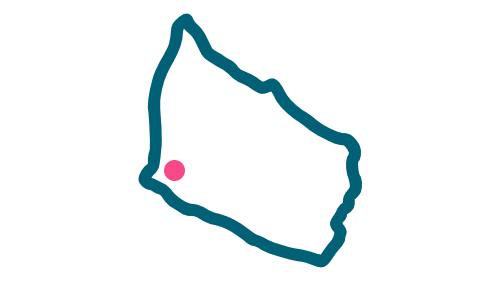
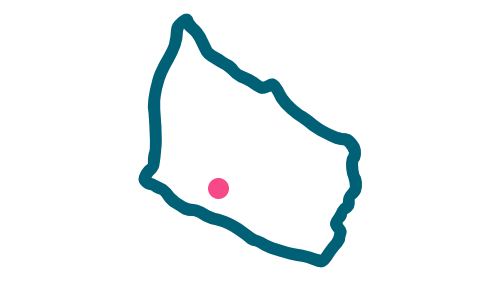
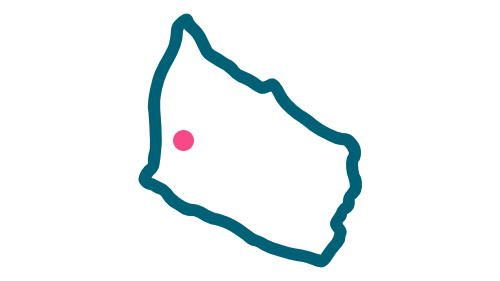
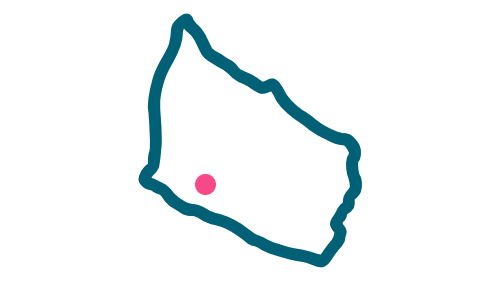
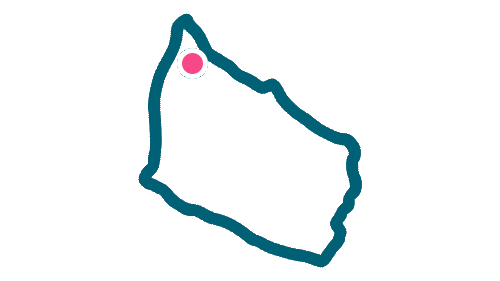
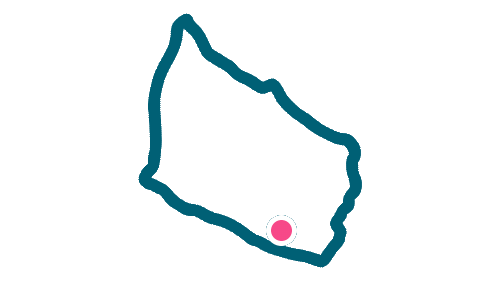
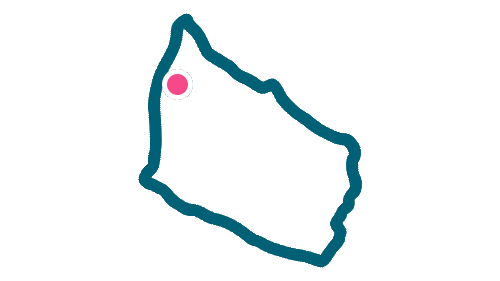
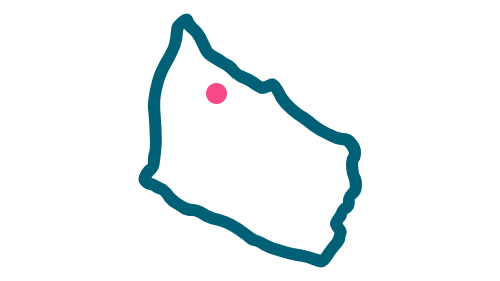
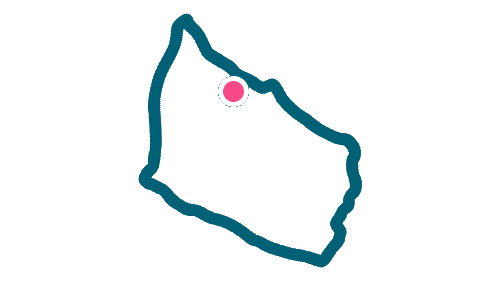
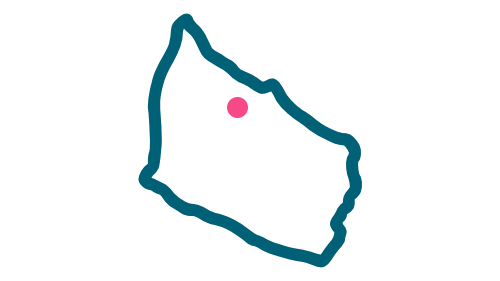
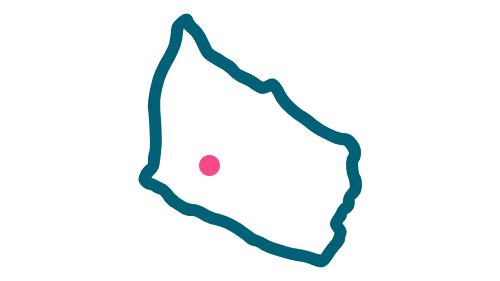
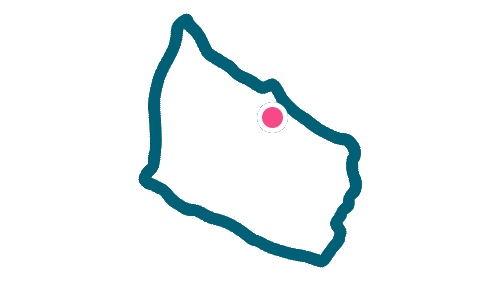
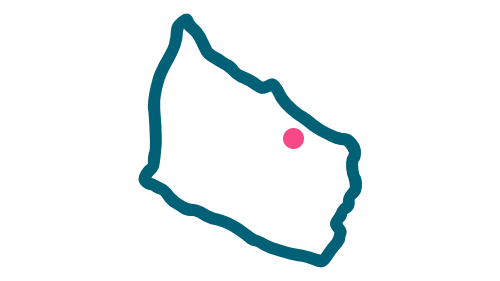
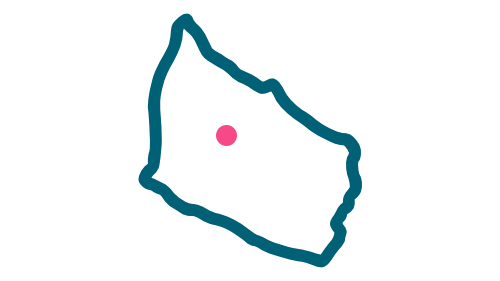
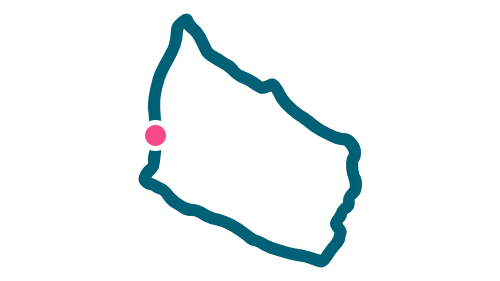
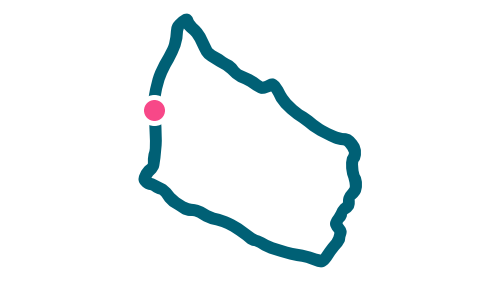
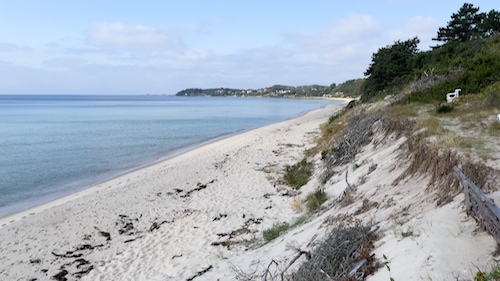
The West Coast covers the stretch of coastline from Sose in the south to Hasle in the north, with Rønne located centrally along the coast. The area includes the island’s largest town, smaller coastal towns, as well as beaches and natural areas along the shoreline.

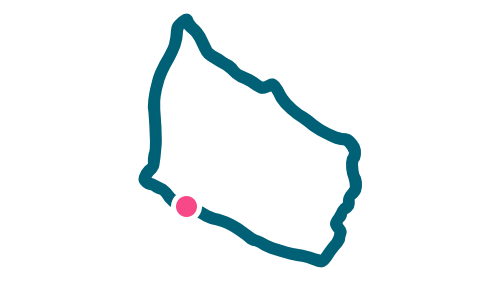
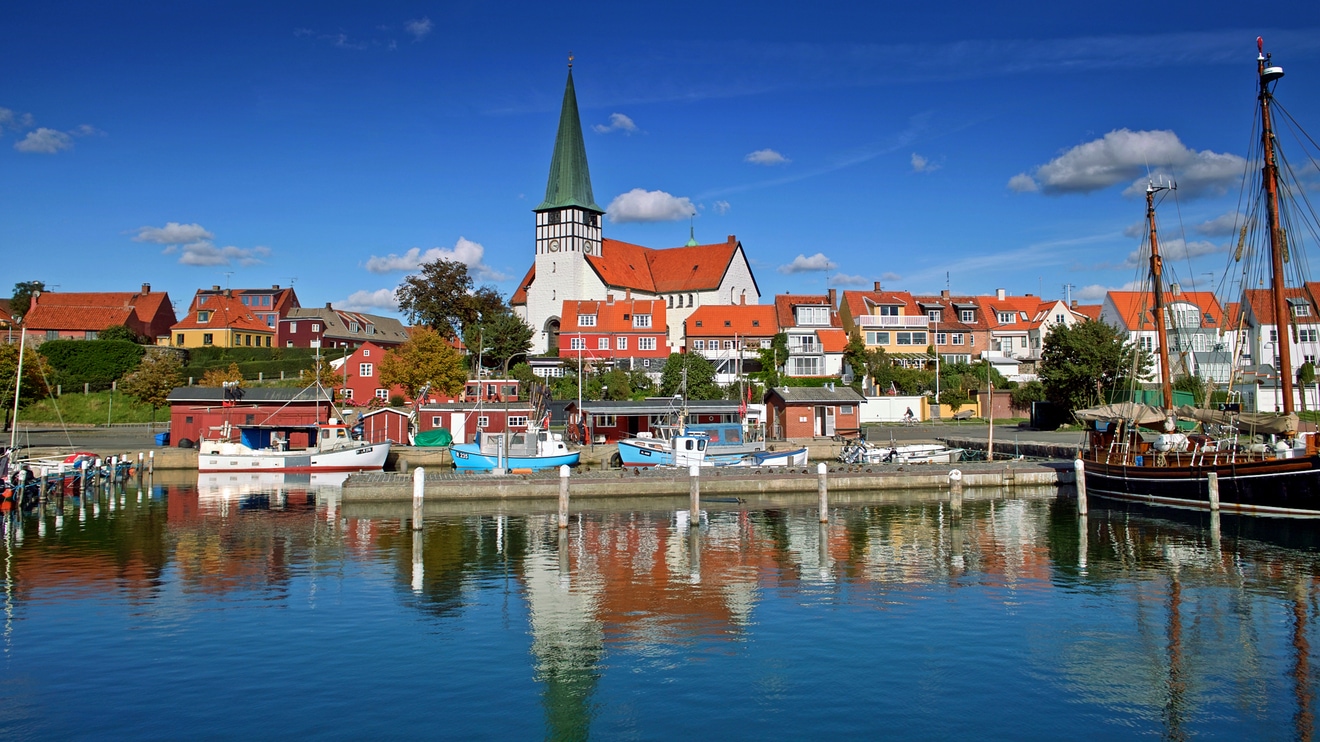
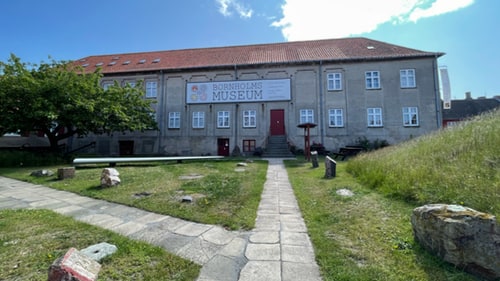
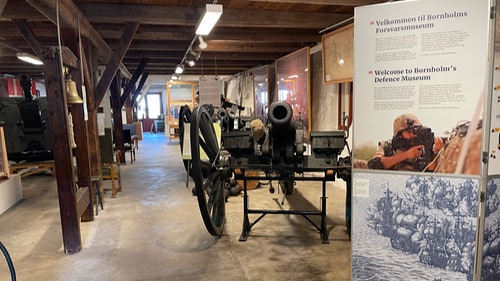
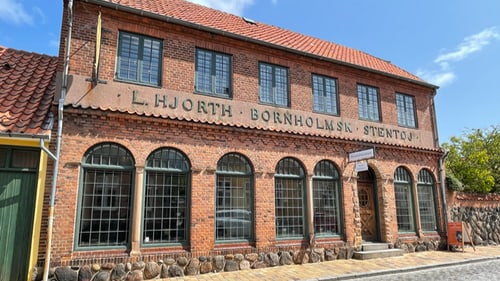
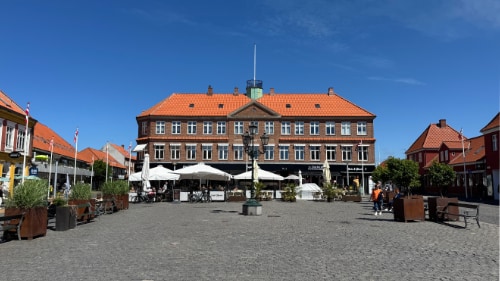
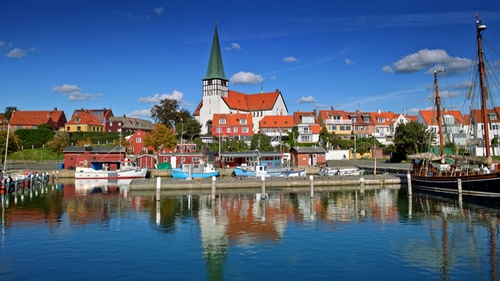
Rønne is Bornholm’s largest town and a natural hub during a stay on the island – also for visitors who are based elsewhere. This is where Bornholms Museum is located, along with several other cultural institutions, theatres and venues. The town centre and harbour area offer many craftspeople and a varied selection of shops, and the old town with cobbled streets and well-preserved houses makes it pleasant to explore on foot. At the same time, there are beaches both north and south of Rønne, which are often combined with visits to the town.

South of Rønne lies Arnager, a small coastal town with a harbour and a long wooden pier extending into the sea, which is a distinctive feature of the area. Arnager has a calm atmosphere and is often used as a destination for short trips or swimming during stays along the West Coast.

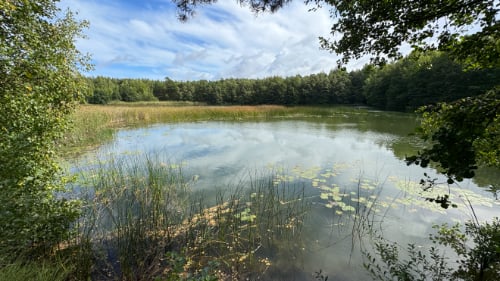
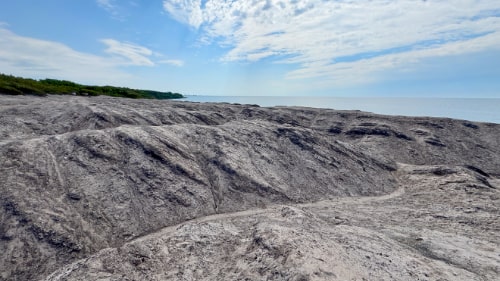
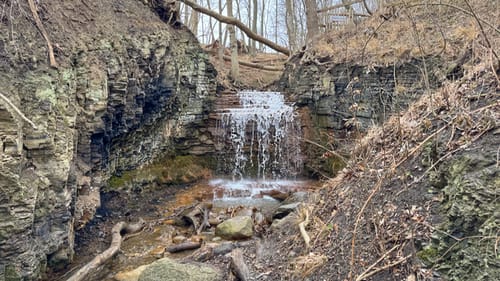
North of Rønne, the landscape gradually changes on the way to Hasle. This stretch includes forested areas, coastline and clear traces of Bornholm’s industrial history, including the area around Hasle Klinker and the lakes formed after earlier clay extraction. Today, the area is used for walking and cycling and is experienced as a varied coastal landscape between the towns.

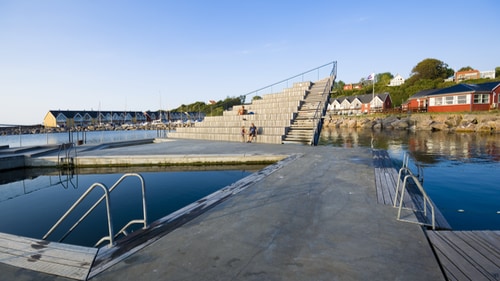
Hasle marks the northern end of the West Coast as a pleasant harbour town. Historically shaped by fishing and industry, the harbour today functions more as a leisure area with a beach, harbour bath and places to spend time by the water. Hasle forms a calm complement to Rønne’s more lively urban environment.
The West Coast covers the stretch of coastline from Sose in the south to Hasle in the north, with Rønne located centrally along the coast. The area includes the island’s largest town, smaller coastal towns, as well as beaches and natural areas along the shoreline.

Rønne is Bornholm’s largest town and a natural hub during a stay on the island – also for visitors who are based elsewhere. This is where Bornholms Museum is located, along with several other cultural institutions, theatres and venues. The town centre and harbour area offer many craftspeople and a varied selection of shops, and the old town with cobbled streets and well-preserved houses makes it pleasant to explore on foot. At the same time, there are beaches both north and south of Rønne, which are often combined with visits to the town.

South of Rønne lies Arnager, a small coastal town with a harbour and a long wooden pier extending into the sea, which is a distinctive feature of the area. Arnager has a calm atmosphere and is often used as a destination for short trips or swimming during stays along the West Coast.

North of Rønne, the landscape gradually changes on the way to Hasle. This stretch includes forested areas, coastline and clear traces of Bornholm’s industrial history, including the area around Hasle Klinker and the lakes formed after earlier clay extraction. Today, the area is used for walking and cycling and is experienced as a varied coastal landscape between the towns.

Hasle marks the northern end of the West Coast as a pleasant harbour town. Historically shaped by fishing and industry, the harbour today functions more as a leisure area with a beach, harbour bath and places to spend time by the water. Hasle forms a calm complement to Rønne’s more lively urban environment.
The West Coast covers the stretch of coastline from Sose in the south to Hasle in the north, with Rønne located centrally along the coast. The area includes the island’s largest town, smaller coastal towns, as well as beaches and natural areas along the shoreline.

Rønne is Bornholm’s largest town and a natural hub during a stay on the island – also for visitors who are based elsewhere. This is where Bornholms Museum is located, along with several other cultural institutions, theatres and venues. The town centre and harbour area offer many craftspeople and a varied selection of shops, and the old town with cobbled streets and well-preserved houses makes it pleasant to explore on foot. At the same time, there are beaches both north and south of Rønne, which are often combined with visits to the town.

South of Rønne lies Arnager, a small coastal town with a harbour and a long wooden pier extending into the sea, which is a distinctive feature of the area. Arnager has a calm atmosphere and is often used as a destination for short trips or swimming during stays along the West Coast.

North of Rønne, the landscape gradually changes on the way to Hasle. This stretch includes forested areas, coastline and clear traces of Bornholm’s industrial history, including the area around Hasle Klinker and the lakes formed after earlier clay extraction. Today, the area is used for walking and cycling and is experienced as a varied coastal landscape between the towns.

Hasle marks the northern end of the West Coast as a pleasant harbour town. Historically shaped by fishing and industry, the harbour today functions more as a leisure area with a beach, harbour bath and places to spend time by the water. Hasle forms a calm complement to Rønne’s more lively urban environment.
Explore points of interest