Rutsker Højlyng

Rustker Højlyng
Rutsker Højlyng

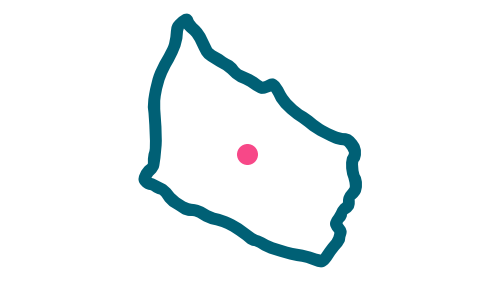
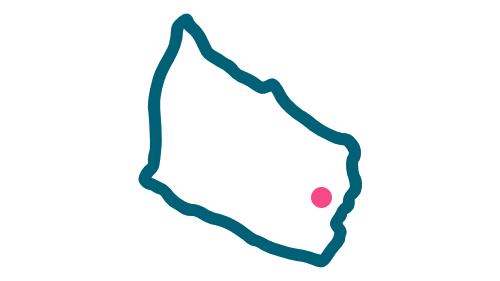
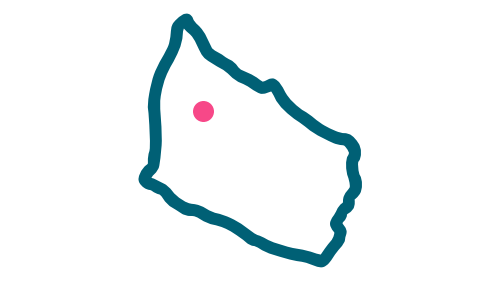
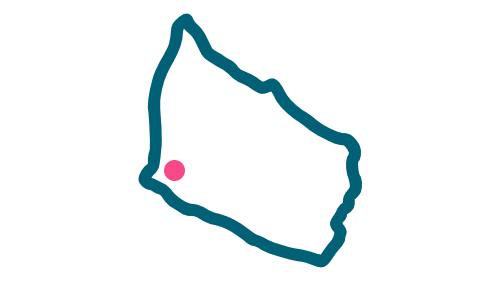
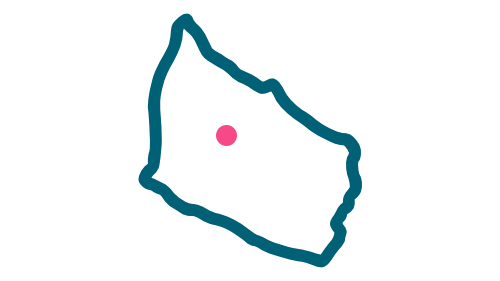
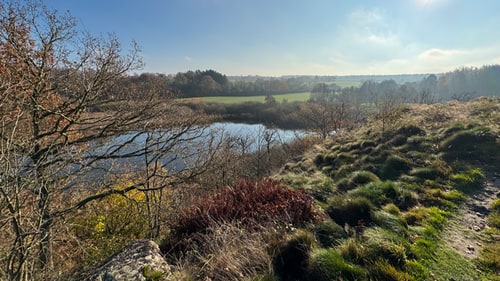
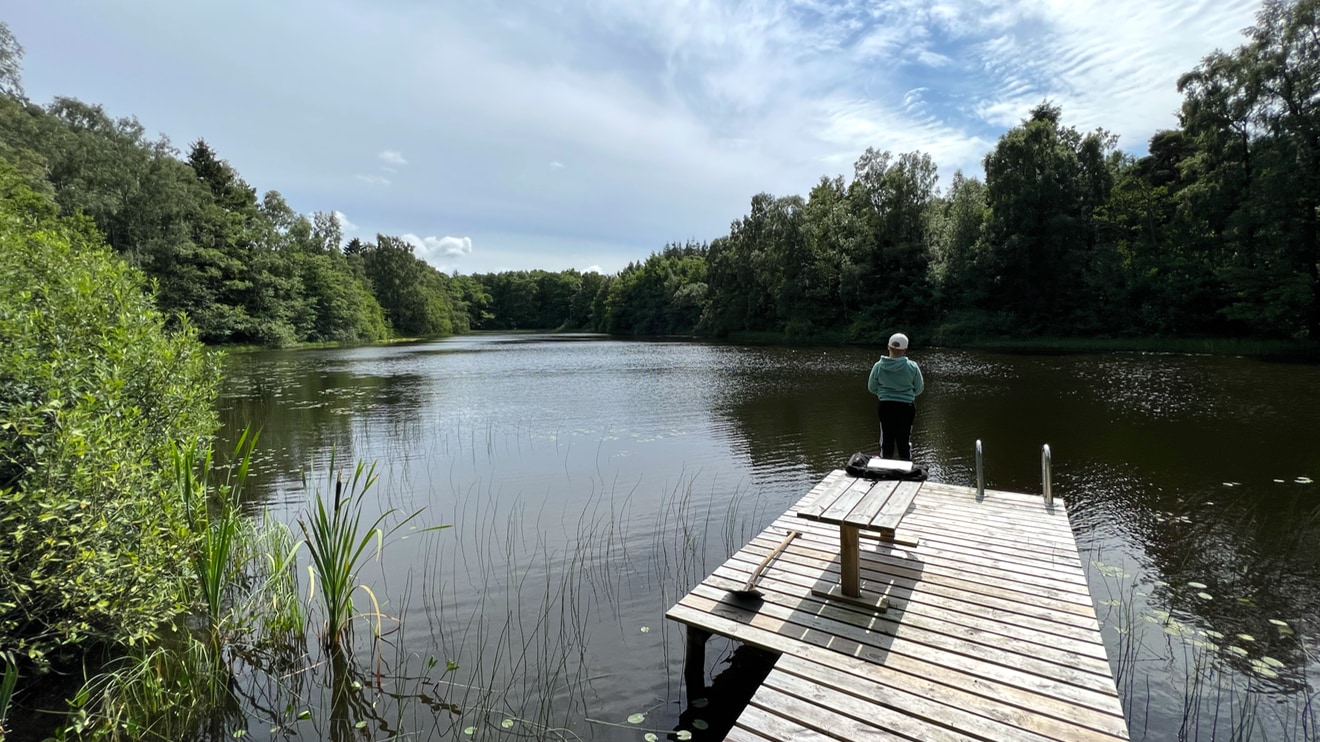
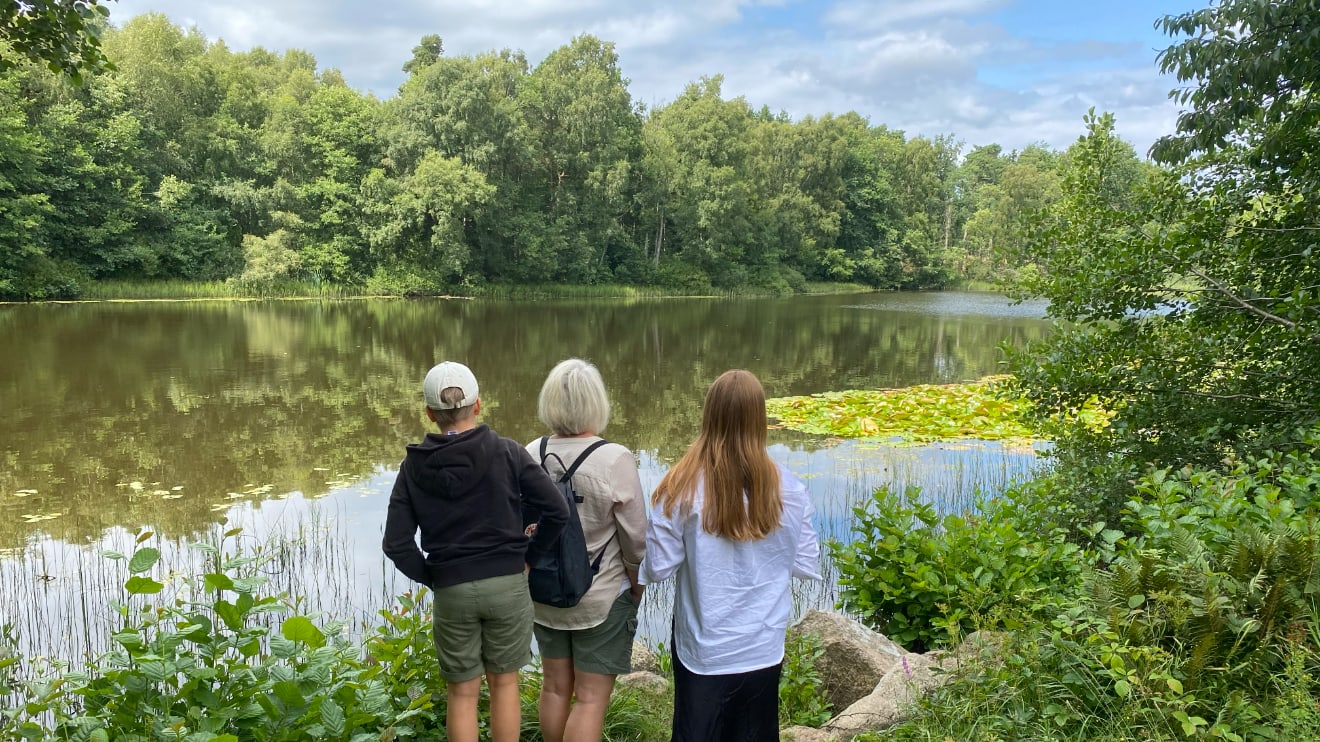
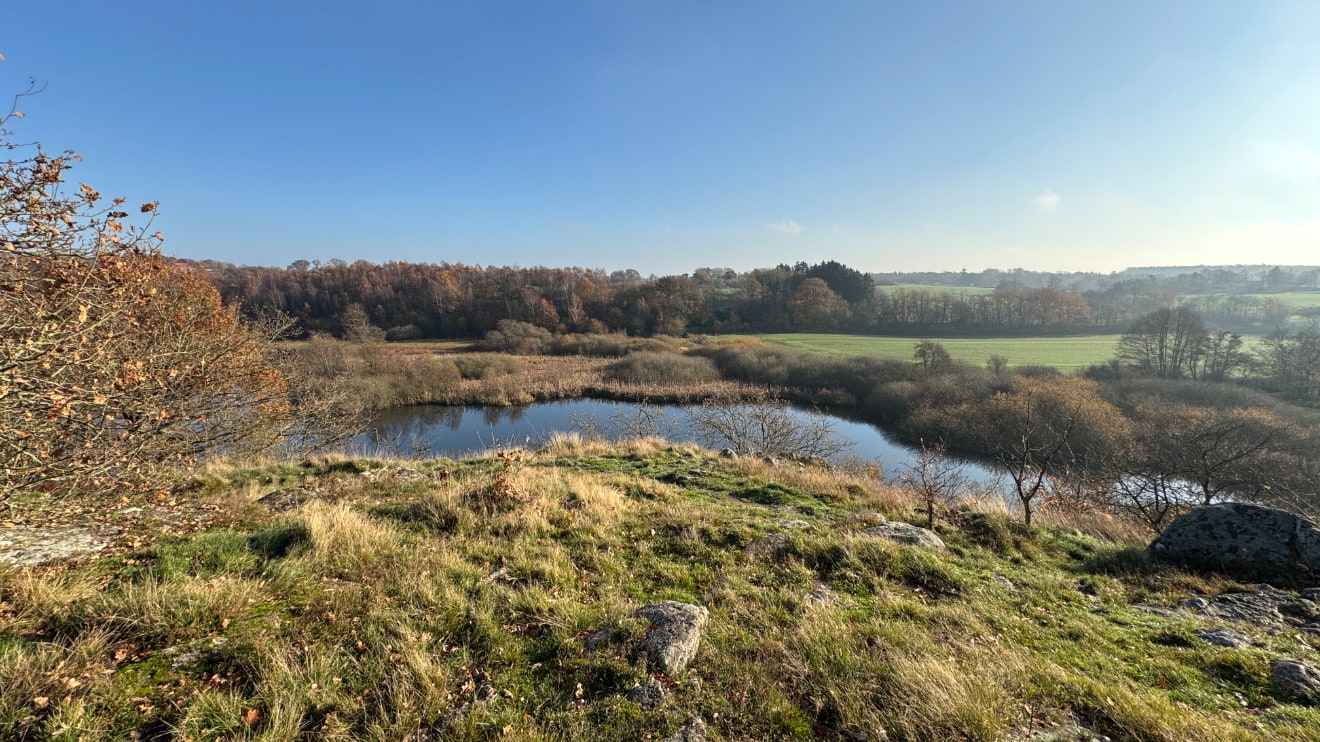
Rutsker Højlyng is a natural area in northern Bornholm that primarily consists of woodland and heather moorland. The area is located in the north-western part of the island and is one of the places on Bornholm where remnants of the formerly widespread heather moorland can still be seen, which was once used for sheep grazing. Rutsker Højlyng is regarded as a characteristic natural area that has historically been shaped by the natural growth of heather and its use as common grazing land.

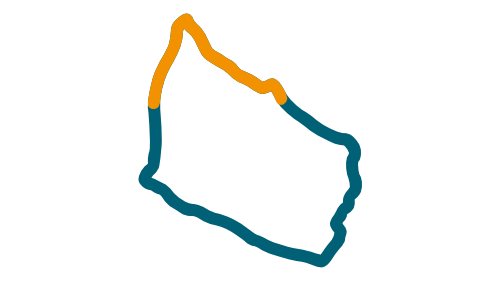
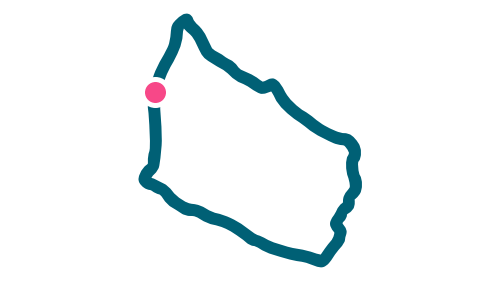
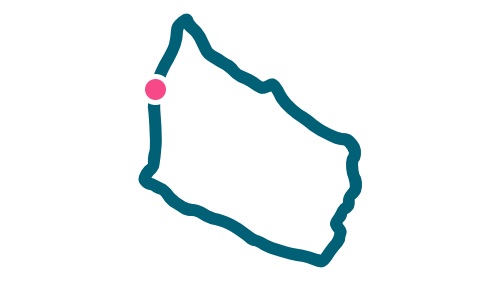
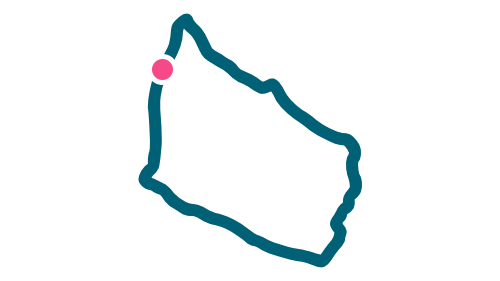
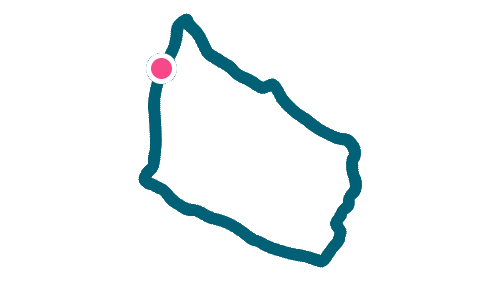
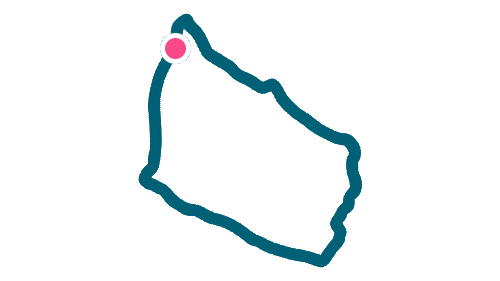
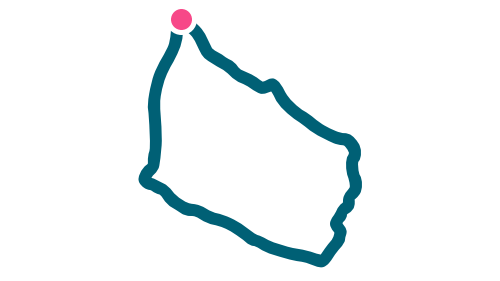
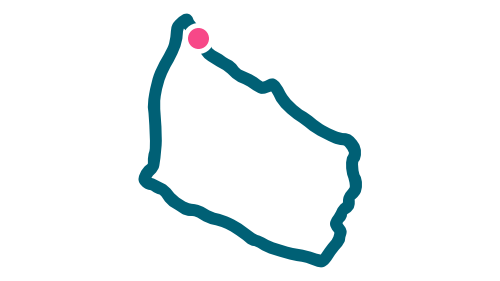
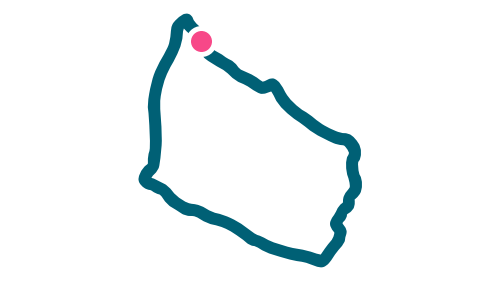
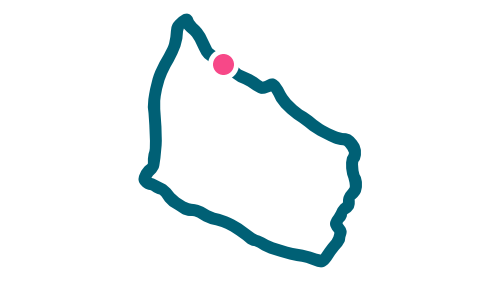
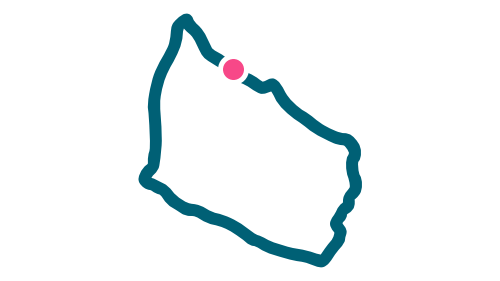
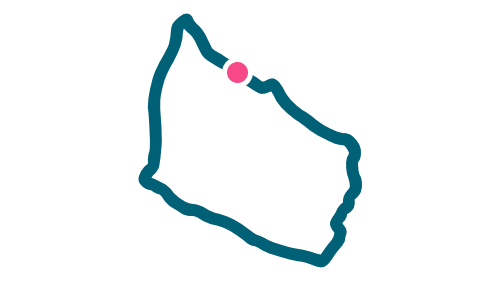
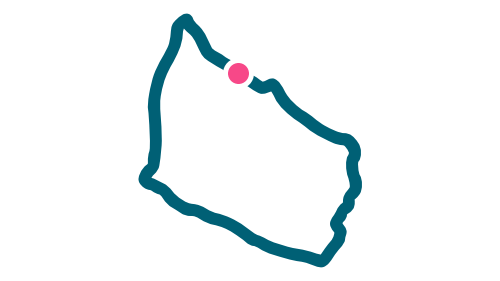
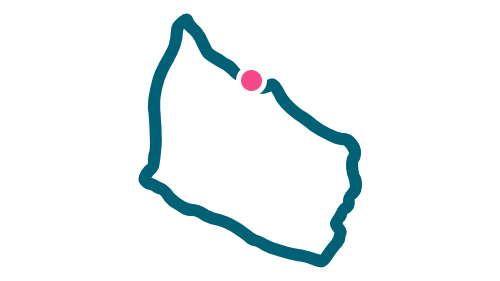
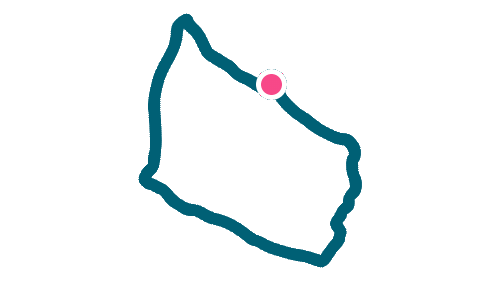
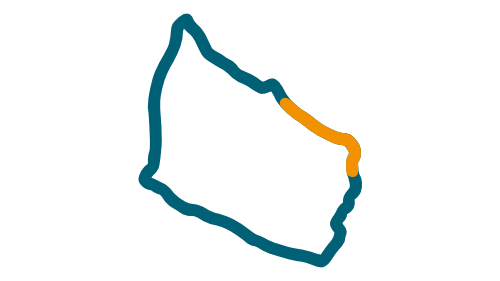
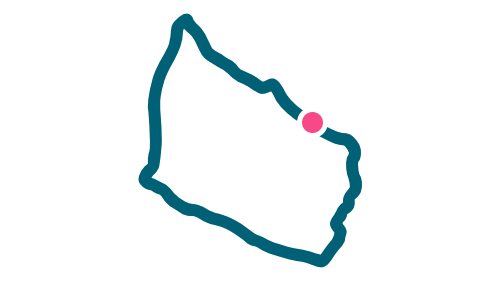
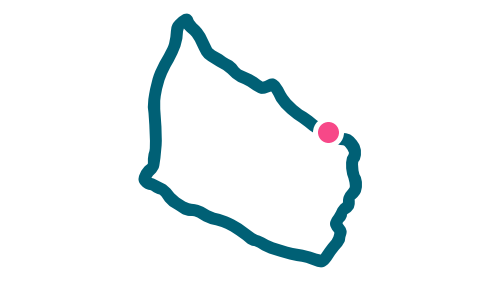
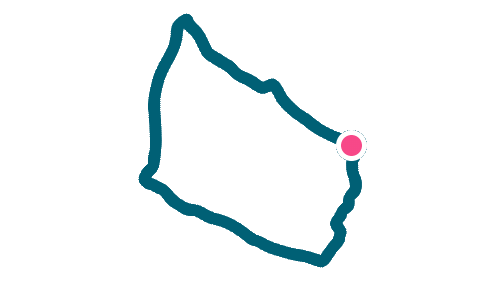
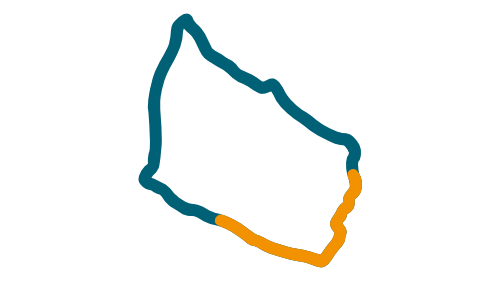
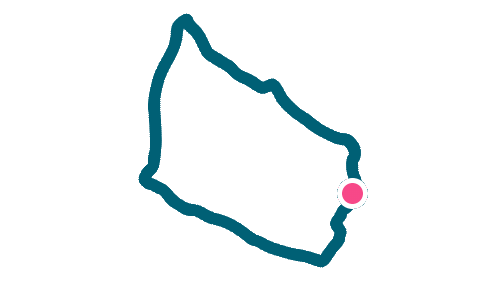
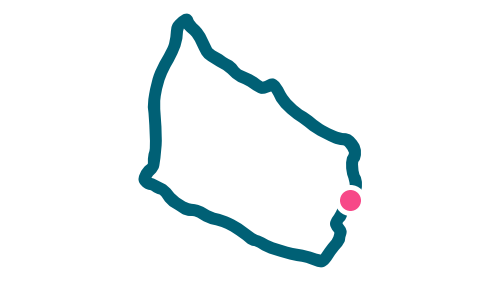
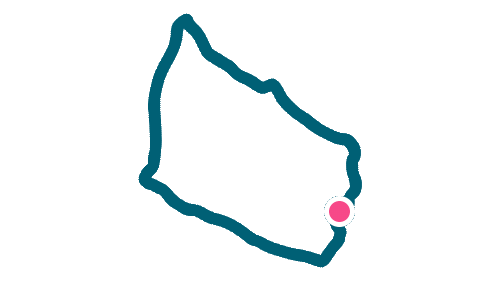
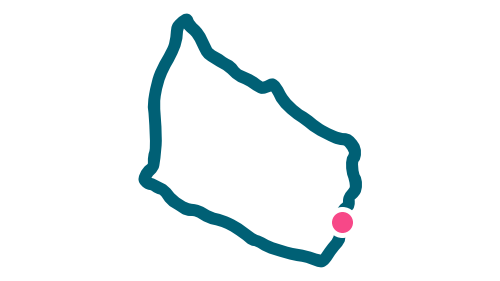
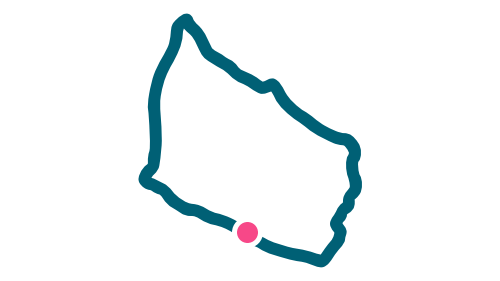
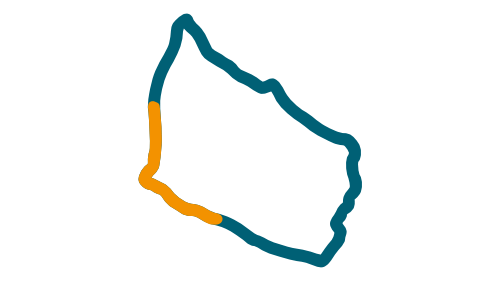
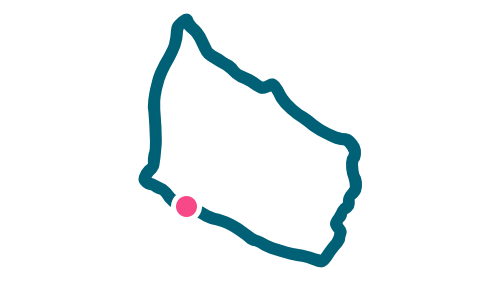
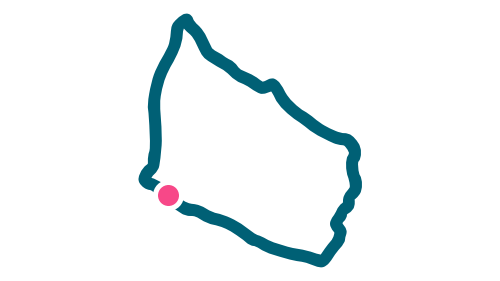
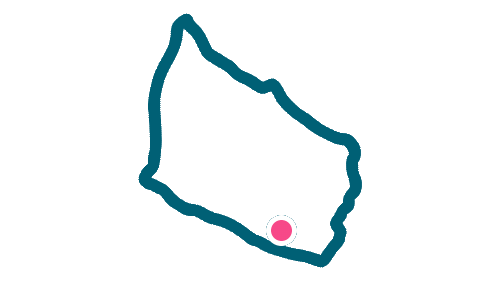
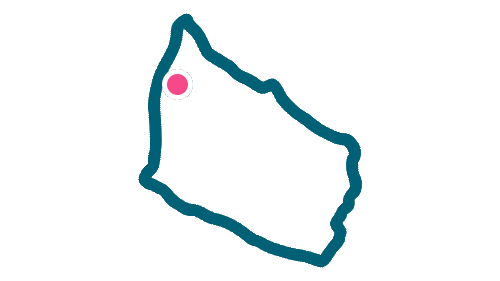
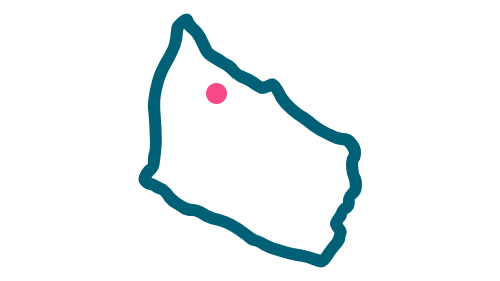
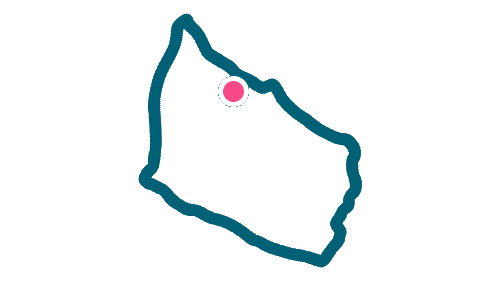
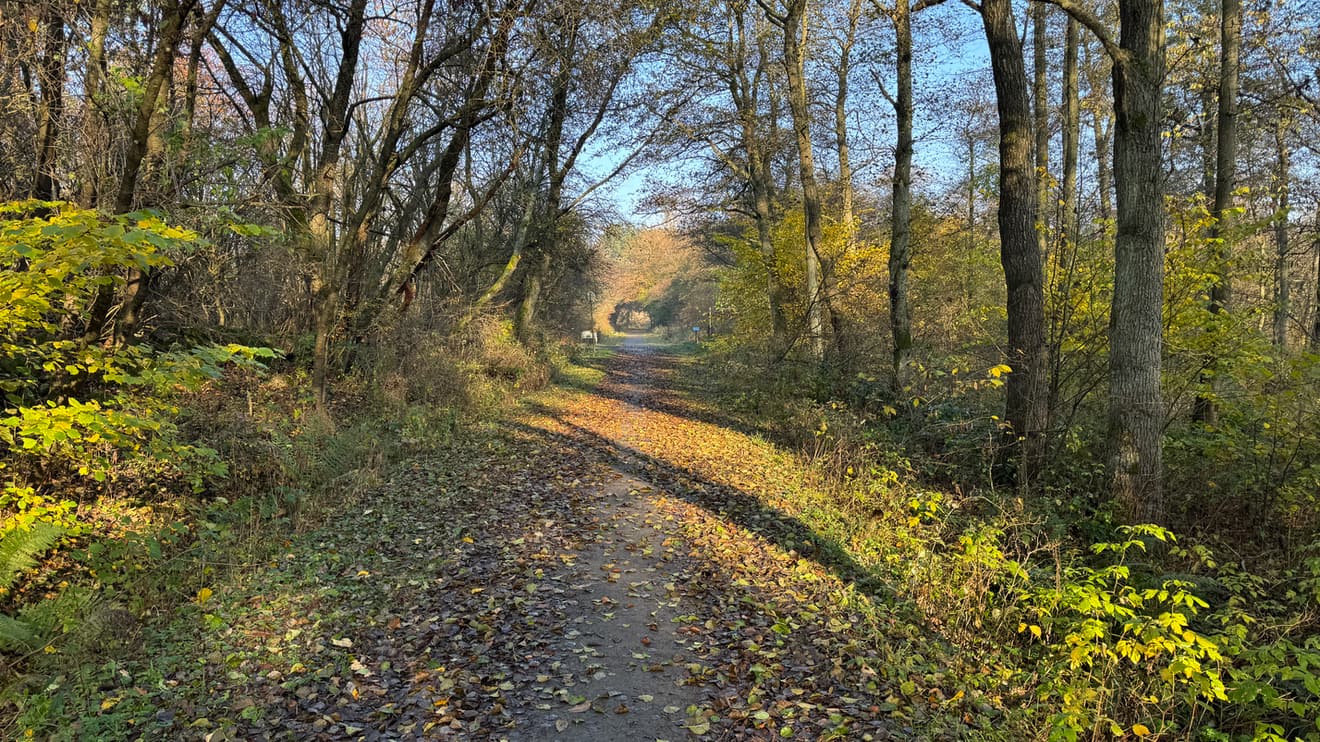
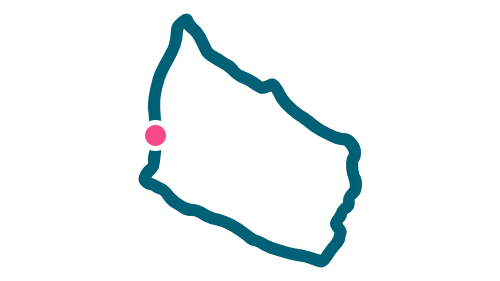
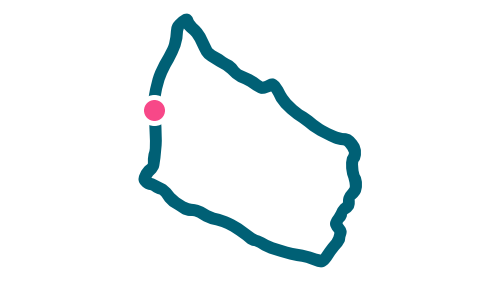
A walking route of approximately 1.5–1.8 km runs around Rutsker Højlyng, leading through the area and showcasing parts of the remaining heather moorland. The terrain is relatively flat with a few minor inclines, and the route is not officially waymarked.
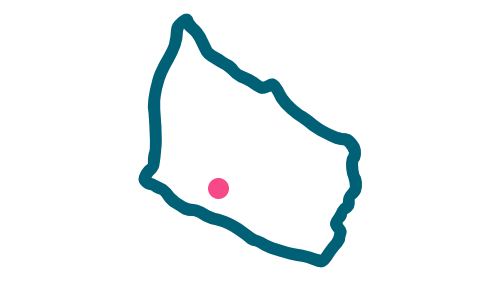
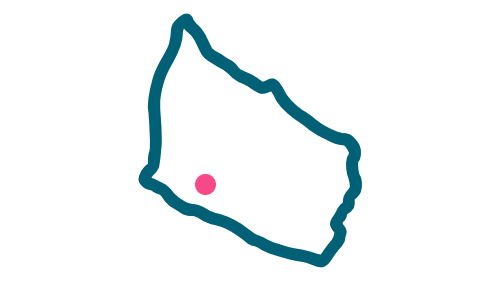
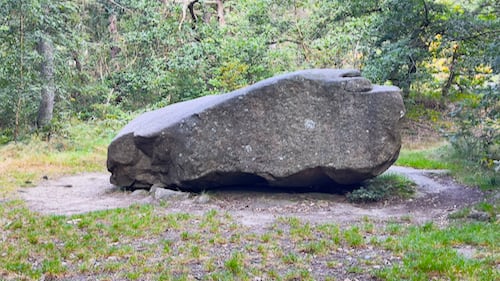
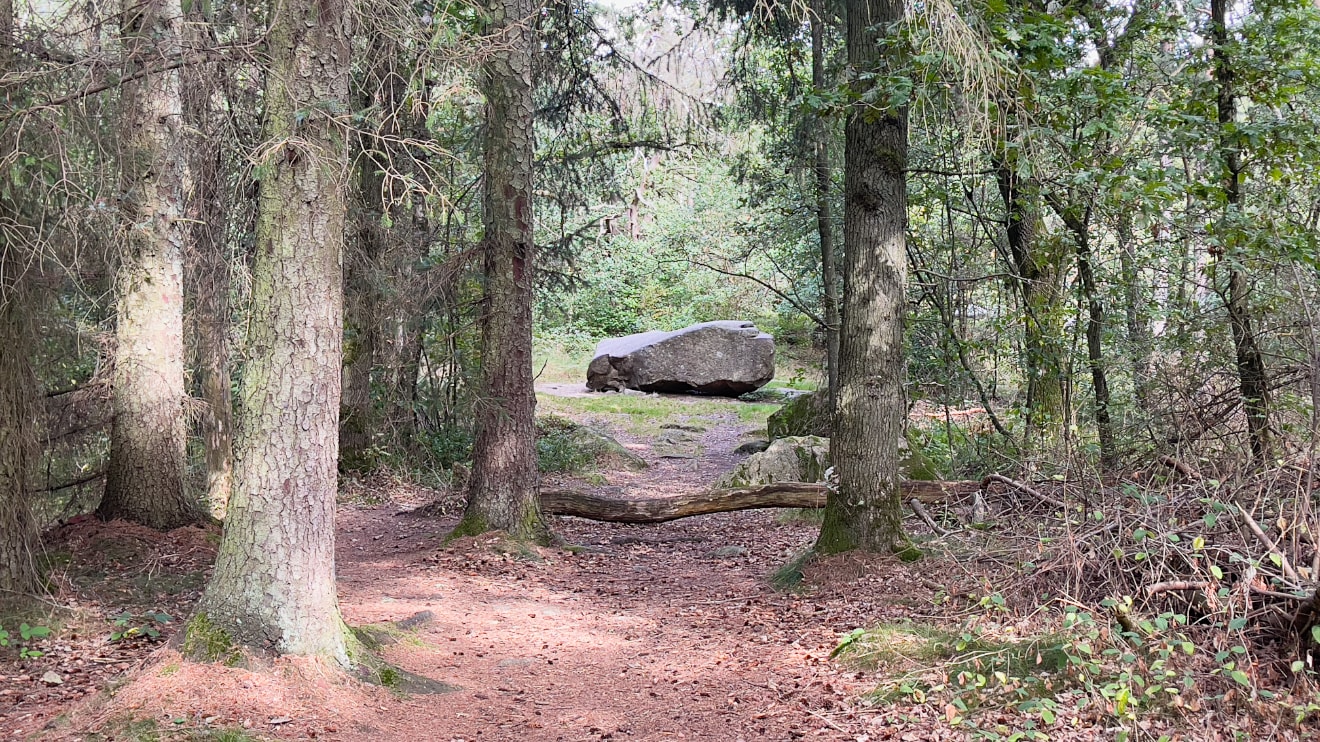
Within Rutsker Højlyng lies Rokkestenen, which is the middle one of Bornholm’s three well-known rocking stones. Rokkestenen is one of the larger erratic boulders in the area and weighs around 20 tonnes. The stone is an example of a glacial erratic and is regarded as the most well-known erratic boulder in the heather moorland.

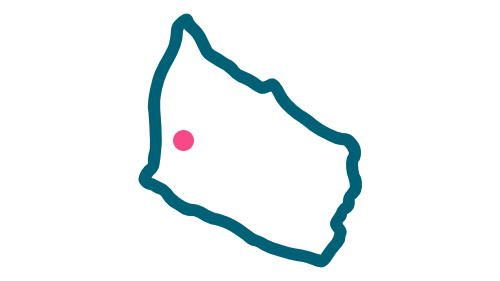
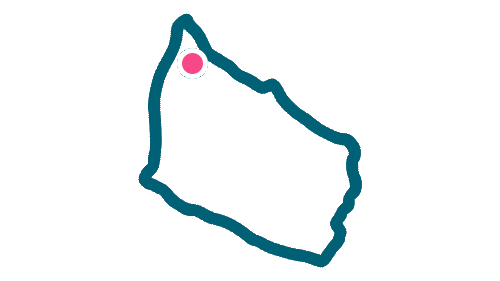
Rutsker Højlyng and the surrounding area also contain both geological and cultural-historical features, including erratic boulders and burial mounds, which bear witness to the landscape’s development and use over time.
Rutsker Højlyng is a natural area in northern Bornholm that primarily consists of woodland and heather moorland. The area is located in the north-western part of the island and is one of the places on Bornholm where remnants of the formerly widespread heather moorland can still be seen, which was once used for sheep grazing. Rutsker Højlyng is regarded as a characteristic natural area that has historically been shaped by the natural growth of heather and its use as common grazing land.

A walking route of approximately 1.5–1.8 km runs around Rutsker Højlyng, leading through the area and showcasing parts of the remaining heather moorland. The terrain is relatively flat with a few minor inclines, and the route is not officially waymarked.

Within Rutsker Højlyng lies Rokkestenen, which is the middle one of Bornholm’s three well-known rocking stones. Rokkestenen is one of the larger erratic boulders in the area and weighs around 20 tonnes. The stone is an example of a glacial erratic and is regarded as the most well-known erratic boulder in the heather moorland.

Rutsker Højlyng and the surrounding area also contain both geological and cultural-historical features, including erratic boulders and burial mounds, which bear witness to the landscape’s development and use over time.
Rutsker Højlyng is a natural area in northern Bornholm that primarily consists of woodland and heather moorland. The area is located in the north-western part of the island and is one of the places on Bornholm where remnants of the formerly widespread heather moorland can still be seen, which was once used for sheep grazing. Rutsker Højlyng is regarded as a characteristic natural area that has historically been shaped by the natural growth of heather and its use as common grazing land.

A walking route of approximately 1.5–1.8 km runs around Rutsker Højlyng, leading through the area and showcasing parts of the remaining heather moorland. The terrain is relatively flat with a few minor inclines, and the route is not officially waymarked.

Within Rutsker Højlyng lies Rokkestenen, which is the middle one of Bornholm’s three well-known rocking stones. Rokkestenen is one of the larger erratic boulders in the area and weighs around 20 tonnes. The stone is an example of a glacial erratic and is regarded as the most well-known erratic boulder in the heather moorland.

Rutsker Højlyng and the surrounding area also contain both geological and cultural-historical features, including erratic boulders and burial mounds, which bear witness to the landscape’s development and use over time.
Rutsker Højlyng

Explore points of interest